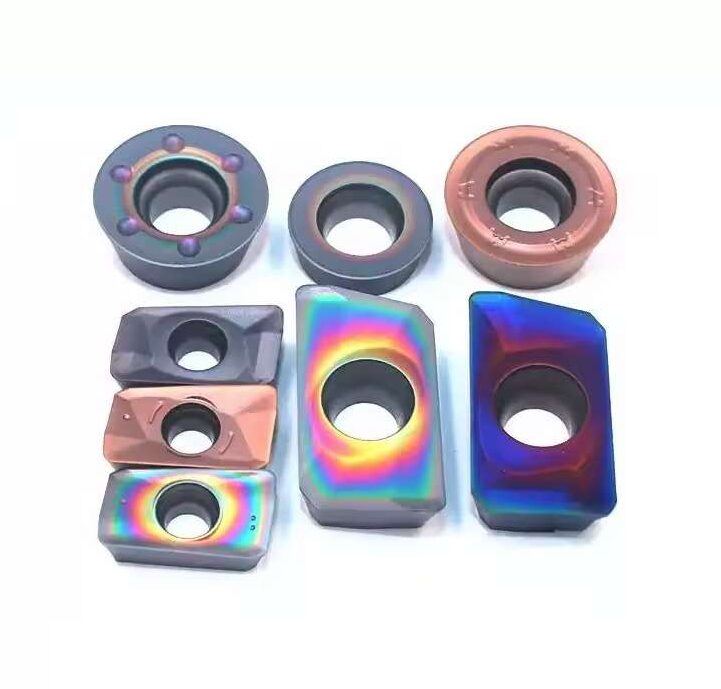
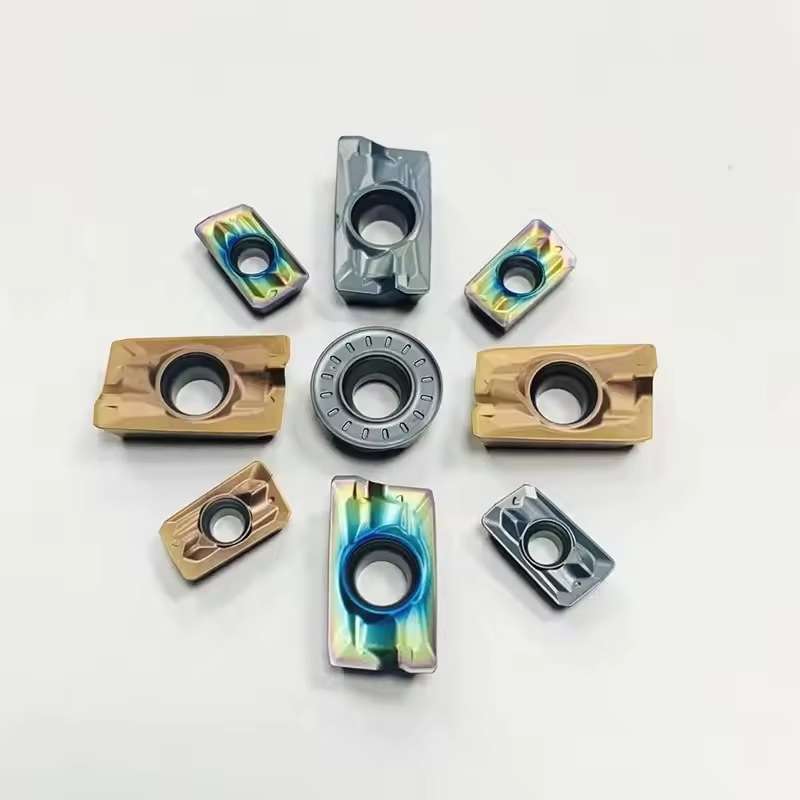

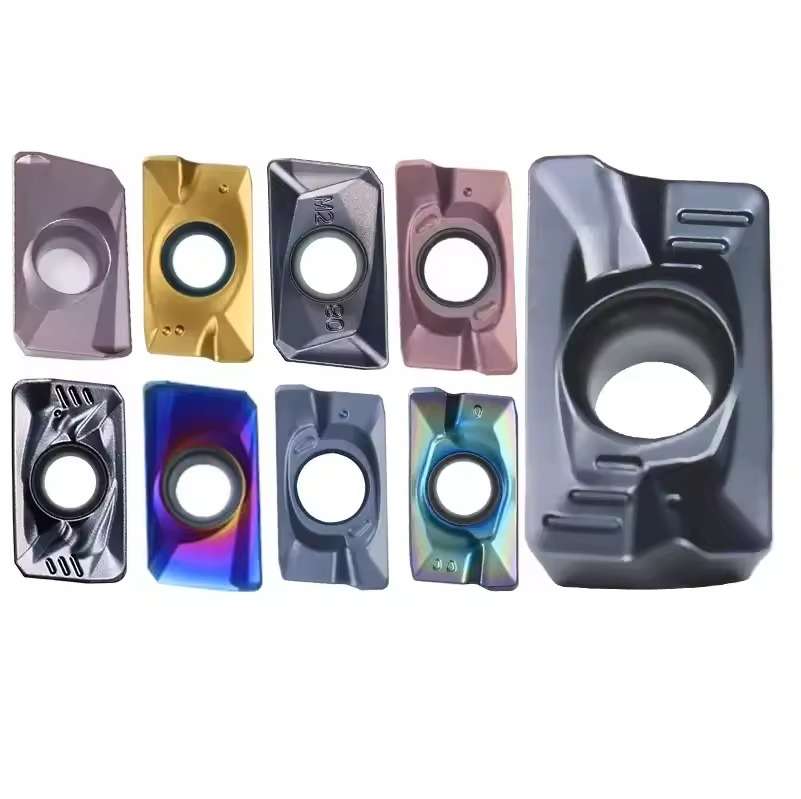


Mảnh dao phay hợp kim APMT 1135 không phủ cho thép & Inox
APMT 1135 coated carbide milling inserts feature positive geometry to help reduce cutting resistance in shoulder and face milling. Grade, coating and chipbreaker options support steel and stainless steel machining, with bulk supply and private-label packaging available.
Hình học tích cực
Wear-Resistant Coat
Thép không gỉ
Bao bì OEM
◆Tổng quan về sản phẩm
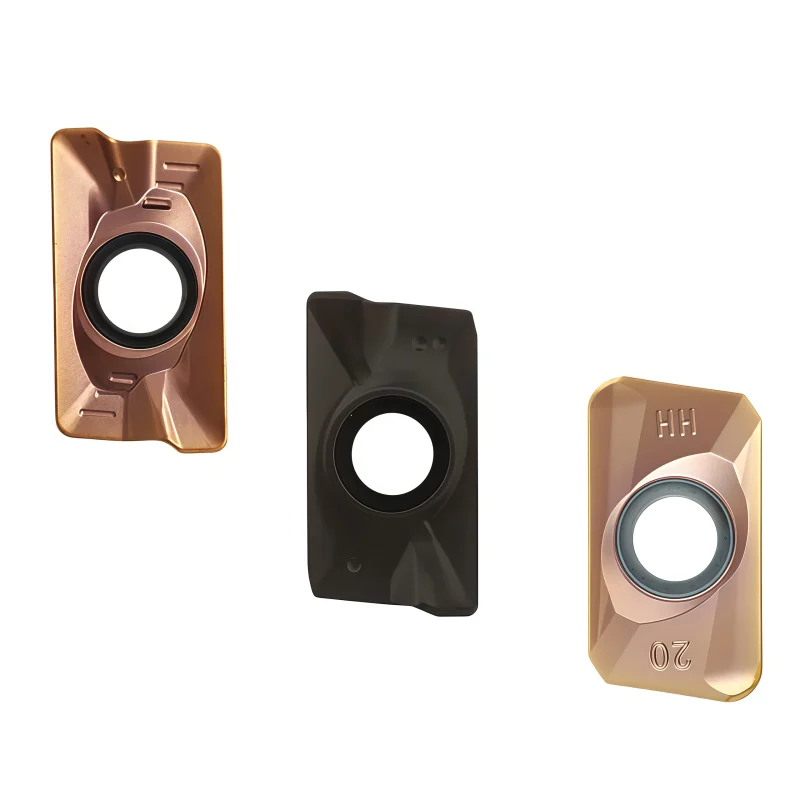
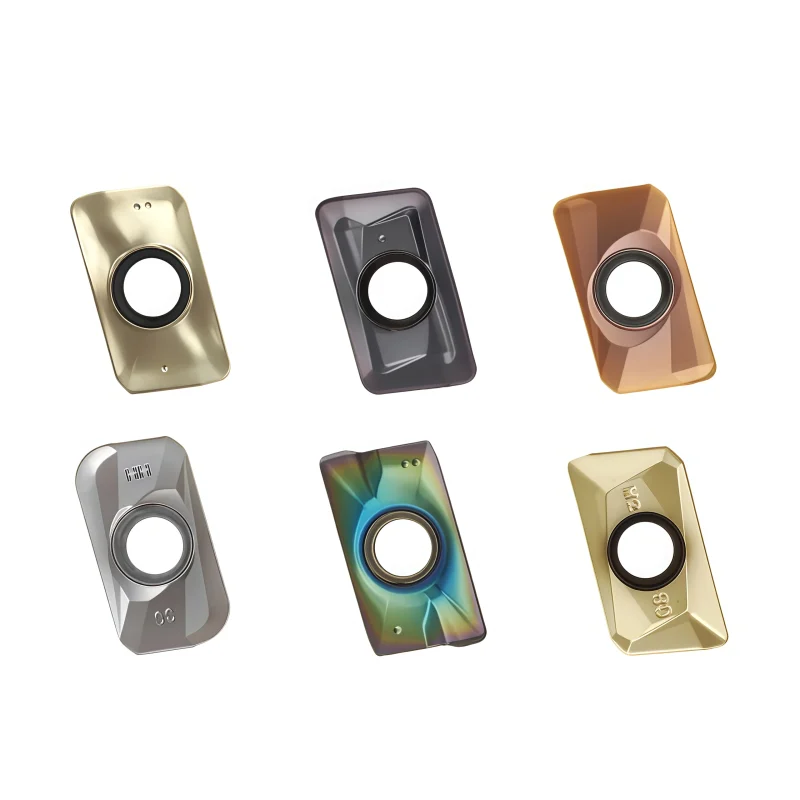
Cái APMT 1135 Coated Carbide Milling Insert is a positive-relief indexable insert developed for shoulder milling, face milling, slotting, side milling, and profile machining with compatible APMT cutter bodies. Its coated carbide substrate is selected to balance cutting-edge strength, wear resistance, and heat control when machining steel and stainless steel.
Because steel and stainless steel generate different cutting conditions, the correct substrate, coating, edge preparation, and chipbreaker should be chosen for the actual material and operation. For a combined size comparison, see the APMT1604 / APMT1135 R0.8 milling insert series.
Coated Carbide
Thép & Thép không gỉ
Indexable Milling

◆Understanding the APMT 1135 Designation
APMT 1135 identifies the basic insert family and size, but it does not fully define the cutting application. The suffix, chipbreaker, corner preparation, tolerance, coating, and carbide grade must also match the cutter pocket and workpiece.
Insert Shape Family
The first character identifies the standardized insert-shape family used by the compatible cutter pocket.
Positive Relief
Positive clearance helps the cutting edge enter the workpiece with lower rubbing and cutting pressure.
Tolerance & Type
These characters relate to dimensional tolerance and insert construction; the matching pocket remains essential.
Size Family
The numeric portion identifies the nominal insert-size family. Confirm actual dimensions from the supplier drawing.
◆Insert Series & Geometry Reference

Use the product image together with the full model code and cutter-pocket drawing when checking compatibility.
◆Why Coated Carbide for Milling?
Protect the Cutting Edge
A correctly selected coating helps resist flank wear and abrasive contact during repeated production milling.
Maintain Edge Stability
Coating and substrate work together to maintain hardness and reduce thermal damage at the cutting zone.
Support Repeatable Production
Stable edge condition improves dimensional consistency and helps reduce unplanned insert changes across a batch.


◆Steel vs. Stainless Steel Selection
One insert grade should not automatically be treated as equally suitable for every ferrous material. Steel prioritizes wear resistance and edge strength, while stainless steel requires sharp cutting action, controlled heat, and reliable chip evacuation.
| Điểm lựa chọn | Thép | Thép không gỉ |
|---|---|---|
| Primary Concern | Khả năng chống mài mòn và độ bền cạnh | Heat, adhesion, and work hardening |
| Chuẩn bị mép | Balanced or reinforced edge according to load | Sharper positive edge with sufficient toughness |
| Chipbreaker | Selected for roughing, medium cutting, or finishing | Designed to shear cleanly and control long, tough chips |
| Coating / Grade | Wear-oriented selection based on cutting speed and interruption | Tough, low-friction, heat-resistant selection for the alloy |
| Programming Focus | Stable engagement and appropriate chip load | Avoid rubbing, dwell, and repeated passes that work-harden the surface |
For additional process guidance, read
how to prevent tool burning when machining stainless steel.
◆Các thao tác phay được khuyến nghị


◆Compatibility Checklist Before Ordering
If the existing tool uses another insert family, compare the broader
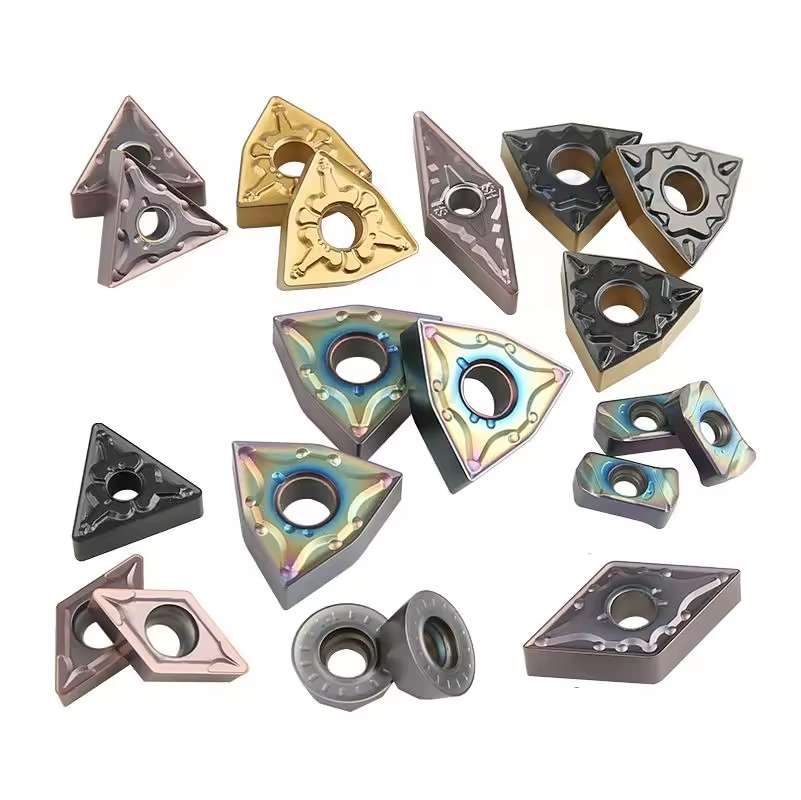
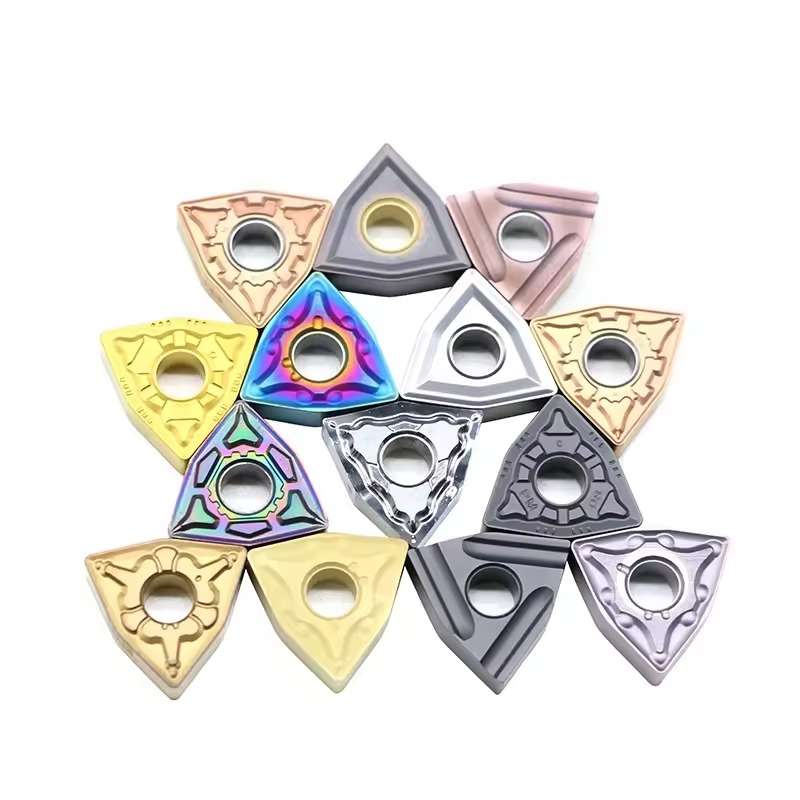
CNC turning and milling carbide insert range
before requesting an equivalent model.
◆Additional Product Details


◆Common Milling Problems & Checks
| Observed Problem | Nguyên nhân có thể | What to Check |
|---|---|---|
| Premature Flank Wear | Speed too high or grade too soft | Verify material group, cutting speed, coating, and coolant strategy |
| Edge Chipping | Impact, vibration, weak edge, or unstable pocket | Check holder runout, cutter screws, machine rigidity, feed, and edge preparation |
| Built-Up Edge | Rubbing, low speed, unsuitable coating, or poor chip flow | Confirm chip load, sharpness, coolant delivery, and material-specific grade |
| Long or Recut Chips | Incorrect chipbreaker or insufficient evacuation | Review chipbreaker, engagement, coolant direction, and cutter flute space |
| Chất lượng bề mặt kém | Runout, worn edge, unstable setup, or incorrect feed | Inspect every insert seat, edge height, holder condition, and finishing allowance |
◆Related Inserts & Technical Resources
APMT1604 / APMT1135 R0.8 Inserts
Compare two common APMT size families for steel, stainless steel, and cast-iron milling.
LNMU / ENMU / BLMP Inserts
Consider double-sided high-feed geometry when productivity and shallow axial engagement are the main priorities.
Carbide Insert Types Explained
Review insert shapes, clearance styles, ISO workpiece groups, chipbreakers, and common selection mistakes.
CNC Turning & Milling Inserts
Browse APMT, CNMG, DNMG, SNMG, TNMG, VNMG, and WNMG carbide insert families.
Send the Complete Insert Code for Compatibility Checking
Provide the cutter-body model, complete insert designation, current grade or box label, workpiece material and hardness, machining operation, cutting depth, coolant method, machine condition, and order quantity. The correct APMT1135 chipbreaker, carbide grade, coating, and edge preparation can then be evaluated.
◆Thông số kỹ thuật & Bảng kích thước
APMT 1135 identifies the insert body family and size, while the full suffix and carbide grade identify the supplied cutting configuration. In the supplied APMT series chart, the H2, M2 and PM rows for APMT 1135 share the dimensions below. Values are in millimeters; confirm pocket fit and the actual coated grade from the complete ordered code.
| Model Reference | Suffix Shown | Length l | Width d | Thickness t | Corner R |
|---|---|---|---|---|---|
| APMT 1135–H2 | H2 | 11 mm | 6.35 mm | 3.5 mm | 0,8 mm |
| APMT 1135–M2 | M2 | 11 mm | 6.35 mm | 3.5 mm | 0,8 mm |
| APMT 1135–PM | PM | 11 mm | 6.35 mm | 3.5 mm | 0,8 mm |
◆APMT 1135 Designation
| Code | Meaning / Selection Check |
|---|---|
| A | 85° parallelogram insert shape. |
| P | 11° nominal clearance angle; positive-relief insert body. |
| M | Tolerance-class designation; use the supplier drawing for actual tolerances. |
| T | Insert hole / construction code; verify the hole and clamping form against the cutter pocket. |
| 1135 | Nominal size family; use the dimensions above for the listed variants. |
| Suffix + grade | Chipbreaker, cutting-edge preparation, coating and substrate require the complete supplier order code. “M2” as a variant suffix does not mean M2 high-speed steel. |
◆Material & Milling Application
| Selection Field | Các chi tiết cần xác nhận |
|---|---|
| Steel · ISO P | State the exact carbon/alloy steel grade, hardness, scale and interrupted-cut conditions; select the suitable carbide grade and edge strength. |
| Stainless steel · ISO M | State the exact grade, such as 304 or 316, condition and coolant plan; check sharpness, adhesion control, heat resistance and chip evacuation. |
| Coating / grade | Coated carbide is the stated product type. Confirm the actual grade and coating system for the full insert code; no single coating is specified by “APMT 1135.” |
| Shoulder / face milling | Use a compatible cutter body; check pocket seat, insert projection, cutter diameter and recommended engagement. |
| Slot / ramp / helix | Only when the specific cutter body permits the operation; confirm slot depth, ramp angle, chip clearance and coolant access. |
◆Cách chọn miếng lót
◆Dữ liệu bắt đầu cắt
Obtain Vc, fz, axial depth (ap) and radial width (ae) from the supplier's recommendation for the complete grade and cutter body. Steel and stainless steel require separate starting settings. The insert-size code and photos alone do not provide validated cutting parameters.
◆Related Series & Resources
For a second insert-size family, compare the APMT 1135 / APMT 1604 R0.8 series. Our Hướng dẫn về các loại miếng chèn cacbua explains insert-family selection.
Send the full insert and cutter-body codes to confirm grade, coating, fit and availability.
◆Tùy chỉnh miếng chèn cacbua & OEM
Hãy chỉ định loại lưỡi dao phù hợp với quy trình gia công, phôi và giá kẹp. Chúng tôi có thể xem xét các lựa chọn thay thế tiêu chuẩn, hình dạng lưỡi dao dành riêng cho ứng dụng cụ thể cũng như các yêu cầu về nhãn hiệu riêng dựa trên mã định danh lưỡi dao, bản vẽ hoặc mẫu của quý khách. Các loại vật liệu, lớp phủ, kích thước và số lượng đặt hàng có sẵn sẽ được xác nhận cho từng dòng sản phẩm được yêu cầu.
Hình học và kiểm soát chip
Kiểm tra bộ phá phoi, góc nghiêng, cách chuẩn bị mép cắt, bán kính đầu mũi và thiết kế góc cho quy trình gia công và chi tiết gia công. Xác nhận tính tương thích của giá đỡ trước khi phê duyệt hình học đã được điều chỉnh.
Chất nền và lớp phủ
Chọn loại hợp kim cacbua và lớp phủ phù hợp với vật liệu phôi, điều kiện gia công cũng như sự cân bằng mong muốn giữa khả năng chống mài mòn và độ dẻo dai của mép cắt.
Kích thước & OEM
Kiểm tra kích thước, độ dày, các đặc tính định vị và kẹp, dung sai, khắc laser và bao bì mang nhãn hiệu riêng so với thông số kỹ thuật đã được phê duyệt.
◆Các tùy chọn tùy chỉnh
Vui lòng điền vào các trường dưới đây khi gửi yêu cầu. Các tùy chọn cụ thể tùy thuộc vào dòng sản phẩm và sẽ được xác nhận trong báo giá hoặc bản vẽ đã được phê duyệt.
| Thông số kỹ thuật | Các chi tiết cần xác nhận |
|---|---|
| Loại chèn | Miếng dao dùng cho các công đoạn tiện, phay, tạo ren, tạo rãnh hoặc khoan; vui lòng gửi mã sản phẩm hoặc bản vẽ. |
| Kích thước & Cách chọn size | Hình dạng, kích thước, độ dày, đường kính vòng tròn nội tiếp hoặc chiều dài cạnh, hình dạng lỗ hoặc hình dạng kẹp, và mẫu giá đỡ. |
| Hình học cắt | Bộ phá phoi, bán kính đầu mũi hoặc góc, xử lý mép cắt, hướng cắt và hình dạng phù hợp với ứng dụng cụ thể. |
| Loại & Lớp phủ | Nhóm và cấp độ phôi, nền cacbua, hệ thống lớp phủ và điều kiện gia công ướt hoặc khô. |
| Dung sai và kiểm tra | Các kích thước quan trọng, yêu cầu về hình dạng, phương pháp kiểm tra và bất kỳ báo cáo nào cần thiết. |
| Bài thuyết trình về OEM | Ghi chú trên nhãn hoặc trên hộp, nội dung nhãn, dạng bao bì và số lượng trong mỗi gói. |
◆Cách yêu cầu một miếng lót tùy chỉnh

Vui lòng gửi yêu cầu về tờ rơi của quý vị qua biểu mẫu liên hệ hoặc xem lại Dịch vụ OEM và nhãn hiệu riêng.
◆Kiểm soát chất lượng miếng chèn cacbua

Chất lượng miếng lót phụ thuộc vào cấp độ được phê duyệt, hình dạng, lớp phủ và thông số kỹ thuật kích thước. Chúng tôi sẽ rà soát các yêu cầu tại thời điểm xác nhận đơn hàng và điều chỉnh phạm vi kiểm tra sao cho phù hợp với dòng sản phẩm miếng lót cũng như bất kỳ bản vẽ nào của khách hàng. Vui lòng cung cấp các kích thước quan trọng hoặc yêu cầu về tài liệu trước khi sản xuất để chúng có thể được đưa vào kế hoạch kiểm tra đã thỏa thuận.
01 · Nguyên liệu nhập kho
Kiểm tra xem loại cacbua hoặc tài liệu về vật liệu đã chỉ định có phù hợp với các yêu cầu trong đơn đặt hàng hay không.
02 · Kiểm tra trong quá trình sản xuất
Kiểm tra các kích thước và tính năng tiên tiến trong quá trình sản xuất để đảm bảo tuân thủ theo thông số kỹ thuật đã được phê duyệt.
03 · Kiểm tra cuối cùng
Kiểm tra kích thước đã thỏa thuận, hình thức bên ngoài, tình trạng mép, loại lớp phủ và các ký hiệu (nếu có).
04 · Kiểm tra việc đóng gói
Kiểm tra mã hàng, số lượng, nhãn mác và bao bì bảo vệ để đảm bảo chúng phù hợp với đơn đặt hàng đã được phê duyệt.
◆Kiểm tra và Lập hồ sơ
Cần thống nhất các điểm kiểm tra và tiêu chí nghiệm thu đối với lô hàng đã đặt. Đối với các chi tiết lắp ghép theo yêu cầu, bản vẽ đã được phê duyệt có giá trị ưu tiên hơn so với mô tả chung trong catalogue.
| Kiểm tra khu vực | Những điều cần xác nhận |
|---|---|
| Kích thước & Cách mặc | Nhập kích thước, độ dày, bán kính góc, các đặc điểm kẹp và mọi dung sai trên bản vẽ. |
| Hình học cắt | Bộ phá phoi, xử lý cạnh, các góc có thể sử dụng và hình dạng (nếu có). |
| Loại & Lớp phủ | Loại và ký hiệu lớp phủ đã được phê duyệt; bất kỳ phương pháp xác minh nào được yêu cầu. |
| Hình thức & Đóng gói | Các hư hỏng bên ngoài có thể nhìn thấy, dấu hiệu nhận biết, mã sản phẩm, số lượng và hình thức đóng gói. |
| Các hồ sơ được yêu cầu | Báo cáo kiểm tra, tài liệu về vật liệu hoặc lớp phủ, giấy chấp thuận mẫu hoặc thông tin nhận dạng lô hàng (nếu đã thỏa thuận). |
◆Đặt hàng & Giao hàng
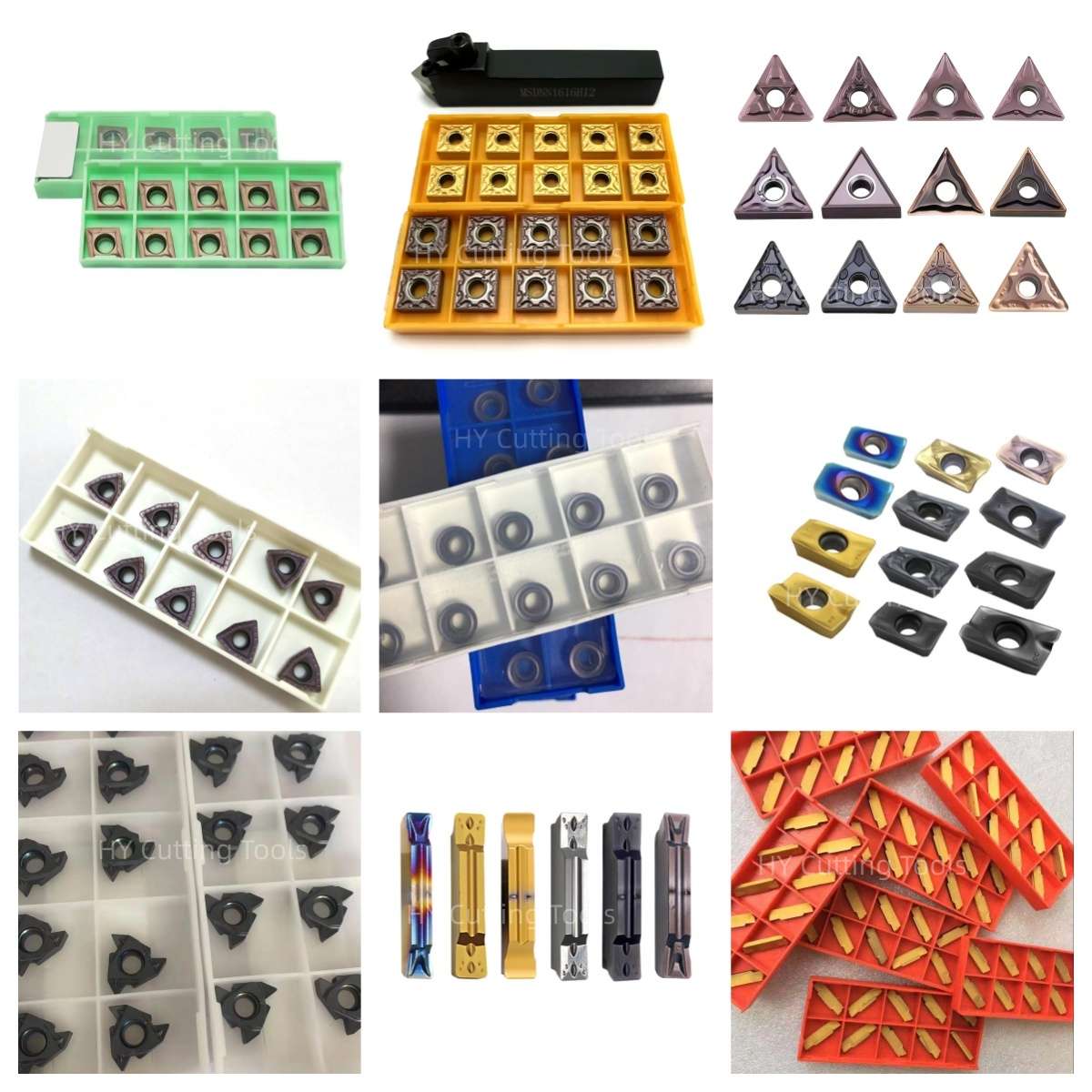

Vui lòng cung cấp danh sách chi tiết theo từng dòng về mã sản phẩm và số lượng cho báo giá gồm các kích thước khác nhau. Tình trạng hàng tồn kho, số lượng đặt hàng tối thiểu, yêu cầu về mẫu và thời gian sản xuất đã được xác nhận cho từng loại chất liệu, lớp phủ và cấu hình.
Vui lòng gửi danh sách sản phẩm và các yêu cầu về chất lượng qua biểu mẫu liên hệ để biết thông tin chi tiết về sản phẩm, tình trạng hàng và xác nhận giao hàng.
◆Câu hỏi thường gặp về sản phẩm
What does APMT 1135 identify?
APMT identifies an 85° parallelogram insert with 11° nominal clearance, M tolerance class and T construction/hole code. The 1135 portion identifies the size family. It does not specify a unique carbide grade, coating, chipbreaker or finished cutting edge; order by the full designation.
What dimensions are listed for APMT 1135?
The supplied series chart lists l = 11 mm, d = 6.35 mm, t = 3.5 mm and R = 0.8 mm for its APMT 1135 H2, M2 and PM rows. These are chart references; confirm the hole, tolerances and seating details using the specific product drawing.
Can the same coated insert mill steel and stainless steel?
Some coated grades may cover both ISO P steel and ISO M stainless steel, but the suitable grade, edge preparation and parameters must be verified for each workpiece. Specify the actual alloy, hardness, cutter body, coolant and operation when requesting a recommendation.
Do H2, M2 and PM indicate different steel grades?
They are model-variant suffixes shown in the reference chart. Their precise geometry and application range depend on the supplier's full designation. “M2” here is not a declaration that the carbide insert is made from M2 high-speed steel.
Is APMT 1135 suitable for slotting and ramping?
Shoulder and face milling are common uses with a compatible cutter. Slotting, ramping or helical entry require the cutter maker's approval and limits for axial depth, ramp angle and chip clearance. The insert designation alone cannot establish these capabilities.
How should I select cutting speed and feed?
Request grade-specific Vc and feed per tooth for the exact steel or stainless-steel grade, cutter diameter, tooth count and engagement. Start within that published range, then check chip formation, wear, chatter and surface finish during a trial cut.
◆Câu hỏi thường gặp về đặt hàng và OEM
Will any APMT 1135 insert fit my milling cutter?
Match the complete insert code against the cutter's approved insert list. Check the pocket, seating surface, screw, hole form, corner radius, cutting hand and chipbreaker. A shared APMT 1135 size name alone does not prove fit.
What should I send for an equivalent-insert request?
Provide the existing manufacturer's complete insert code and grade, box-label photos, front and back insert photos, cutter-body code, workpiece grade, cutting conditions, current wear problem and required quantity. Compare fit and cutting results with a sample before repeat purchasing.
Can I combine grades or chipbreakers in one order?
Send a line-by-line list with each complete insert code and quantity. Mixed-model availability, minimum quantity, pack count and lead time are confirmed per item rather than assumed from the APMT 1135 family name.
Are custom marking and private-label packaging available?
Send the requested insert or box marking, label artwork, packaging format and expected quantity. Confirm the approved insert specification and quotation before production or a repeat order.
◆Hướng dẫn và Tài liệu tham khảo kỹ thuật
Hãy sử dụng dịch vụ của chúng tôi Hướng dẫn về các loại miếng chèn cacbua for insert-code and material-group selection. For stainless-steel process issues, see our stainless-steel machining guide.
For the specific coated grade, drawing and quotation, send the full insert and cutter-body codes.
Bạn cần biết thông tin về kích cỡ, giá cả hoặc các tùy chọn đặt hàng theo yêu cầu?
Vui lòng gửi thông số kỹ thuật và số lượng để nhận báo giá.
- Kích thước tiêu chuẩn
- Các lệnh xét xử sơ thẩm nhỏ
- Các kích cỡ khác nhau
- OEM & Dụng cụ theo yêu cầu
Xem mã QR – Liên hệ bộ phận bán hàng qua WeChat

Quét mã để liên hệ với chúng tôi trên WeChat.
Quét mã để liên hệ với chúng tôi trên WeChat.