
Carbide End Mill Speeds and Feeds: 7 Essential Formula Tips for Better CNC Results
Carbide end mill speeds and feeds are the foundation of successful CNC milling, especially when machining metals like steel, stainless steel, aluminum, cast iron, and titanium. Using incorrect speeds and feeds leads to premature tool wear, poor surface finish, chatter, excessive heat, and low productivity. This guide explains how to calculate carbide end mill speeds and feeds using simple formulas, recommended cutting parameters, and practical tips that help machinists optimize performance and tool life.
1️⃣ What Are Carbide End Mill Speeds and Feeds?
Carbide end mill speeds and feeds refer to two critical cutting parameters:
✅ Speed (Vc) – cutting speed measured in meters per minute (m/min) or surface feet per minute (SFM)
✅ Feed (Fz) – feed per tooth measured in mm/tooth or inch/tooth
Together, they determine spindle rpm and feed rate, which are essential for consistent machining.
2️⃣ How to Calculate Carbide End Mill Speeds and Feeds
The standard formulas for carbide end mill speeds and feeds are:
- Cutting Speed to RPM Formula
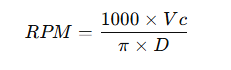
- Feed Rate Formula

Where:
D = tool diameter
Z = number of flutes
These formulas help ensure carbide end mill speeds and feeds match tool size, material hardness, and machine capability.
3️⃣ Recommended Cutting Speeds for Carbide End Mills
Typical cutting speeds (Vc) for carbide tools:
| Material | Cutting Speed (m/min) |
|---|---|
| Aluminum | 250–600 |
| Mild Steel | 120–180 |
| Stainless Steel | 80–140 |
| Cast Iron | 100–160 |
| Titanium | 50–90 |
Using proper carbide end mill speeds and feeds based on material prevents overheating and edge breakdown.
4️⃣ Factors That Affect Carbide End Mill Speeds and Feeds
Key considerations include:
✅ Tool diameter
✅ Coating (TiAlN, AlTiN, DLC)
✅ Flute number
✅ Machine rigidity
✅ Coolant delivery
✅ Depth of cut (axial & radial)
Smaller tools need higher RPM but lower feed per tooth. DLC-coated aluminum end mills perform best at high speeds with aggressive chip evacuation.
Need a Starting Speed & Feed Recommendation for Your End Mill?
Send us your machining details and get a quick suggestion.
5️⃣ Practical Tips to Improve Speeds and Feeds
- Start at 80% of calculated values
- Listen for chatter and adjust feed first
- Reduce radial engagement for hard materials
- Increase flute count only when chips clear properly
- Use rigid tool holders to improve stability
These adjustments help fine-tune carbide end mill speeds and feeds in real machining environments.
6️⃣ When to Increase or Decrease Carbide End Mill Speeds and Feeds
Increase feeds if:
✅ chips are too fine
✅ tool rubs instead of cuts
Decrease feeds if:
❌ machine vibrates
❌ surface finish deteriorates
Increase speeds if:
✅ aluminum machining with sharp edges
Decrease speeds if:
❌ stainless steel heat buildup occurs
7️⃣ Downloadable Parameters and Tool Selection Help
If you tell us your:
✅ workpiece material
✅ tool diameter
✅ flute number
✅ machine type
—we will provide recommended carbide end mill speeds and feeds tailored to your application.
Not sure which end mill and parameters fit your job?
Send us your material, hardness, cutter size, and machine type. We’ll suggest a suitable tool and a starting speed/feed range
✅ You May Like:
✅ Stainless steel → HRC45–50 / coated series
✅ Hardened steel → HRC55–70 series
✅ Aluminum End Mills Aluminum End Mill – HY Cutting Tools
Machining reference:
Practical Machinist – Largest Manufacturing Technology Forum on the Web
✅ FAQ:
Q1: How does workpiece material hardness affect carbide end mill speeds and feeds?
A: Harder materials, like stainless steel or titanium, require lower cutting speeds and sometimes smaller feed per tooth to prevent tool wear and overheating. Softer materials like aluminum can be machined at higher speeds with more aggressive feeds. Adjusting speeds and feeds according to hardness improves tool life and surface finish.
Q2: Can tool coating impact the recommended speeds and feeds?
A: Yes. Coatings such as TiAlN, AlTiN, or DLC reduce friction and heat, allowing higher speeds and more efficient cutting. For example, DLC-coated aluminum end mills can run at higher cutting speeds compared to uncoated tools. Always consider coating type when setting carbide end mill speeds and feeds.
Q3: How do flute count and tool geometry influence speeds and feeds?
A: More flutes allow higher feed rates per revolution but may require slower speeds to ensure proper chip evacuation. Tool geometry, like helix angle and corner radius, affects cutting efficiency and stability. Adjusting speeds and feeds according to flute number and geometry prevents chatter and reduces tool breakage.
Q4: What role does spindle rigidity play in selecting speeds and feeds?
A: Machines with less rigid spindles or long overhang tools require reduced feeds and speeds to prevent vibration. Using appropriate tool holders and minimizing tool overhang allows higher carbide end mill speeds and feeds safely.
Q5: How can chip evacuation influence optimal speeds and feeds?
A: Proper chip evacuation prevents heat buildup and re-cutting of chips. For deep slots or high-aspect ratio cuts, feeds may need to be reduced and speeds adjusted. Coolant and air blast can help maintain efficient chip removal, enabling faster and safer cutting.
Q6: Are there calculators or software tools to optimize speeds and feeds?
A: Yes, there are specialized tools like CNC calculator spreadsheets, G-Wizard Calculator, and online references such as CNCCookbook. These help determine optimal carbide end mill speeds and feeds based on tool diameter, material, number of flutes, and machine capabilities.
Q7: How do depth of cut and width of cut affect carbide end mill speeds and feeds?
A: Increasing radial (width of cut) or axial (depth of cut) engagement increases cutting forces. To compensate, reduce feed per tooth or RPM to prevent tool breakage and excessive heat. Shallow cuts allow higher speeds and feeds, improving productivity while maintaining tool life.
Q8: What are common mistakes when setting speeds and feeds for carbide end mills?
A:
- Using the same speeds and feeds for all materials
- Ignoring flute number or tool geometry
- Overlooking machine rigidity or coolant availability
- Excessive depth of cut without adjusting feed
Avoiding these mistakes ensures consistent machining quality and longer tool life.
Q9: How can machinists optimize speeds and feeds for high-volume production?
A: Start with calculated values at 80–90% to ensure stability, monitor for chatter, adjust feed first, and gradually increase speed if conditions allow. Rigid tool holders, proper clamping, and appropriate coolant use maximize carbide end mill speeds and feeds efficiency in high-volume operations.