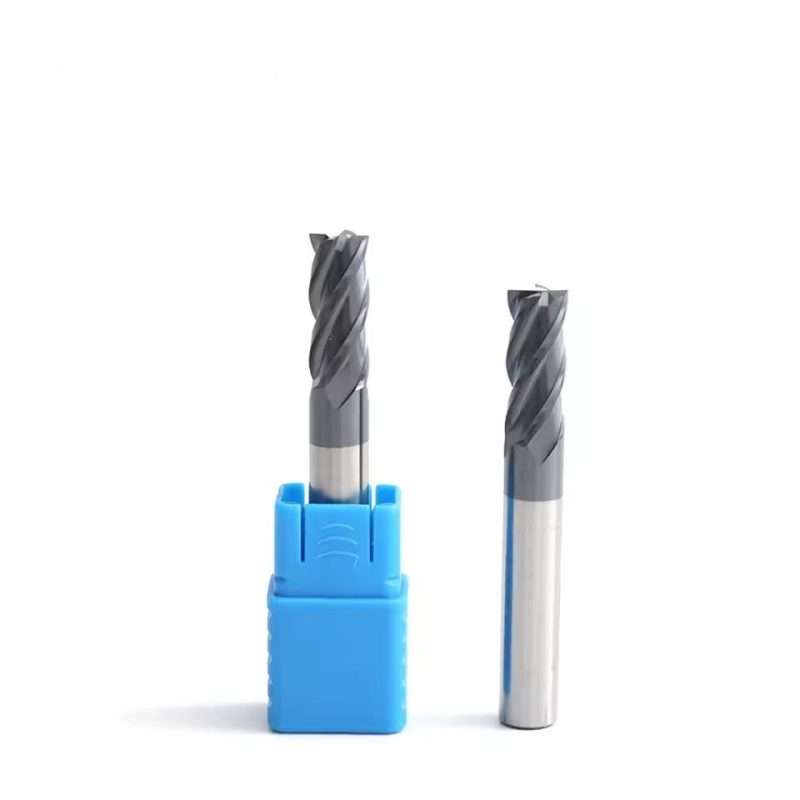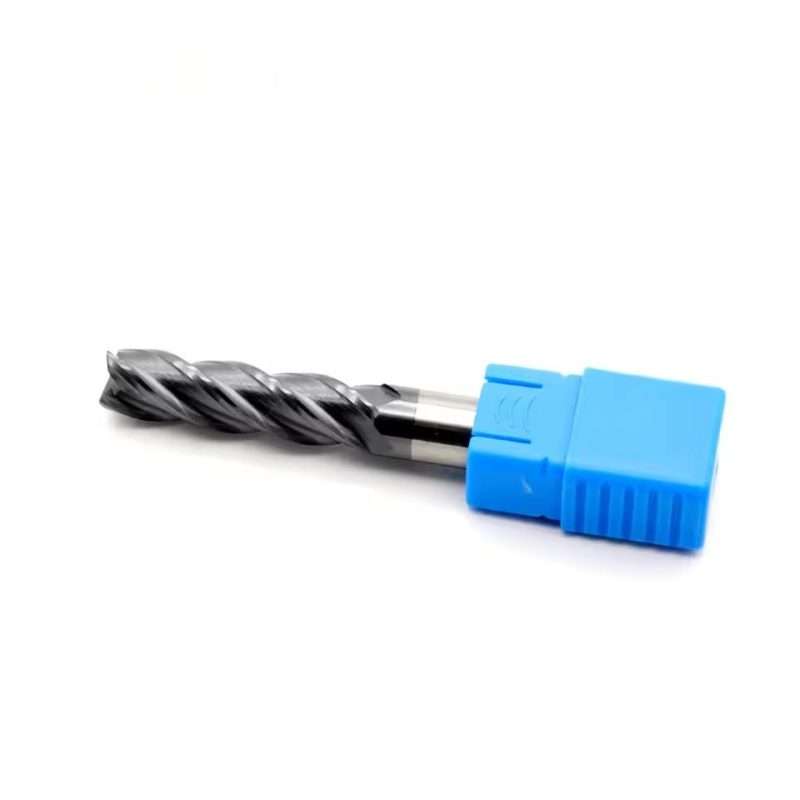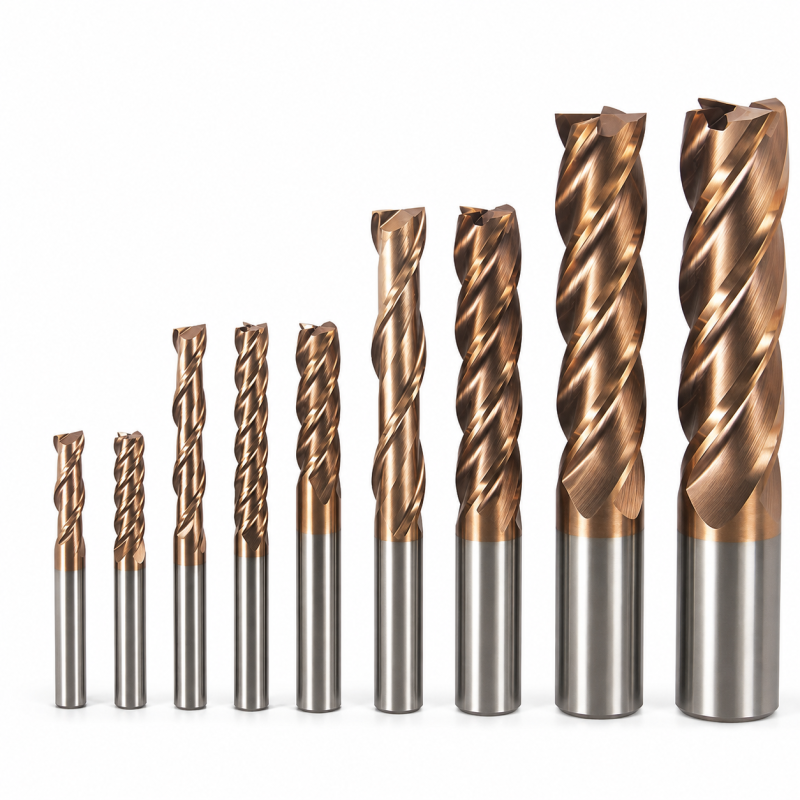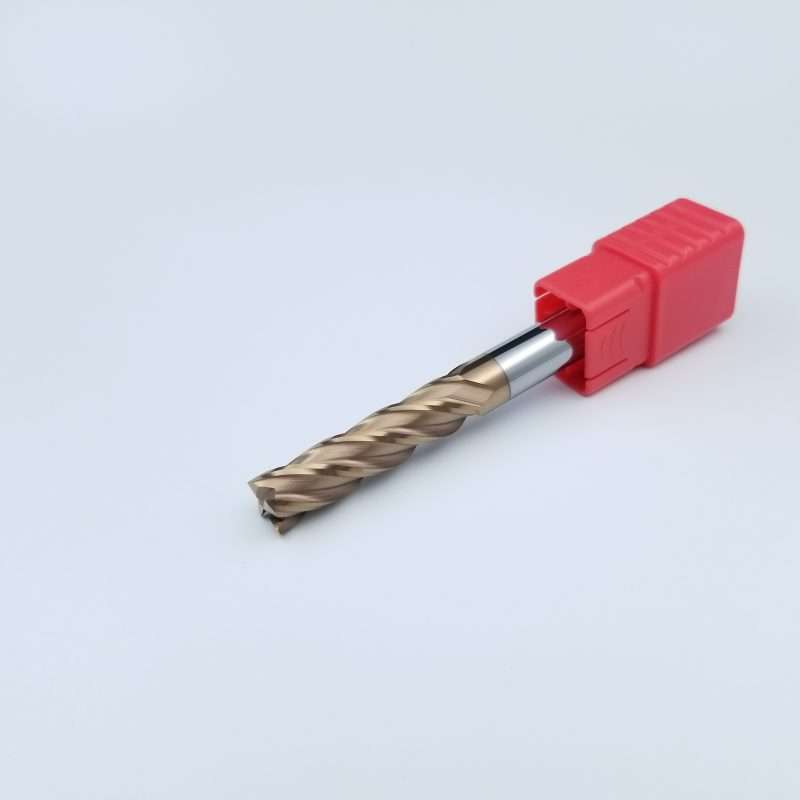

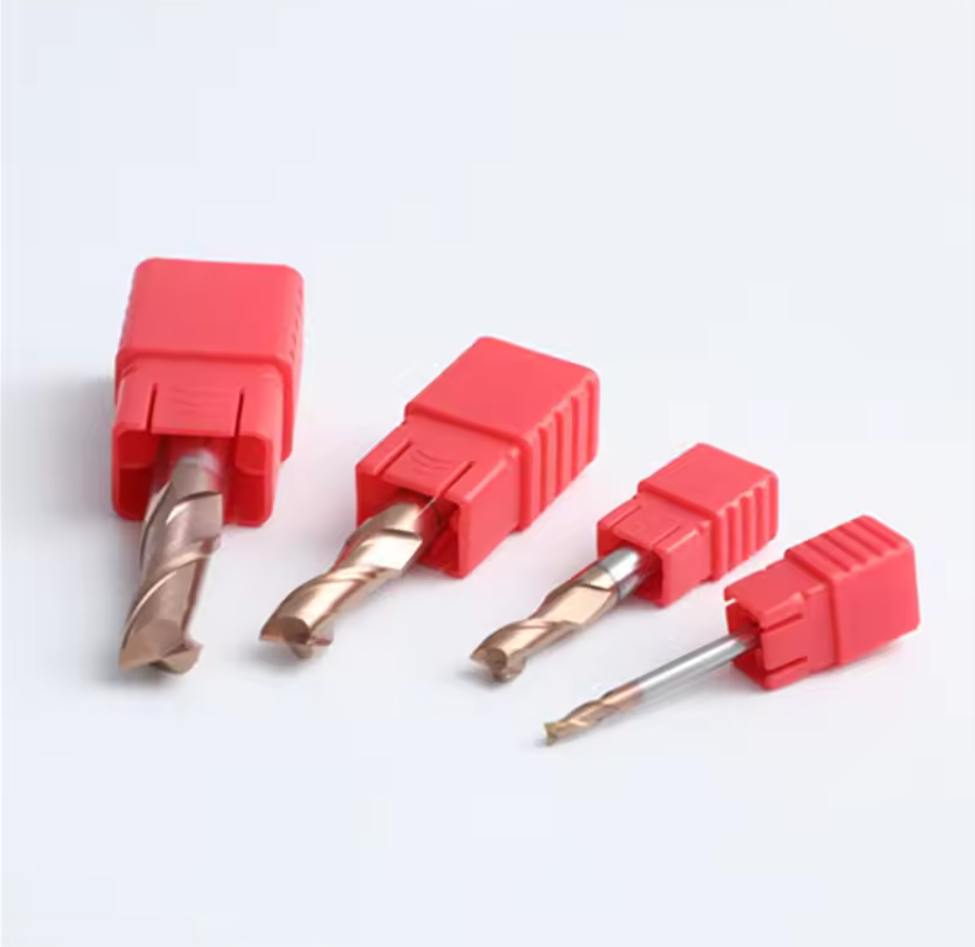
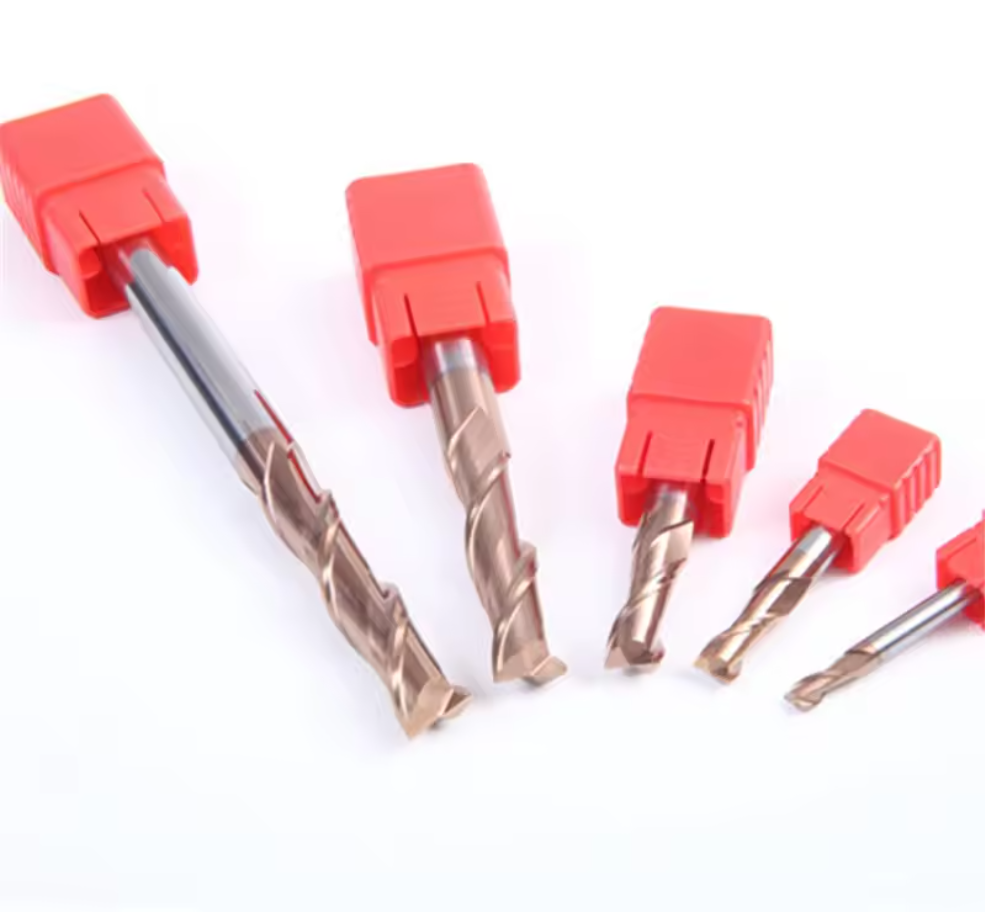


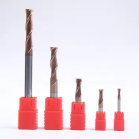
HRC55 2-Flute Solid Carbide Square End Mill for Steel
Consistent Quality
Consistent geometry across repeat orders.
Flexible Orders
Small batches and mixed sizes available.
OEM Support
Custom marking, labels and packaging.
Standard & Custom
Standard sizes and custom configurations.
HRC55 2-Flute Solid Carbide Square End Mill Overview
This HRC55-series 2-flute solid carbide square end mill is designed for slotting, side milling, shoulder milling and selected semi-finishing operations in carbon steel, alloy steel and pre-hardened steel. Its square-end geometry supports flat-bottom features and 90° shoulders, while the two-flute configuration provides generous chip space for full-width slotting and stable chip evacuation. Standard cutting diameters range from Ø1 to Ø20 mm, with AlTiN, TiSiN and application-specific coating options available according to the steel grade and machining conditions.
Key Configuration
Square-End Cutting Profile
Designed for flat-bottom slots, pockets and 90° shoulder features.
Two-Flute Chip Space
Generous flute space supports chip evacuation during slotting and side milling.
Steel-Matched Coating
AlTiN, TiSiN or application-specific coatings can be selected according to steel grade and hardness.
Key Product Advantages
Defined Square Features
The square-end profile supports flat-bottom slots and controlled 90° shoulders.
Efficient Chip Evacuation
Two flutes provide chip space for full-width slotting and side-cutting operations.
Precision-Ground Edges
Controlled cutting edges support stable engagement and consistent surface quality.
Steel-Series Configuration
Carbide, edge preparation and coating are configured for confirmed steel conditions.
Milling Operations
The two-flute square-end geometry supports multiple steel-milling operations. Final cutting conditions should be matched to tool diameter, flute length, workpiece hardness and machine rigidity.
RECOMMENDED
RECOMMENDED
RECOMMENDED
SUITABLE
Workpiece Material Compatibility
| MATERIAL GROUP | EXAMPLES | APPLICATION LEVEL |
|---|---|---|
| P Steel | Carbon steel and low-alloy steel | Primary application |
| P Alloy Steel | Medium-alloy and tool steels | Confirm grade and hardness |
| H Pre-Hardened Steel | Confirmed pre-hardened steel conditions | Application review required |
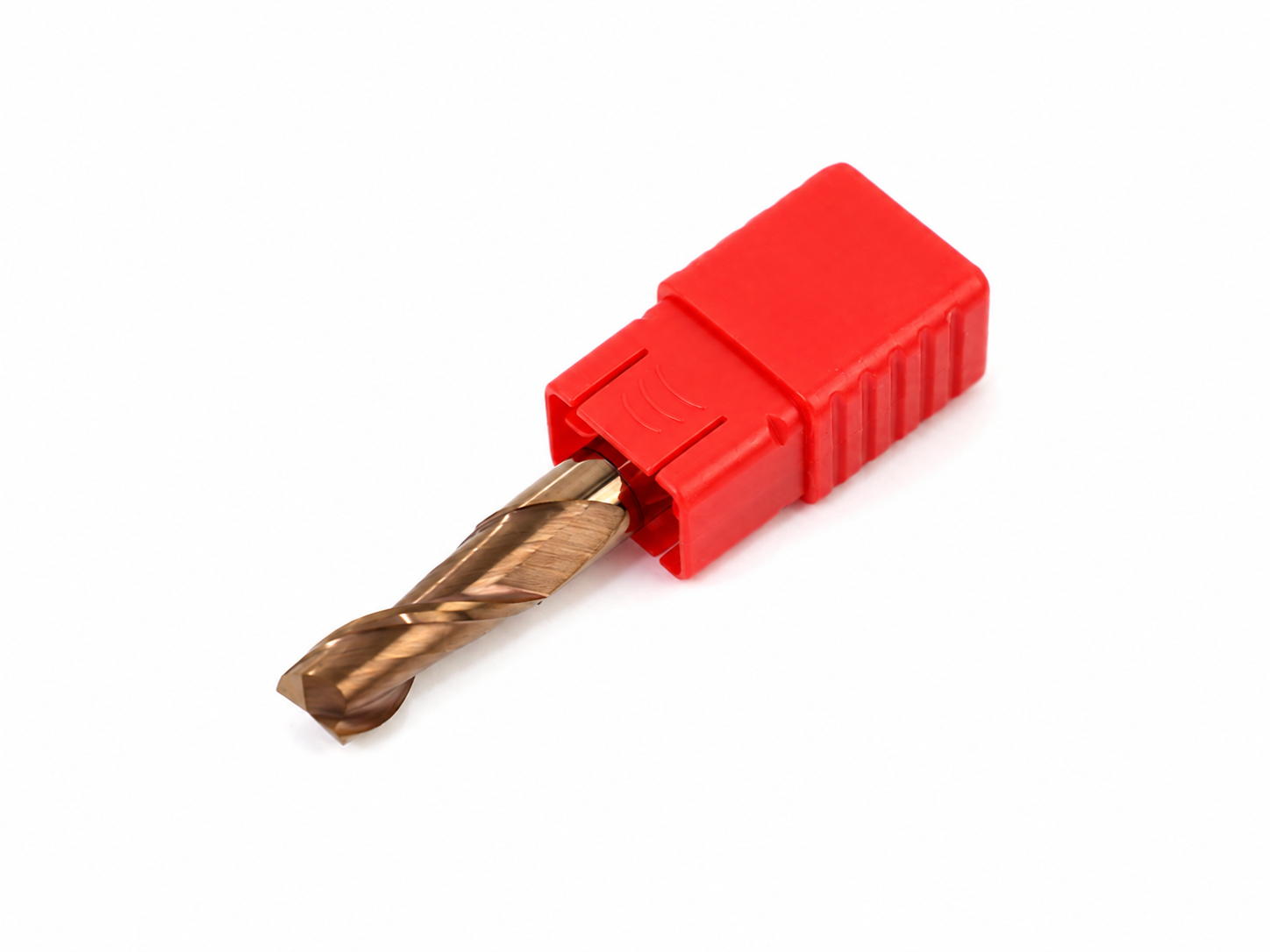
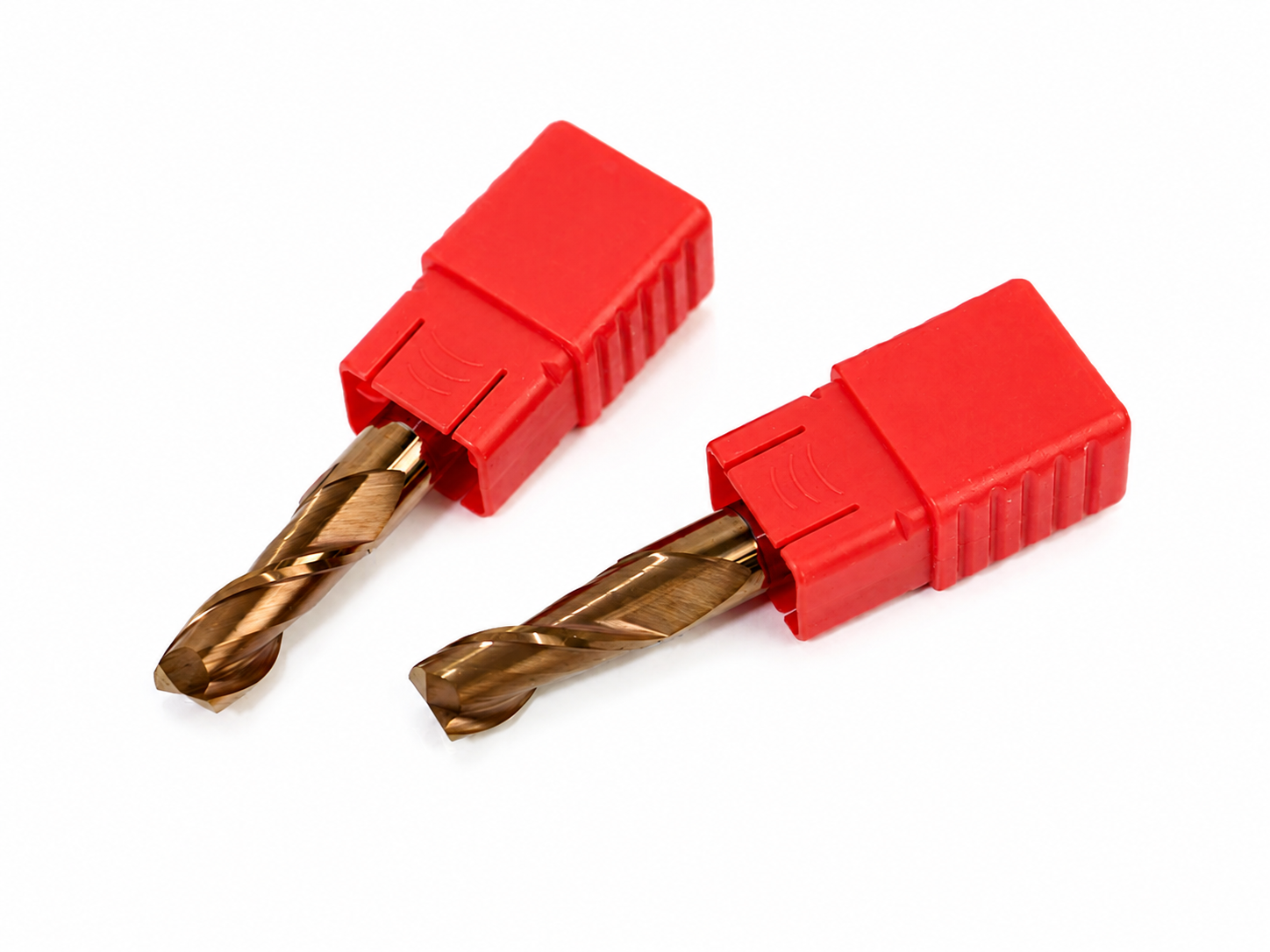
Product Details & Milling Demonstration
Detailed product views and a machining demonstration of the HRC55 2-flute solid carbide square end mill for steel.
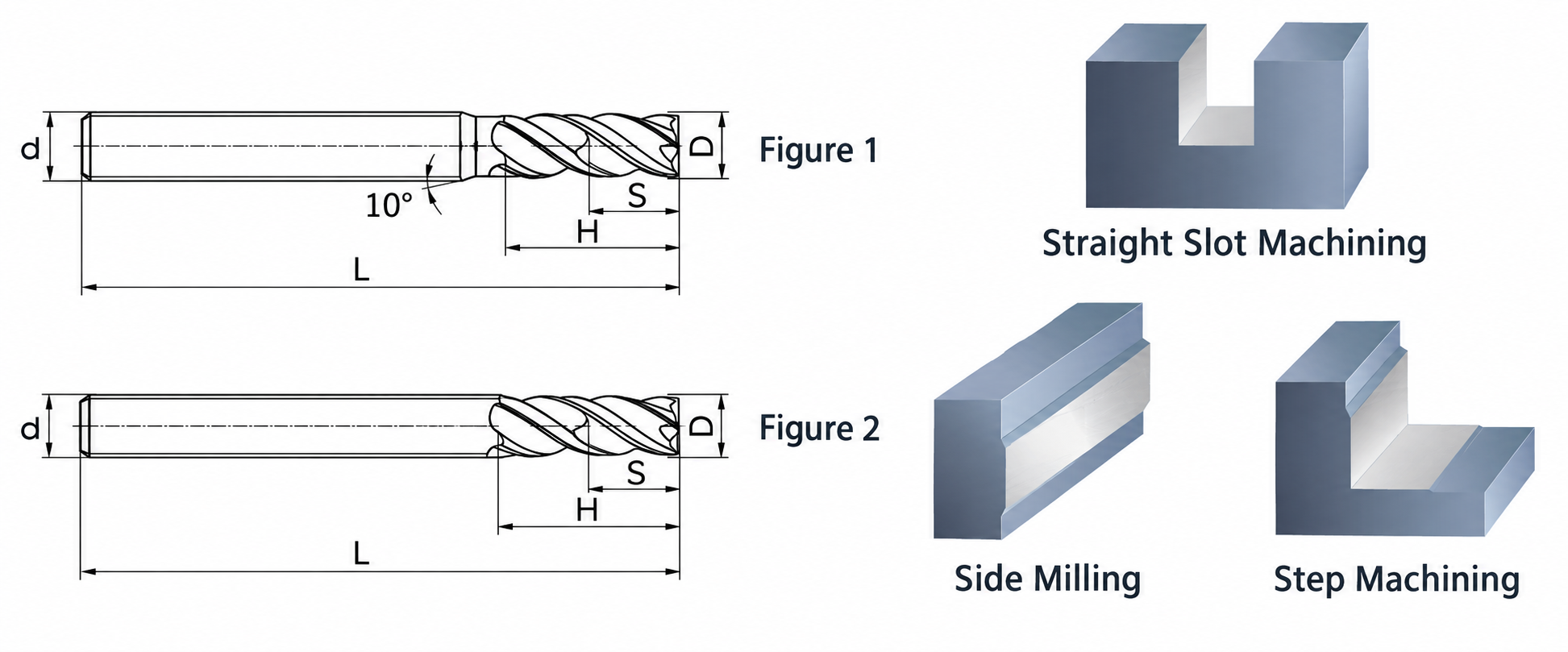
Tool Nomenclature & Dimensions
Reference dimensional nomenclature and standard configurations for the HRC55 2-flute solid carbide square end mill. All listed dimensions are in millimeters.
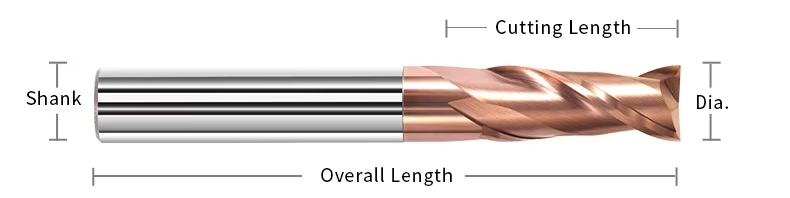
Technical Configuration
| PARAMETER | SPECIFICATION |
|---|---|
| Tool Material | Fine-Grain Solid Carbide |
| End Profile | Square / Flat End |
| Flute Count | 2 Flutes |
| Helix Angle | 35° / 38° |
| Series Positioning | HRC55 Series |
| Coating Options | AlTiN / TiSiN / Application-Specific Coating |
| Cutting Direction | Right-Hand Cutting |
| Diameter Range | Ø1–Ø20 mm Standard Range |
| Length Options | Standard / Long Series / Drawing-Based Custom |
| Primary Materials | Carbon Steel / Alloy Steel / Confirmed Pre-Hardened Steel |
| Center Cutting | Confirm by Specific Configuration |
| Coolant Method | Air Blow / Oil Mist / External Coolant According to Application |
Standard Size Matrix
Reference standard sizes retained from the original product information. Custom cutting diameters, flute lengths, shank diameters and overall lengths are available after drawing review.
| SPECIFICATION | DC / d | APMX / ℓ | DCON / D | OAL / L |
|---|---|---|---|---|
| Ø1×3×4D×50L | 1 | 3 | 4 | 50 |
| Ø2×6×4D×50L | 2 | 6 | 4 | 50 |
| Ø3×9×4D×50L | 3 | 9 | 4 | 50 |
| Ø4×12×4D×50L | 4 | 12 | 4 | 50 |
| Ø5×13×5D×50L | 5 | 13 | 5 | 50 |
| Ø6×15×6D×50L | 6 | 15 | 6 | 50 |
| Ø8×20×8D×60L | 8 | 20 | 8 | 60 |
| Ø10×25×10D×75L | 10 | 25 | 10 | 75 |
| Ø12×30×12D×75L | 12 | 30 | 12 | 75 |
| Ø14×45×14D×100L | 14 | 45 | 14 | 100 |
| Ø20×45×20D×100L | 20 | 45 | 20 | 100 |
Recommended Starting Cutting Parameters
The values below are conservative starting references retained from the original product information. Optimize them according to tool diameter, radial engagement, axial depth, holder runout, machine rigidity and coolant conditions.
| WORKPIECE MATERIAL | HARDNESS | VC (m/min) | fz (mm/tooth) | REFERENCE OPERATION |
|---|---|---|---|---|
| Carbon Steel / Alloy Steel | Below 30 HRC | 120–180 | 0.02–0.12 | Slotting / Side Milling / Semi-Finishing |
| Pre-Hardened Steel | 30–45 HRC | 80–120 | 0.02–0.08 | Semi-Finishing / Finishing |
| Confirmed Harder Steel | 45–55 HRC | 40–70 | 0.01–0.05 | Light Semi-Finishing / Finishing |
Square End Mill Application Guidance
- Slotting: Use reduced cutting parameters compared with side milling because the cutter is engaged across its full diameter.
- Side Milling: Select axial and radial engagement according to the required material-removal rate and surface finish.
- Toolholding: Use a clean, low-runout precision holder and minimize unnecessary overhang.
- Chip Removal: Use air blow, oil mist or suitable external coolant to prevent chip recutting.
- Pocket Entry: Confirm center-cutting and ramping capability before axial plunging or helical entry.
HRC55 2-Flute Square End Mill Customization
Cutting diameter, flute length, overall length, helix angle, square-end geometry, cutting-edge preparation and coating can be configured for steel-milling applications. Standard configurations use a 2-flute design with 35° or 38° helix options, while non-standard dimensions and selected geometry adjustments can be reviewed according to the workpiece grade, hardness, milling operation, tool engagement and required dimensional accuracy.
| PARAMETER | MANUFACTURING CAPABILITIES |
|---|---|
| Cutting Diameter | Standard Ø1–Ø20 mm range, with selected intermediate and non-standard diameters reviewed according to the drawing |
| Flute Count | Standard 2-flute configuration with generous chip space for slotting, side milling and shoulder-milling applications |
| Flute & Overall Length | Standard, long-series and drawing-defined flute, reach and overall-length configurations |
| Shank Configuration | Precision cylindrical shank with standard or drawing-defined shank diameter and clamping length |
| Helix Angle | 35° or 38° standard helix options selected according to the steel grade, chip formation and milling operation |
| Square-End Geometry | Flat-bottom square-end profile for slots, pockets and 90° shoulders, with center-cutting capability confirmed by specific configuration |
| Edge Preparation | Application-matched cutting-edge preparation, end-face grinding, gash geometry and corner condition reviewed according to the steel hardness and cutting load |
| Coating Selection | AlTiN, TiSiN or application-specific coating selected according to the steel grade, hardness, cutting temperature and coolant conditions |
| Milling Application | Geometry can be reviewed for slotting, side milling, shoulder milling, semi-finishing and selected finishing operations |
| Dimensional Tolerance | Drawing-defined requirements for cutting diameter, flute length, shank diameter, overall length, runout and square-end geometry |
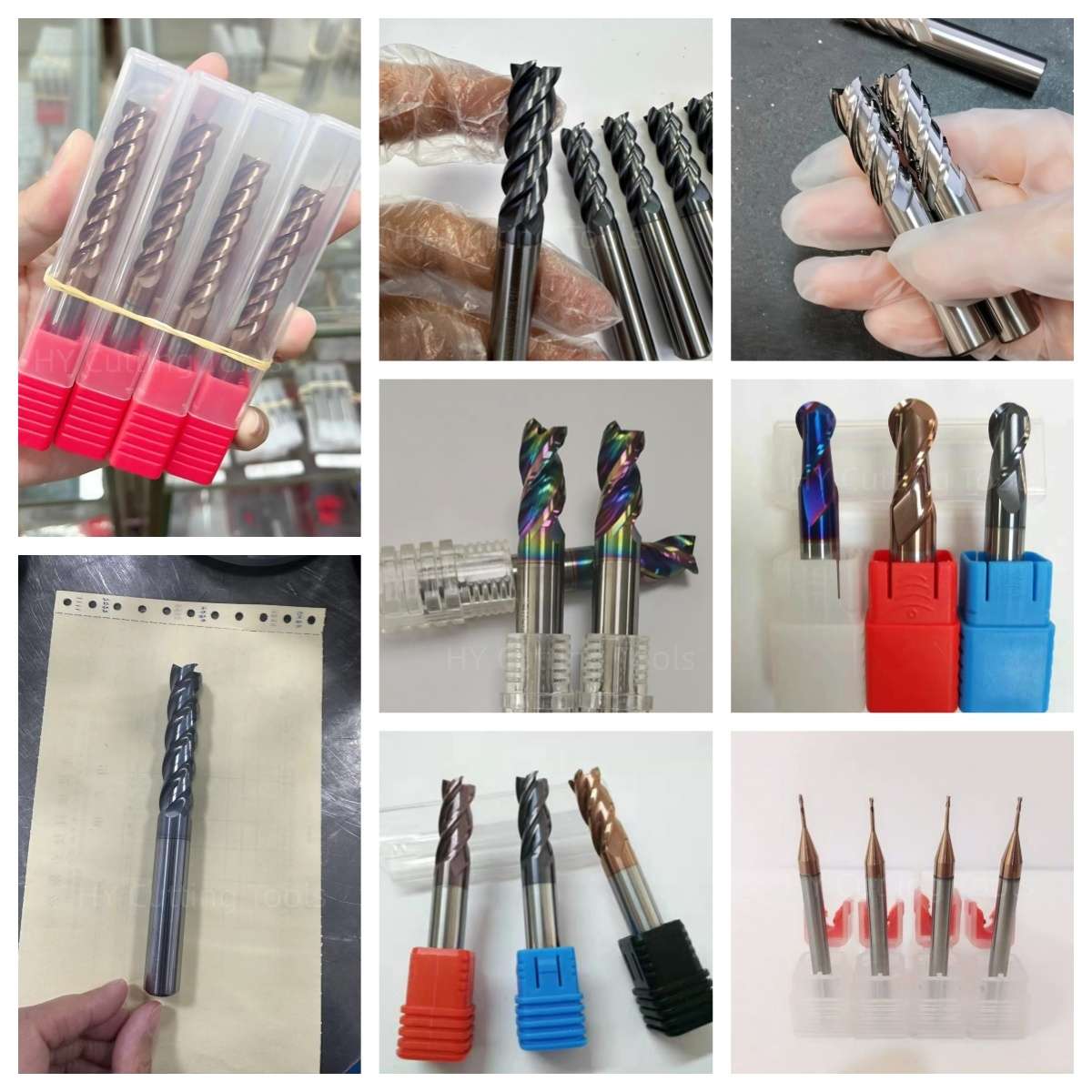
OEM & Private Label Services
OEM manufacturing and private-label supply options are available for industrial distributors, tooling brands and repeat-production customers. Laser identification, label content, protective packaging and coating presentation can be configured according to the approved product specification and order requirements.

Laser Etching
Custom logos, tool codes, cutting dimensions, coating identification and batch numbers can be marked according to the available shank area.
Custom Labels & Packaging
Individual protective tubes, product labels, specification details, colored packaging tubes and private-label packaging can be reviewed.
Commercial Terms
MOQ, sample evaluation, custom-size trials, repeat orders and scheduled supply programs are confirmed according to the selected configuration.
Technical Workflow
A structured review process is used to confirm standard, customized and private-label square end mill requirements before production.
Inquiry
Submit the material, hardness, milling operation, dimensions, tolerance and quantity.
Engineering
Review flute geometry, helix angle, edge preparation, coating, ap and ae.
Commercial
Confirm quotation, MOQ, sample requirements, production schedule and delivery terms.
Production
CNC grinding, end-face formation, edge preparation, coating and laser marking.
Quality Control
Inspect diameter, flute length, shank, runout, square-end geometry and cutting edges.
Quality, Inspection & Delivery
HRC55 2-flute solid carbide square end mills are controlled through material verification, precision grinding, in-process measurement and final inspection. Key dimensions, square-end geometry, cutting-edge condition, coating appearance and product identification are reviewed according to the approved specification or drawing before packing.
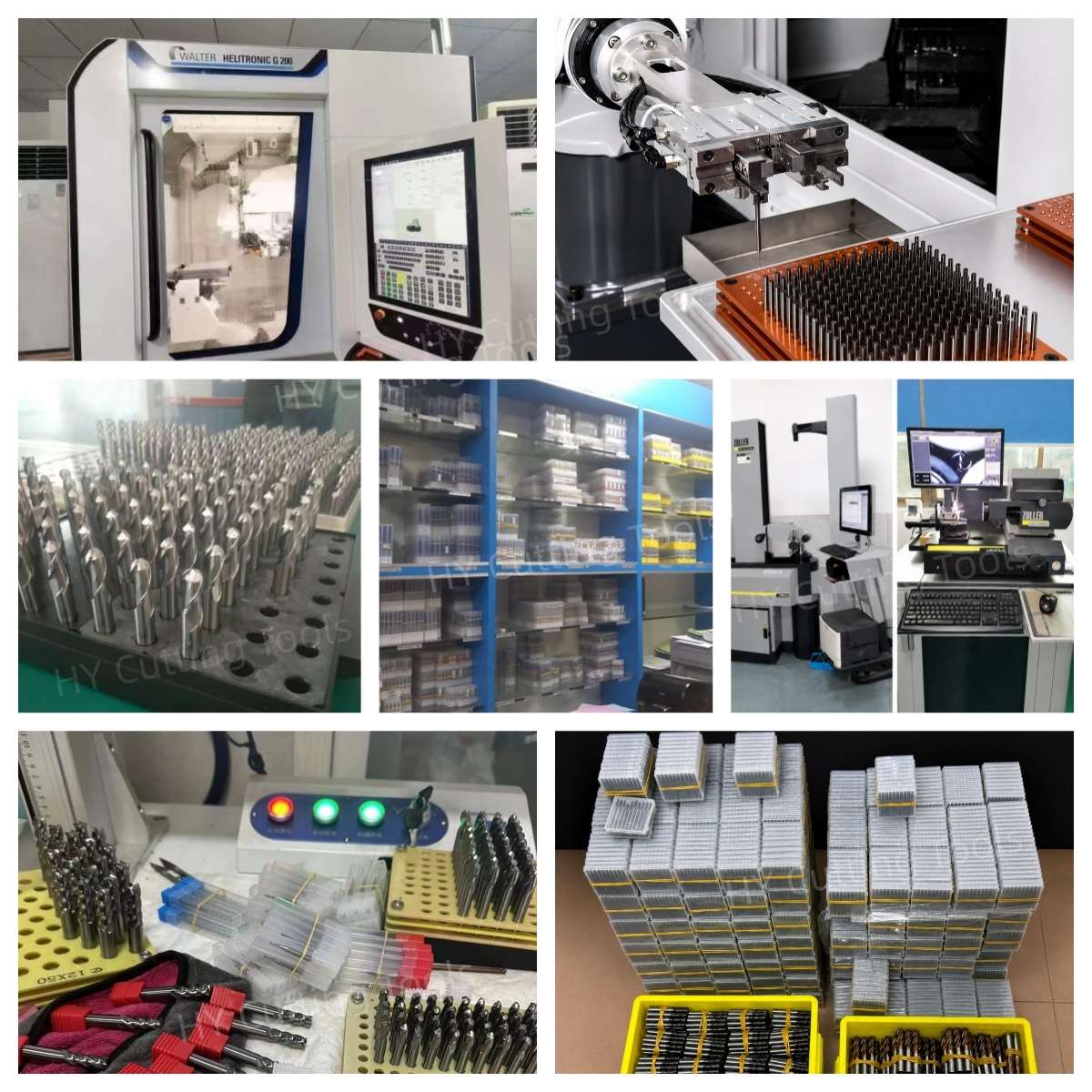
Three-Stage Quality Control
Inspection checkpoints are arranged around the manufacturing process to support dimensional consistency and repeat-order control.
Incoming Material Control
Carbide substrate grade, blank dimensions and supplied material information are checked against the production requirement.
In-Process Grinding Control
Cutting diameter, flute geometry, flute length, square-end profile and shank dimensions are monitored during CNC grinding.
Final Tool Inspection
Finished tools are reviewed for specified dimensions, runout, cutting-edge condition, coating appearance, marking and packing identification.
Key Inspection Characteristics
Inspection requirements are confirmed according to the standard product specification or the approved custom drawing.
| INSPECTION ITEM | CONTROL FOCUS | CONFIRMATION BASIS |
|---|---|---|
| Cutting Diameter (DC) | Diameter and dimensional consistency | Standard specification or approved drawing |
| Flute Length (APMX) | Effective cutting length | Confirmed product size or drawing requirement |
| Shank Diameter (DCON) | Clamping-section dimension and surface condition | Applicable shank specification |
| Overall Length (OAL) | Total tool length | Standard size matrix or approved drawing |
| Radial Runout | Concentricity between cutting section and shank | Agreed inspection requirement |
| Square-End Geometry | End-face profile, corner condition and center-cutting form | Selected tool configuration |
| Flute & Helix Profile | Flute count, helix form and grinding consistency | Approved manufacturing configuration |
| Cutting Edge & Coating | Edge condition, visible defects and coating appearance | Application-specific production requirement |
| Marking & Identification | Tool code, dimensions and batch information where applicable | Confirmed order and packaging specification |
Measurement & Batch Traceability
Optical measuring systems, tool inspection equipment and appropriate dimensional gauges are selected according to the feature being checked.
Optical Measurement
Profile and dimensional review of specified cutting features.
Runout Verification
Concentricity review based on the agreed product requirement.
Edge Inspection
Magnified review of the end face, corners and cutting-edge condition.
Batch Identification
Order, product and batch information are linked where required for repeat supply.
Protective Packaging Process
Finished end mills are protected to reduce contact between cutting edges and to support clear product identification during storage and transportation.

Bulk-Order & Export Packaging
Bulk shipments can be arranged with reinforced cartons, protective wrapping, palletized loading or export cases according to order quantity, shipment weight and agreed transportation requirements.

Delivery Coordination
Production completion, packing method and dispatch arrangements are confirmed according to the approved order. Courier, air, sea or customer-designated shipping options can be reviewed according to shipment size and destination. Final lead time is confirmed after product specifications, quantity and packaging requirements are approved.
FAQ & Downloads
Review common product, application and ordering questions for the HRC55 2-flute solid carbide square end mill, then access the current end mill catalog and starting cutting-data guide.
Product & Application FAQs
Selection and application guidance for steel milling.
What materials is this HRC55 square end mill designed to machine?
It is primarily configured for carbon steel, alloy steel and confirmed pre-hardened steel applications. The exact coating and cutting parameters should be selected according to the workpiece grade, hardness, machining operation and machine rigidity.
Does HRC55 mean that every tool can machine steel at exactly 55 HRC?
HRC55 describes the product-series positioning and its upper target range under selected machining conditions. Actual suitability depends on the steel grade, operation, tool diameter, cutting data, holder condition, machine rigidity and coolant strategy. Application details should be reviewed before machining near the upper hardness range.
What operations are suitable for the 2-flute square-end design?
The square-end geometry is suitable for slotting, side milling, shoulder milling, pocketing and selected semi-finishing operations. Its flat end supports flat-bottom features and 90° shoulders, while the two-flute design provides additional chip space.
Why choose two flutes instead of four flutes for steel milling?
Two flutes provide larger flute space, which can support chip evacuation during slotting and higher-engagement cutting. Four-flute tools may provide more cutting edges for selected side-milling or finishing operations, but the correct choice depends on radial engagement, axial depth, chip control and the required surface condition.
Can this end mill perform full-width slotting and plunge cutting?
The two-flute configuration is suitable for full-width slotting when cutting parameters and chip evacuation are correctly controlled. Plunge capability depends on the specific center-cutting geometry, so center-cutting availability should be confirmed for the selected size or custom configuration.
Which coating should be selected for steel machining?
AlTiN, TiSiN or another application-specific coating may be selected according to the steel grade, hardness, cutting temperature and machining conditions. The coating should be matched with the carbide substrate and edge preparation rather than selected by color alone.
Ordering & Customization FAQs
Information for distributors, tooling brands and customers requesting standard or drawing-based configurations.
What standard sizes are available?
The reference series covers selected cutting diameters from Ø1 to Ø20 mm with standard and long-series configurations. Final availability should be confirmed by cutting diameter, flute length, shank diameter, overall length, helix angle and coating.
Can non-standard dimensions or geometry be manufactured?
Yes. Selected cutting diameters, flute lengths, overall lengths, shank configurations, helix angles, edge preparation and coatings can be reviewed according to the drawing and machining application. Custom dimensions and tolerances are confirmed before production.
Are OEM marking and private-label packaging available?
Laser marking, tool codes, custom labels, protective tubes and private-label packaging can be reviewed according to the available marking area, order quantity and confirmed packaging specification.
What information is required for an accurate quotation?
Please provide the workpiece material and hardness, cutting diameter, flute length, shank diameter, overall length, machining operation, axial and radial engagement, coating preference, tolerance requirements and order quantity. A tool drawing or component drawing is recommended for custom projects.
Technical Downloads
Access current product-range information and starting cutting references for solid carbide end mill selection.
Solid Carbide End Mills Catalog
Product families, hardness series, flute options and reference sizes.
End Mill Speeds & Feeds Guide
Starting cutting speeds, chip loads, engagement guidance and adjustment notes.
Cutting data are starting references only. Adjust the values according to the exact tool diameter, flute count, workpiece hardness, engagement, overhang, holder condition and machine rigidity.
Need a Size or Application Review?
Send the workpiece grade, hardness, required dimensions, machining operation and quantity for configuration and quotation review.
Need Sizes, Pricing or Custom Options?
Send us the required tool type, sizes, quantities, workpiece material and any OEM or custom requirements. We will confirm suitable specifications, availability, lead time and quotation details.
Drawings, size lists and reference photos are welcome.