
Phay ren hay taro: Chọn dụng cụ phù hợp
Thread milling vs tapping: should you replace the tap you already use, or change the process? Start with what needs to improve: tool supply, thread size, cycle time or the cost of failures.
This guide compares internal, single-start threads and explains what to ask your customer or supplier before ordering a replacement or trial tool.
Câu trả lời nhanh
Keep tapping when it already works
For repeated holes of one size, a suitable tap can be productive. Compare the replacement’s geometry, tolerance and holder dimensions with your current tool.
Consider thread milling for size control
It can help when threads need controlled diameter adjustment, several compatible sizes share a tool, or tap breakage is costly. Your CNC must support the required helical path.
For an existing application: begin with the accepted process. Change to thread milling only when a trial demonstrates a useful gain in quality, cost or process reliability.
Mục lục
Thread Milling vs Tapping: Which Should You Choose?
| Decision point | Tapping | Thread milling |
|---|---|---|
| Stable production | Often a strong starting point for repeated small and medium internal threads. | Compare cycle time and setup effort against the accepted process. |
| Machine capability | Needs the correct tapping cycle, rotation/feed relationship and holder. | Needs coordinated X/Y/Z helical interpolation and a verified program. |
| Thread-size adjustment | Tap tolerance and process conditions influence the finished fit. | Radial adjustments can change pitch diameter—a key dimension for thread fit—within the cutter’s limits. |
| Different thread sizes | Usually requires a tap for each thread size and pitch. | A suitable cutter may cover several diameters; profile, pitch and access limits apply. |
| Blind-hole access | Allow room for the tap lead, chips and safe reversal. | Allow room for the cutter end, neck, entry and exit path. |
| Breakage consequences | A broken tap may be difficult to extract from a valuable part. | Smaller cutter size may aid recovery, but fragments or thread damage can still cause scrap. |
On a small screen, swipe the comparison table sideways.
A tap advances along the hole axis at its thread lead. A thread mill spins about its own axis while travelling around the hole on a helix. For a single-start thread, one complete orbit advances axially by one pitch.
When programming thread-milling feed, check whether CAM already converts cutting-edge feed to tool-centre feed. Apply the selected tool’s calculation once; copying a straight-line milling feed into an internal circular path can overload the cutter.
Choose the Tool Design, Not Just the Thread Size
Thread mills: cutting rows and thread profile are different choices
A single-form cutter has one axial row of thread form, which may have several cutting flutes. A multi-form cutter has several axial rows. Full-profile versus partial-profile describes the cutting form; it is a separate distinction, not another name for the number of rows.
| Tool description | What the buyer needs to establish |
|---|---|
| Single-form / single-row |
|
| Multi-form / multi-row |
|
| Full-profile / partial-profile |
|
Inventory example: M8 × 1.25 and M10 × 1.25 may share one approved thread mill if it fits the smaller bore and its application range covers both. M10 × 1.5 is a separate compatibility check. A shared nominal diameter does not make two pitches interchangeable. For detailed cutter selection, see how to choose a thread mill.
Which tap suits your through hole or blind hole?
| Tap type | Selection direction and restriction |
|---|---|
| Spiral point cutting tap | Typically pushes chips forward in through holes. Provide space beyond the hole for the tap lead and discharged chips. |
| Spiral flute cutting tap | Typically draws chips back toward the entry in blind holes. Match helix, material and depth to the selected series. |
| Straight flute cutting tap | Used in suitable short-chipping materials and specified applications. It is not a universal replacement for either geometry above. |
| Forming tap | Displaces suitable ductile material without cutting chips. It needs its own pre-hole specification, lubrication and process approval. |
HSS, HSS-E, PM-HSS and solid carbide are tool-material choices, not flute types. Carbide is not an automatic upgrade for an unstable tapping setup. Browse HSS tap options hoặc solid carbide taps after defining the application.
Blind Holes: Separate Full Thread from Drilled Depth
In this M10 × 1.5 example, the last required complete thread is 18 mm below the top face, and the cylindrical bore ends 24 mm below that same face. This leaves a nominal 6 mm below the last full thread. Check the tool and toolpath against that space; it does not guarantee clearance.
| Dimension | What it establishes |
|---|---|
| Required full-thread depth | Locate the last required complete thread from the drawing datum. State usable thread length and entry chamfer separately; they are not automatically the same dimension. |
| Cylindrical hole depth | Usable bore length before a drill-point cone or other bottom feature begins. |
| Total drilled depth | The depth to the deepest point. The drill-point cone does not provide full-diameter tool clearance. |
Practical Actions Before You Change the Process
Use these checks to investigate the problem. Keep the current tool model and program for comparison; appearance alone cannot establish the cause.
Why does my tap break near the bottom?
- Measure: Check pre-hole size and usable depth against the tap chamfer and cycle endpoint.
- Check: Look for trapped chips; review lubrication and synchronization.
- Before changing tools: Resolve inadequate bottom clearance before trialling another tap.
Chips keep packing in the blind hole
- Chip direction: A through-hole spiral point tap is not an automatic blind-hole substitute.
- Chất làm mát: Check whether coolant reaches the working zone.
- Next action: Review depth and chip space, then trial a blind-hole geometry suited to the material.
Why is the thread size different at the bottom?
- Measure: Compare thread size at the specified depths.
- Review: Check projection, clamping, runout, deflection and the recommended pass strategy.
- Adjustment limit: Changing one offset may shift size without correcting taper.
Can a forming tap solve the chip problem?
- Suitability: Check material ductility, lubricant and drawing acceptance.
- Lỗ khoan trước: Obtain the forming tap’s hole diameter and tolerance; measure the existing hole.
- Before production: Trial the revised hole preparation before changing the process.
Replacement sourcing: if the current process makes acceptable parts, send the complete tool code and compare geometry, tap tolerance, lead, shank diameter, square and overall length. Two taps marked M10 × 1.5 can require different holders.
What should you choose after those checks?
| What you establish | Practical decision |
|---|---|
| Tapping passes inspection and meets production needs | Keep tapping as the baseline. For a second supplier, trial a comparable tap; do not change processes just to obtain another quotation. |
| Bottom clearance is insufficient | Resolve the permitted hole depth or tool geometry first. A shorter-lead tap or thread mill needs a separate clearance and loading review. |
| The machine cannot run the required helical path | Do not specify ordinary thread milling on that setup. Review suitable tapping, or assess another machine before proposing a process change. |
| Fit control or costly tap failures remain a problem | After addressing hole preparation and setup, trial a suitable thread mill on a capable machine. Use gauge results, accepted output and total cost to decide. |
Check Thread Quality and Cost per Accepted Part
For thread milling, use controlled radial adjustments to approach the required pitch diameter. Keep the workpiece located and follow the control’s radius/diameter compensation convention. Offset adjustment cannot correct the wrong pitch, profile or an unacceptable pre-hole.
Use the specified thread gauges and drawing requirements. Record the required class, complete thread depth and inspection results; a mating bolt alone does not establish acceptance. If GO/NO-GO results disagree with expectations, investigate the feature and gauging procedure before adjusting the path. If the thread is already oversized, cutting farther outward cannot restore it.
| Trial record | A useful comparison |
|---|---|
| Quality and life | Accepted holes before the agreed wear, gauge or finish limit; keep rejects separate. |
| Cycle and setup | Measured threading time, programming/prove-out time and the expected batch size. |
| Production interruptions | Tool changes, chip clearing, inspection and recovery time. |
| Cost per accepted part | Allocate tooling, machine time, setup and rejected-part cost over accepted output. |
Illustrative cost check: at $60 per machine hour, an extra 8 seconds per part costs about $0.13 before tooling and setup. Saving $0.05 in tooling per part would not offset that time alone. Measure any improvement in yield or recovery time as well.
Record material grade and condition, actual pre-hole, tool, holder, program and coolant. When switching processes, document necessary changes and stabilise each method; compare the accepted output under those recorded conditions. For a direct replacement trial, keep other variables consistent where practical.
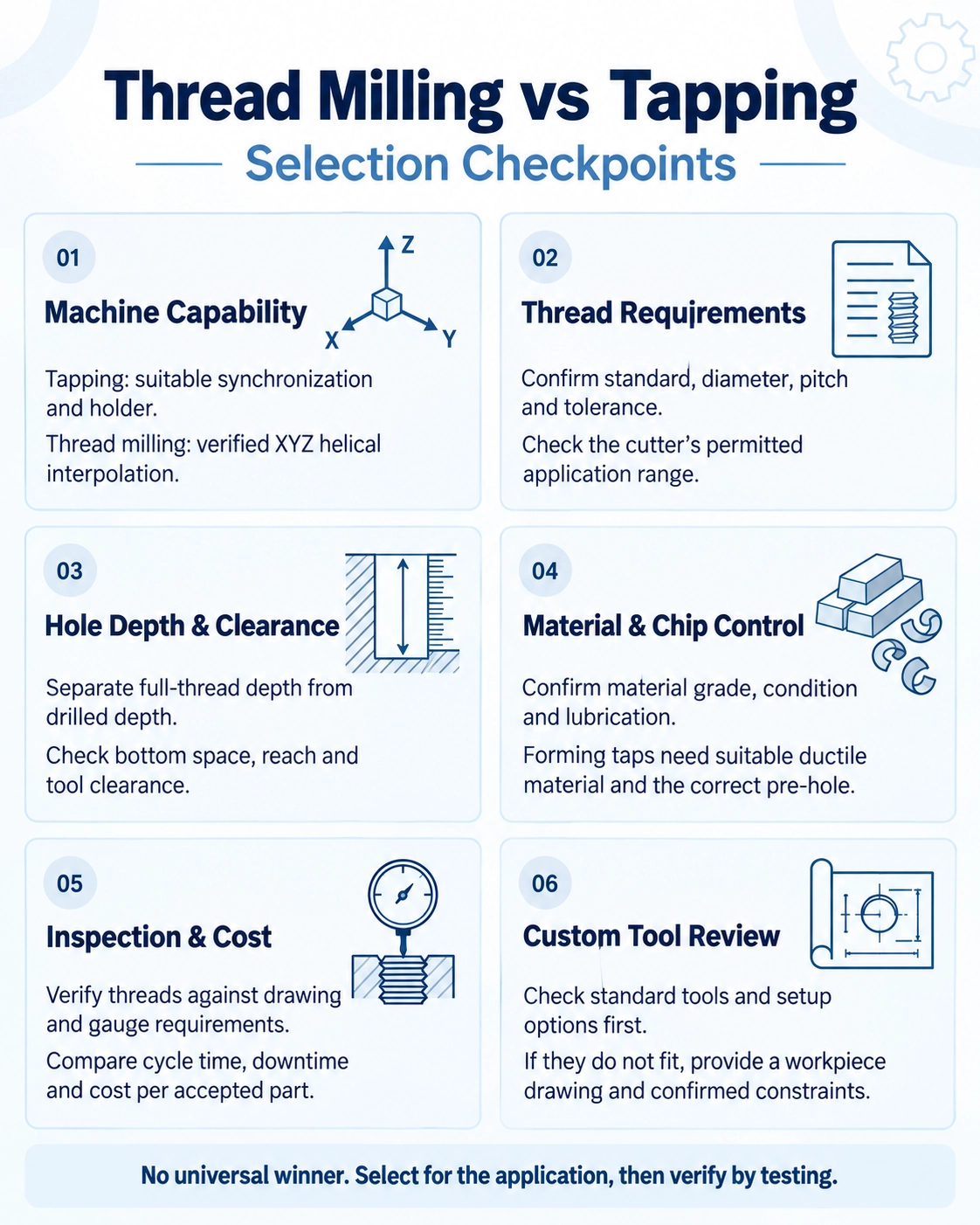
View the visual selection checklist
Threading Tools to Review for Your Application
Use these product pages to inspect the available designs. Series ranges cover multiple models; the individual tool’s pitch, reach and material suitability still need to match the job.
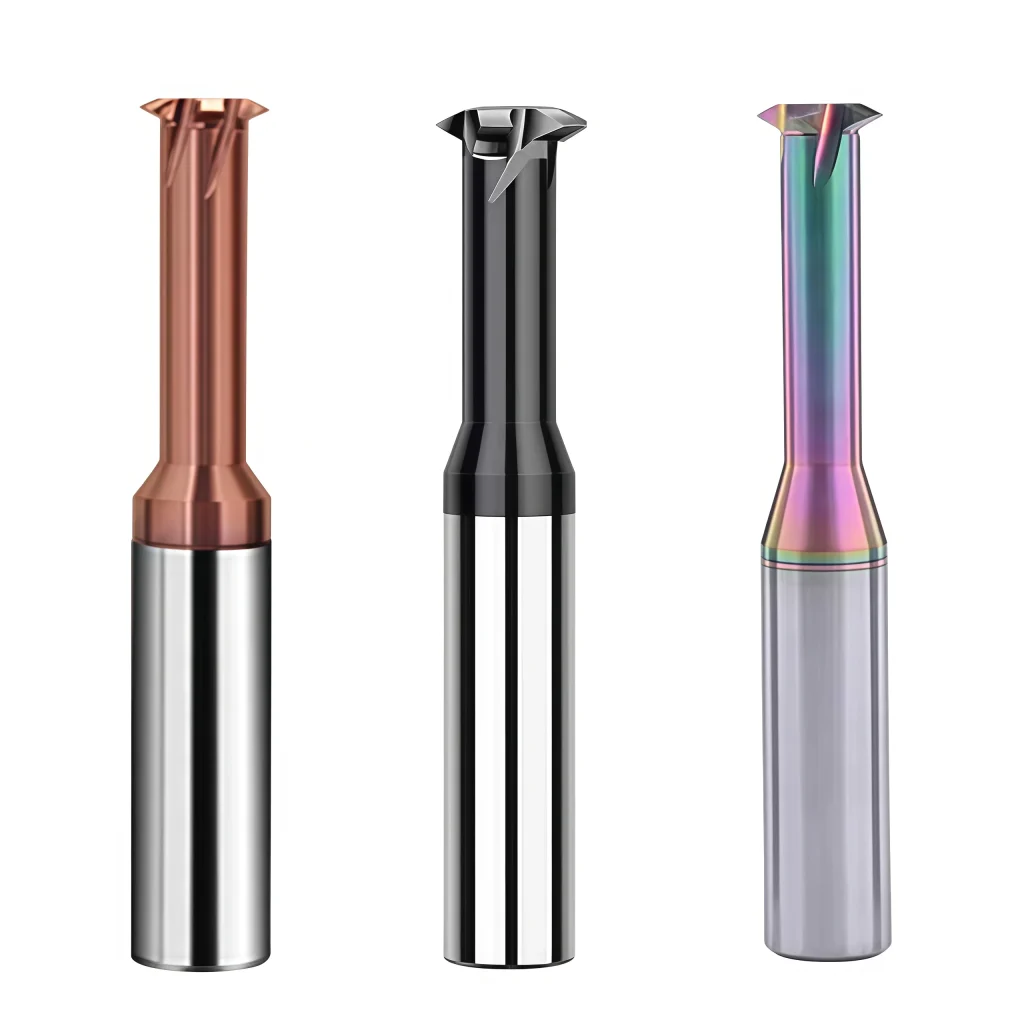
Compare approved pitch range, minimum bore and usable reach.

Stainless steel thread mills →
Full-profile metric internal threading options for SUS304 / SUS316L.

Review blind-hole geometry for the specified stainless grade and depth.

Review through-hole tapping with forward chip-discharge space.

For suitable ductile materials with the correct forming pre-hole.

Drawing-based review of special profiles, reach and restricted access.
For recessed threads or unusual profiles, send the workpiece section before requesting a longer tool. A custom review should address neck and holder clearance, stiffness and the toolpath as well as reach. OEM marking and packaging are separate order requirements.
Turn “M10 × 1.5, Blind Hole” into a Useful Enquiry
A reseller receives: “M10 × 1.5, stainless steel, blind hole, 100 tools.” The missing detail is whether this is a repeat purchase or a process problem. Start by obtaining the current model and asking what needs to improve.
Attach a section drawing and failure photos with the axial location marked. If tapping already passes inspection and only price or supply needs improvement, request a comparable tap candidate first. If a process change is proposed, include programming and first-piece acceptance in the trial plan.
Câu hỏi thường gặp dành cho người mua
Should I switch to thread milling for stainless steel?
Not just because the material is stainless steel. If tapping meets the drawing and production target, compare a suitable replacement tap first. Evaluate thread milling when size control, mixed sizes or failure costs justify a trial.
Can one thread mill replace several tap sizes?
Sometimes. Check its approved pitch/profile range, minimum bore and reach. A suitable multi-form cutter may cover different diameters at one pitch; it does not automatically cover other pitches.
Can I keep the same drill when changing to a forming tap?
Do not assume so. Forming generally needs a larger pre-hole than cutting tapping for the same thread. Use the selected forming tap’s diameter and tolerance, then inspect the formed thread and minor diameter.
Will thread milling prevent an expensive part from being scrapped?
It may make some broken-tool recovery easier, but fragments or damaged threads can still cause scrap. Include actual rejects and recovery time in your trial comparison rather than assuming the part will always be saved.
Can you suggest a replacement for another brand’s tap or thread mill?
Yes. Send the brand, full model, application and quantity. A catalogue page or label photo helps us compare specifications. We may need more detail on tap limit, geometry or reach; trial acceptance establishes suitability.
I only have a part drawing. Can you make a custom thread mill?
Yes, we can review a part drawing or reference sample. Show the thread callout, depths, material and access limits. We review tool feasibility and agree the specification, quantity and lead time before production.
Can I buy samples before placing a larger order?
Yes. Samples are generally charged; a few small-size samples may be free depending on the product and specification. Freight is paid by the customer. Send the exact models and quantities for sample terms.
Can I mix thread sizes, and what is the MOQ?
Different sizes can generally be combined. Most standard tools start from 10 pieces, with MOQ checked for each item. Custom MOQ depends on tool type, material and size. Send your list for a quotation.
Xem tại ordering and custom-tool FAQs for company purchasing policies.
Related Guides
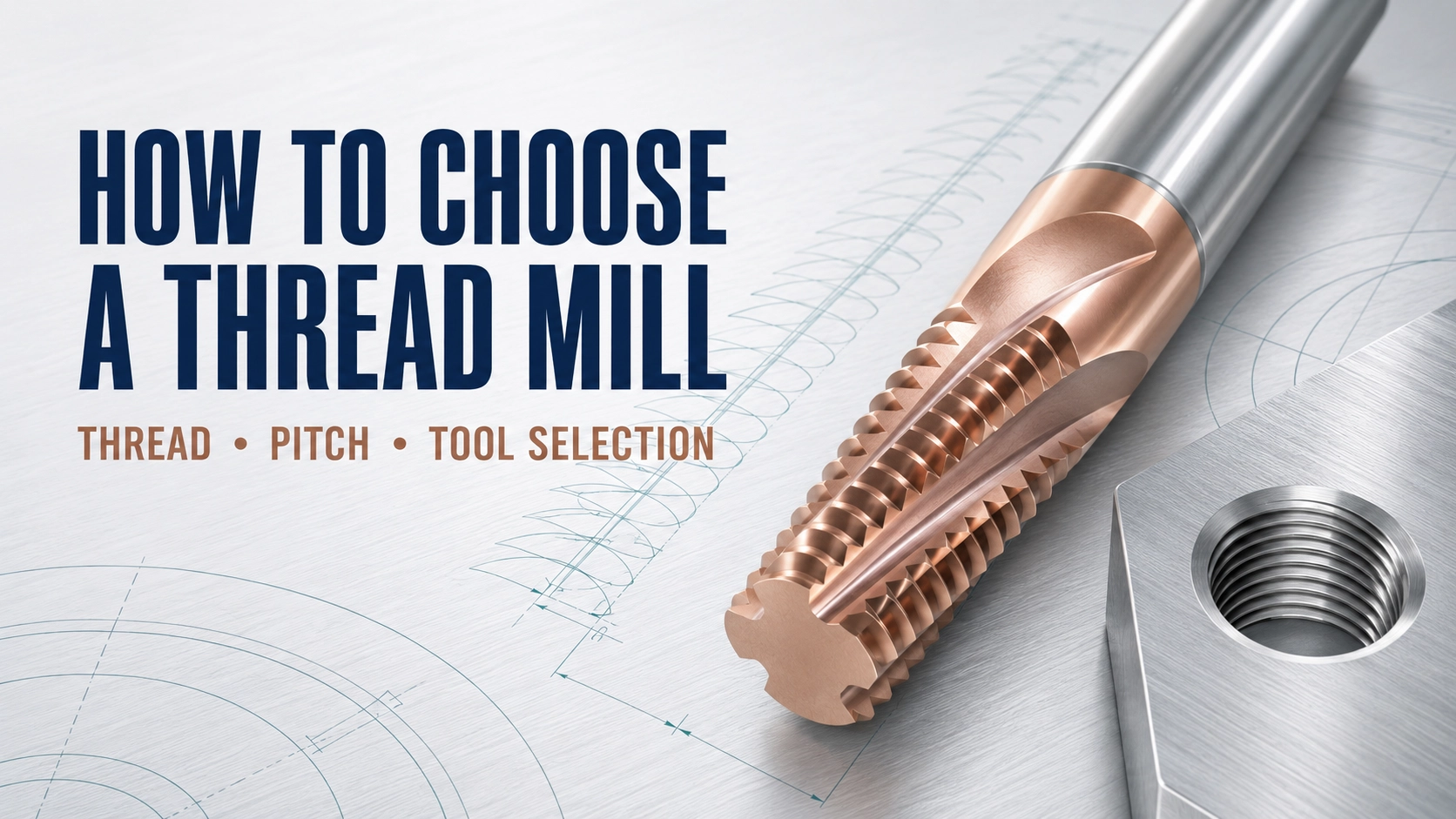
Check pitch, profile, bore and reach after choosing the process.
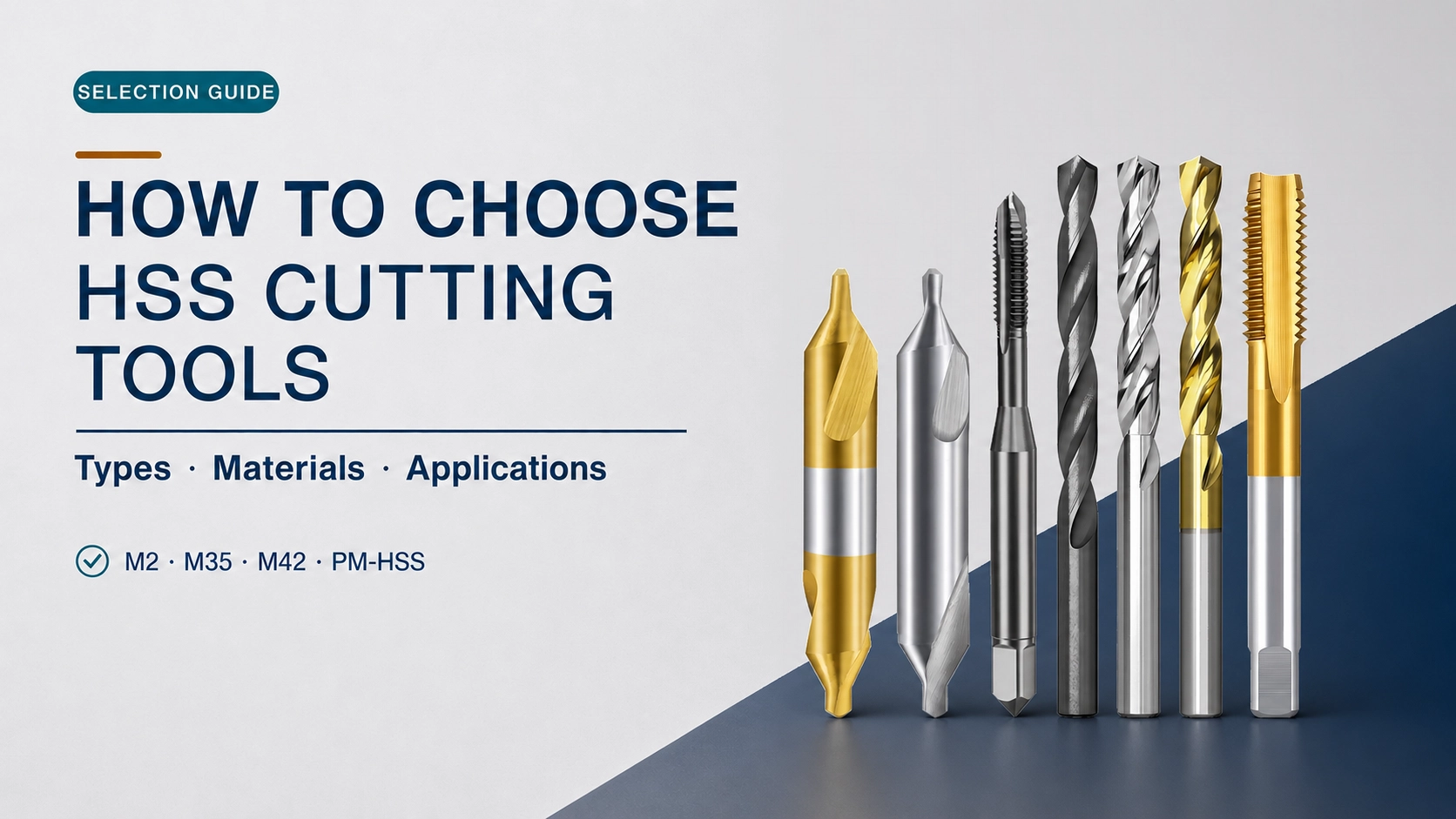
Compare tool materials, geometry and application requirements.

Set acceptance criteria and retain useful production records.
Review hole preparation before specifying the threading tool.
Technical reference: Sandvik Coromant: thread milling application guidance. General principles; use the selected tool’s application data.