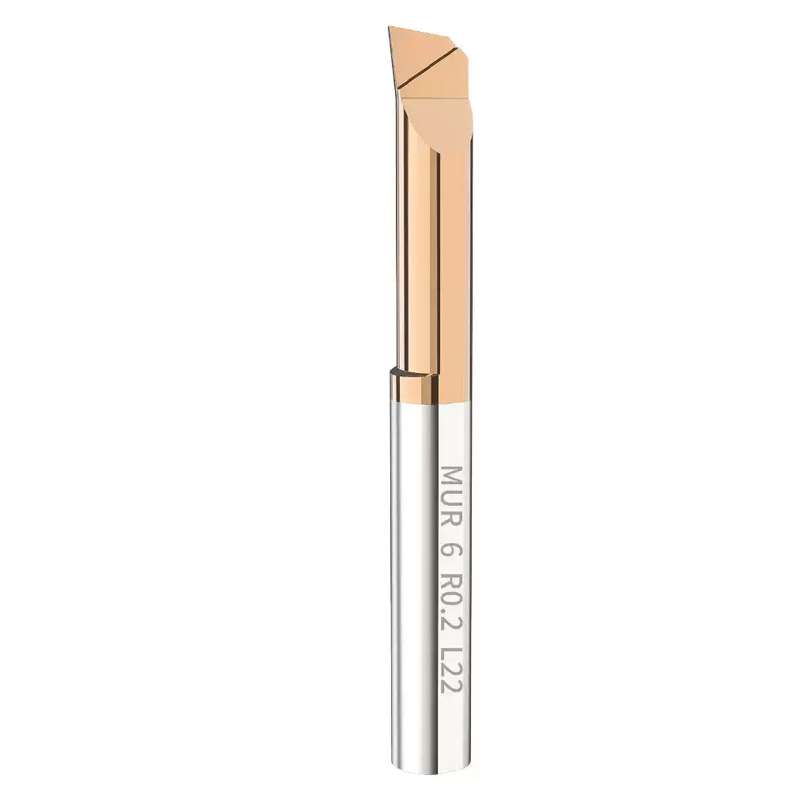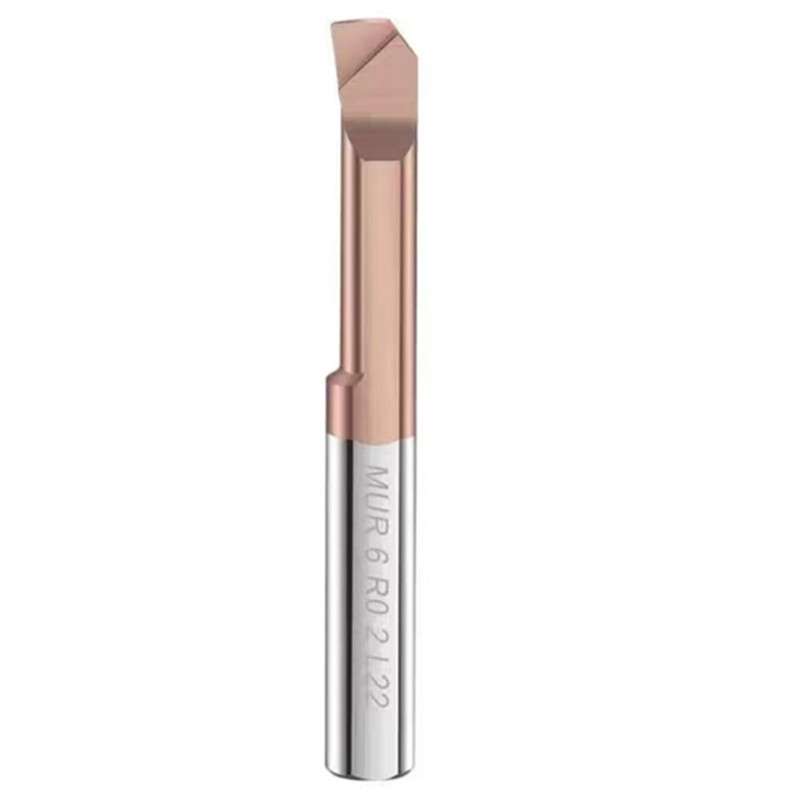
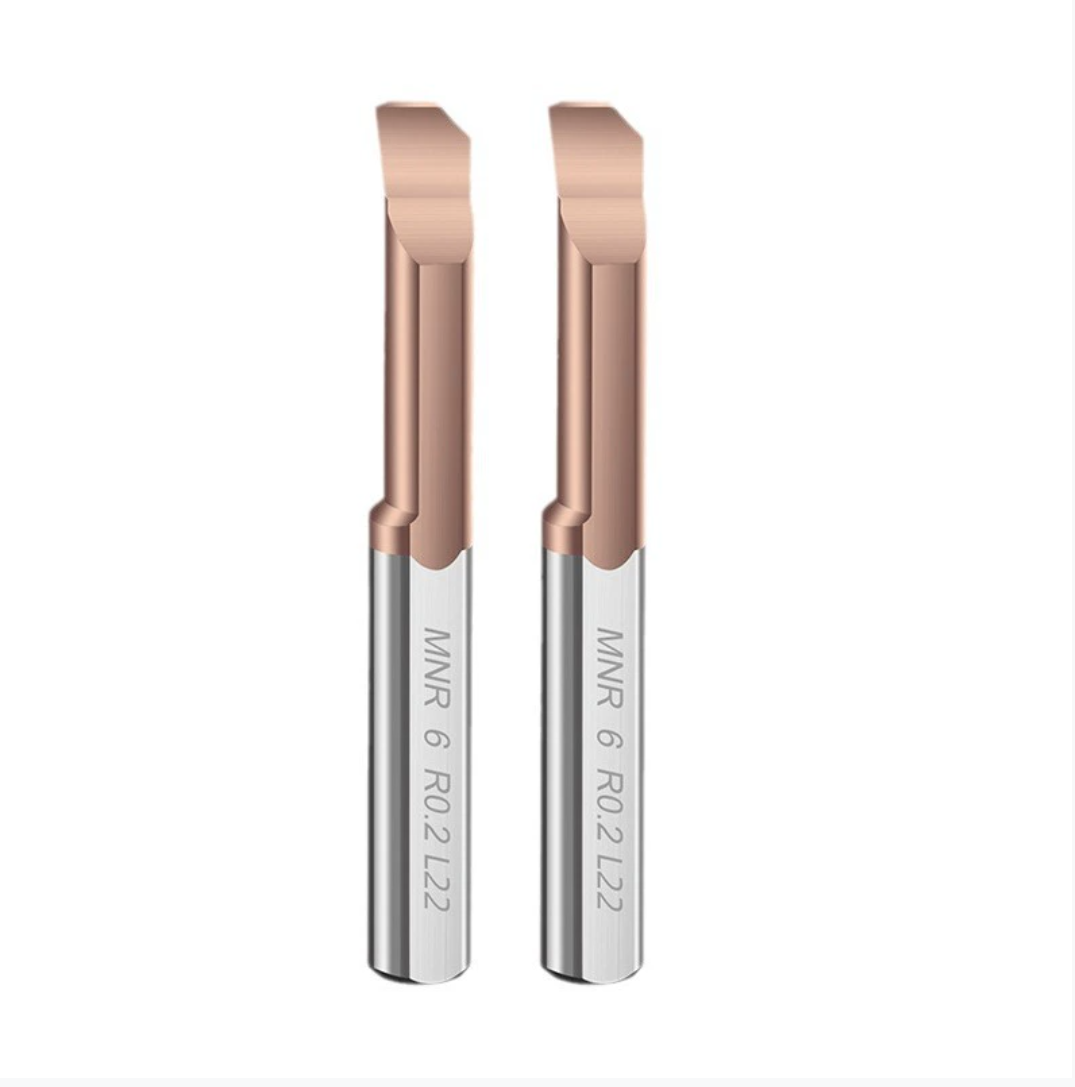
MNR Series Solid Carbide Micro Internal Grooving and Boring Bar for Small Bore Machining
Consistent Quality
Consistent geometry across repeat orders.
Flexible Orders
Small batches and mixed sizes available.
OEM Support
Custom marking, labels and packaging.
Standard & Custom
Standard sizes and custom configurations.
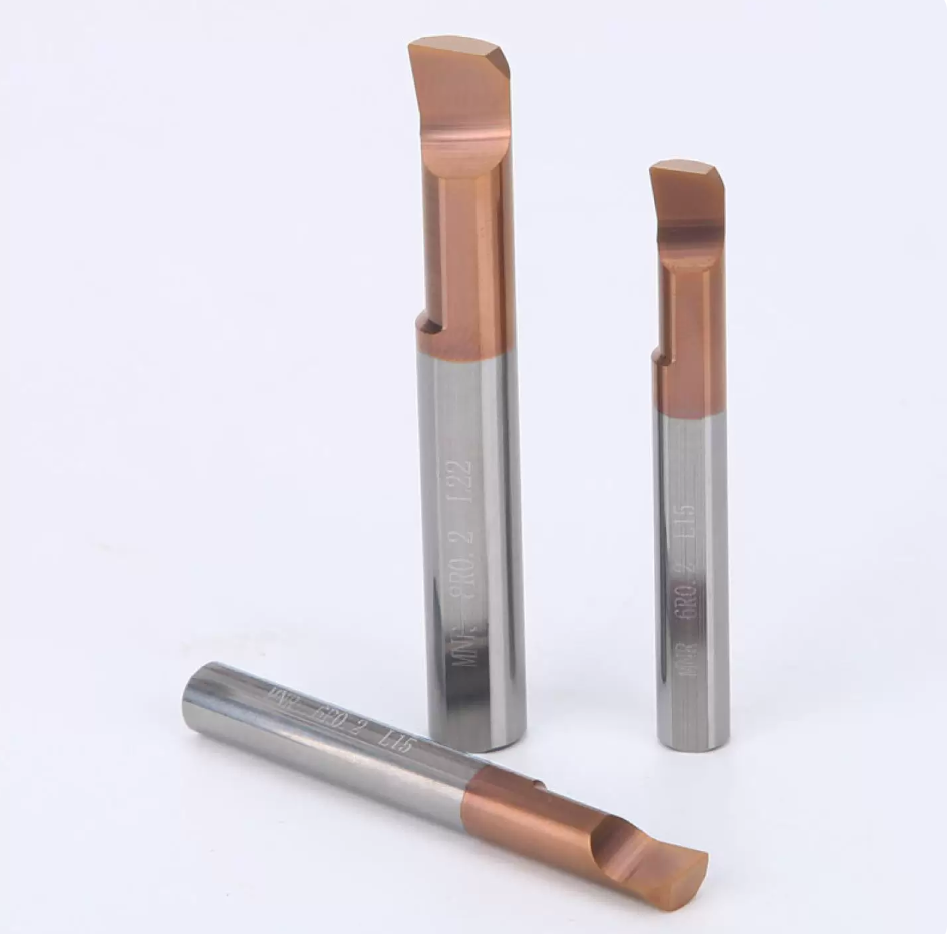
MNR Micro Internal Grooving & Boring Bar
MNR Series solid carbide micro internal grooving and boring bars are designed for precision machining inside small-diameter bores. The compact cutting head and radiused cutting edge support internal boring, shallow grooving, shoulder finishing and controlled internal profiling.
The integral fine-grain carbide body provides the rigidity required for small-bore CNC turning, while cutting diameters from Ø0.8 mm to Ø5.7 mm and effective lengths from 3 mm to 30 mm cover a wide range of confined internal features.
Product Overview
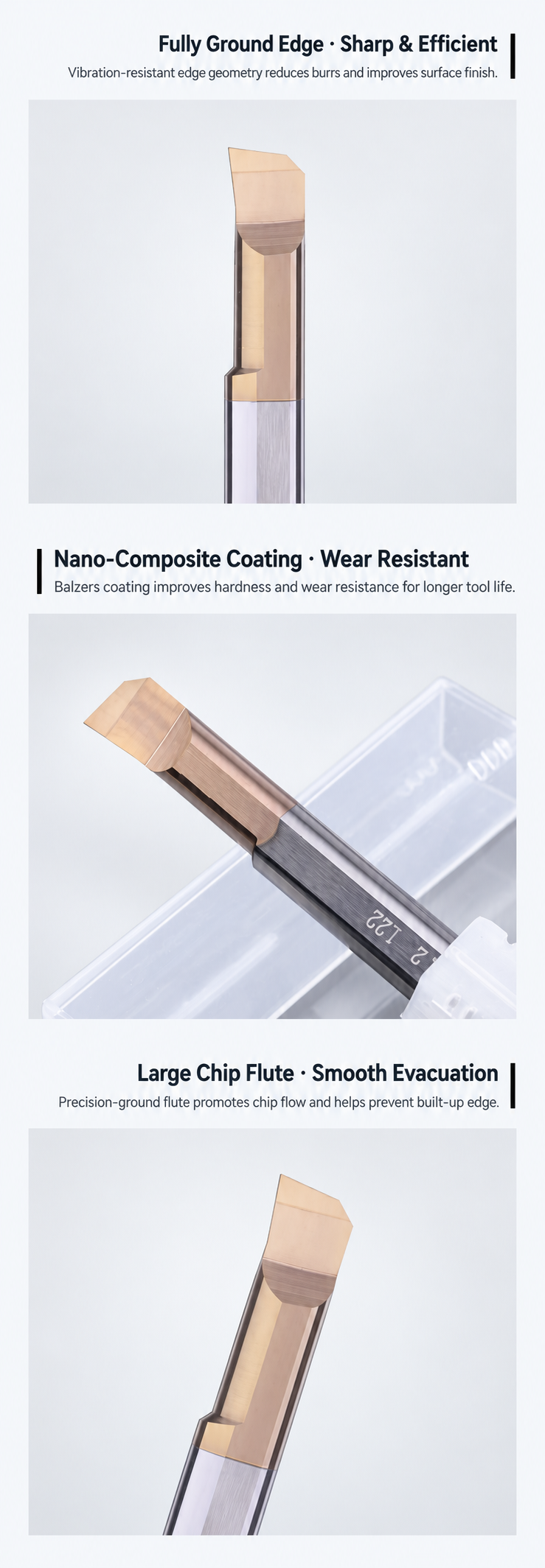
Key Product Features
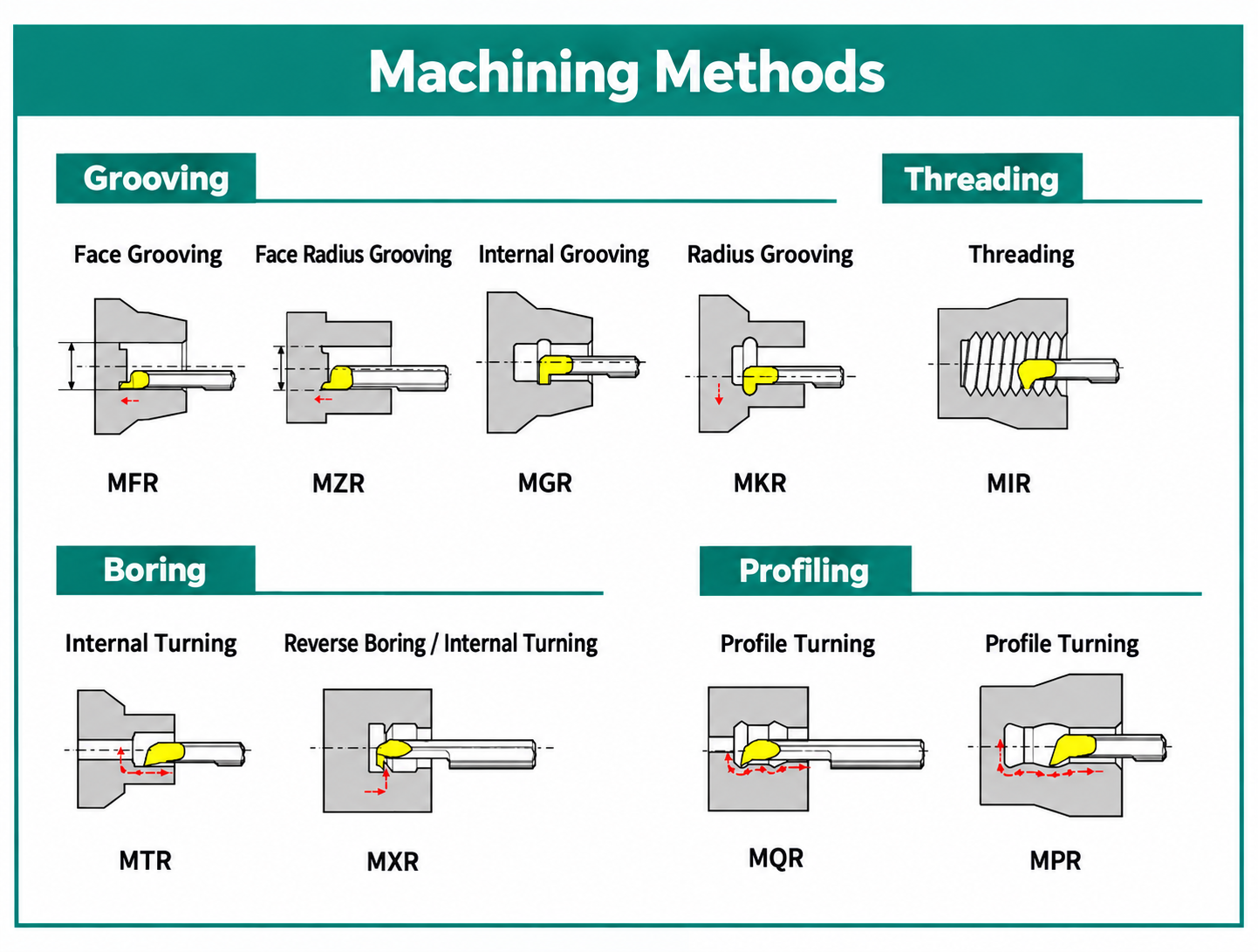
Typical Applications
| Application | Machining Purpose |
|---|---|
| Small-Bore Internal Turning | Precision correction and finishing of small internal diameters. |
| Shallow Internal Grooving | Producing shallow relief grooves and recessed internal features within the specified Q depth. |
| Internal Shoulder Finishing | Finishing internal shoulders and transitions with a controlled cutting radius. |
| Internal Profiling | Machining simple internal contours when tool clearance and cutting direction are verified. |
Recommended Workpiece Materials
 Select the carbide grade, coating and edge preparation according to the workpiece material, required surface finish and cutting conditions.
Application & Selection Guidance
Confirm that the cutting head and neck can enter the bore without interference.
Do not exceed the maximum cutting depth specified for the selected model.
Match radius R to the required internal corner geometry and surface-finish requirement.
Use the shortest effective length that can safely reach the machining position.
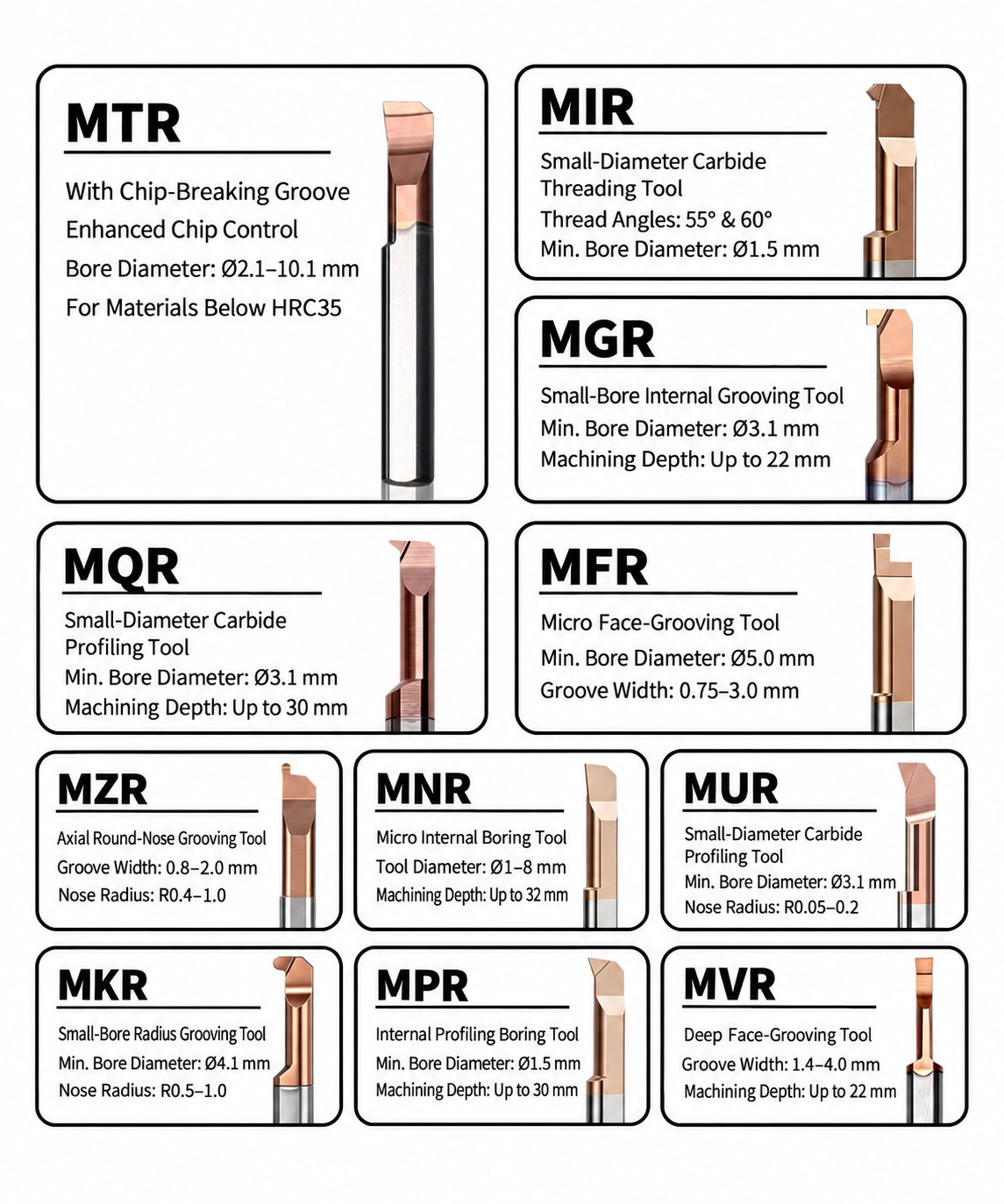 Micro internal tooling selection guide covering boring, grooving, threading, profiling and face-grooving tools for small-diameter machining.
Product Video
Series-level product video. Confirm the selected MNR cutting diameter, radius and effective length before ordering.
Custom MNR Tools
Custom cutting diameters, tip radii, cutting depths, effective lengths, shank diameters, coatings, laser marking and private-label packaging can be produced according to component drawings or reference samples.
Tool Nomenclature & Selection Guide
Select the MNR micro internal grooving and boring bar according to cutting diameter d1, tip radius R, cutting depth Q, effective length L1 and shank diameter D.
| Code Element | Description | Example |
|---|---|---|
| MNR | Micro Internal Grooving & Boring Bar | MNR Series |
| 08–57 | Cutting Diameter d1 | Ø0.8–Ø5.7 mm |
| R005–R020 | Tip Radius R | 0.05–0.20 mm |
| L3.0–L30 | Effective Length L1 | 3–30 mm |
| 0450 / 0650 / 0660 | Shank Diameter and Overall Length | Ø4 × 50 / Ø6 × 50 / Ø6 × 60 mm |
Dimensions & Available Sizes
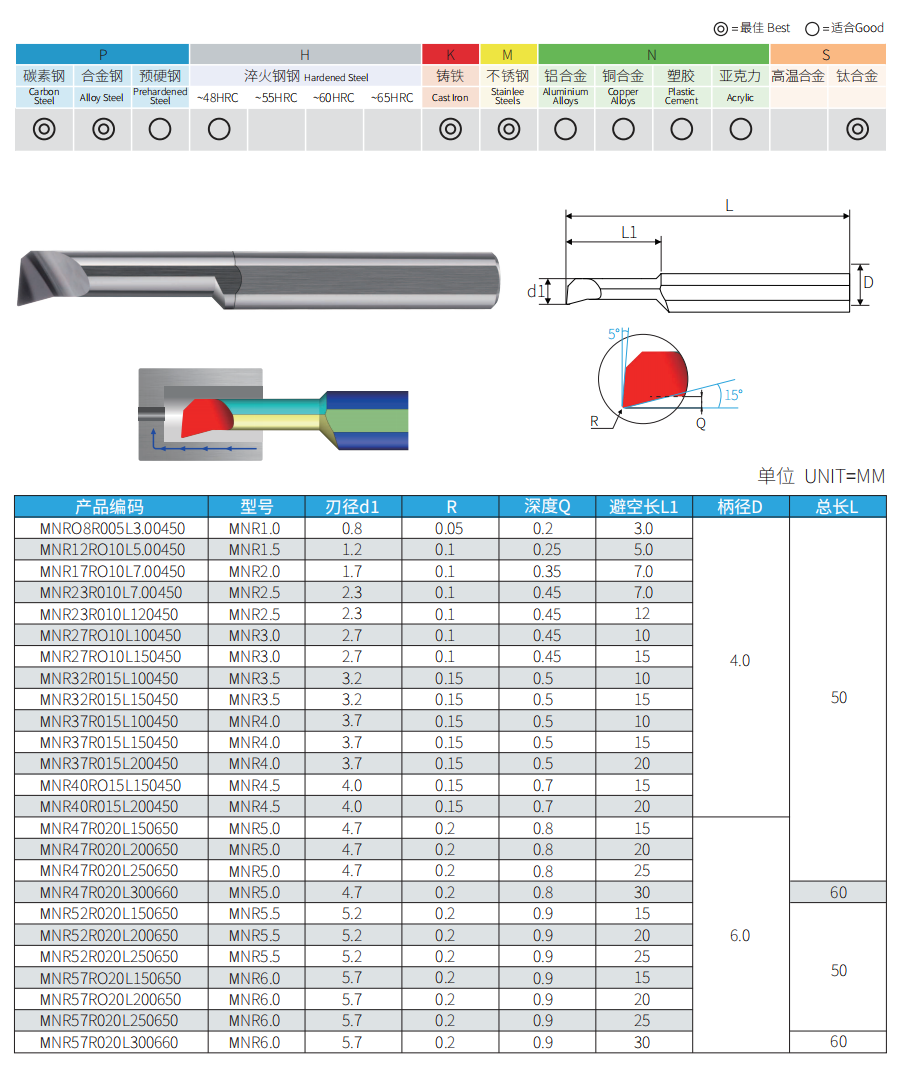
All dimensions are shown in millimeters. Select the model according to cutting diameter, tip radius, cutting depth, effective length and available bore clearance.
Specification Summary
Standard Model Range
| Model | d1 | R | Q | Available L1 | D | L |
|---|---|---|---|---|---|---|
| MNR1.0 | 0.8 | 0.05 | 0.20 | 3 | 4 | 50 |
| MNR1.5 | 1.2 | 0.10 | 0.25 | 5 | 4 | 50 |
| MNR2.0 | 1.7 | 0.10 | 0.35 | 7 | 4 | 50 |
| MNR2.5 | 2.3 | 0.10 | 0.45 | 7 / 12 | 4 | 50 |
| MNR3.0 | 2.7 | 0.10 | 0.45 | 10 / 15 | 4 | 50 |
| MNR3.5 | 3.2 | 0.15 | 0.50 | 10 / 15 | 4 | 50 |
| MNR4.0 | 3.7 | 0.15 | 0.50 | 10 / 15 / 20 | 4 | 50 |
| MNR4.5 | 4.0 | 0.15 | 0.70 | 15 / 20 | 4 | 50 |
| MNR5.0 | 4.7 | 0.20 | 0.80 | 15 / 20 / 25 / 30 | 6 | 50 / 60 |
| MNR5.5 | 5.2 | 0.20 | 0.90 | 15 / 20 / 25 | 6 | 50 |
| MNR6.0 | 5.7 | 0.20 | 0.90 | 15 / 20 / 25 / 30 | 6 | 50 / 60 |
Model Selection Guidance
Cutting diameter d1: Confirm that the tool cutting head and neck provide sufficient clearance inside the bore.
Tip radius R: Match the radius to the required internal corner, profile and surface-finish requirement.
Cutting depth Q: Select a model whose rated Q value is equal to or greater than the required radial machining depth.
Effective length L1: Use the shortest practical length that can reach the complete machined feature.
Holder selection: Match the Ø4 or Ø6 mm shank to a suitable precision holder or clamping sleeve.
Related Micro Internal Tooling Series
General Internal Boring: MTR Series
Precision Internal Grooving: MGR Series
Radius Internal Grooving: MKR Series
We support distributors, tooling suppliers and industrial partners with flexible OEM and private label solutions for micro internal tooling products. From laser marking and customized packaging to product identification and technical documentation, we help customers build their own tooling product lines with reliable manufacturing support.
OEM Product Scope
We provide OEM and private label manufacturing solutions for micro internal tooling products, supporting distributors and tooling suppliers with standard series, customized specifications and drawing-based production.
MPR series and customized small-diameter boring tools for precision internal machining and anti-vibration applications.
MIR/MIL series with customized thread profiles, dimensions and product identification requirements.
Internal grooving and special groove solutions for miniature precision components.
Non-standard dimensions, special geometries and customer drawing-based tooling solutions are available.

Customization Options
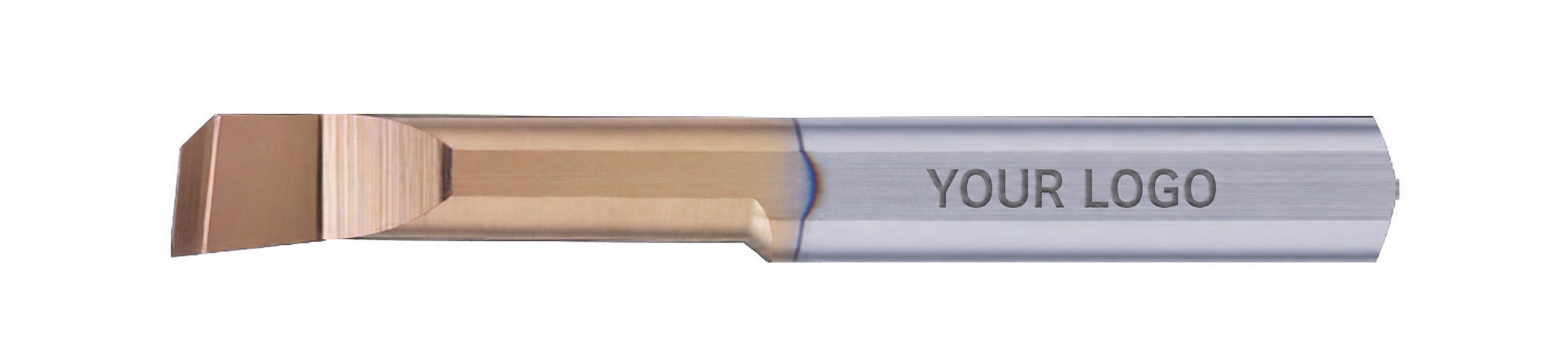
Laser Marking & Product Identification
Custom logo, model number and product identification marking can be provided according to distributor and brand requirements.
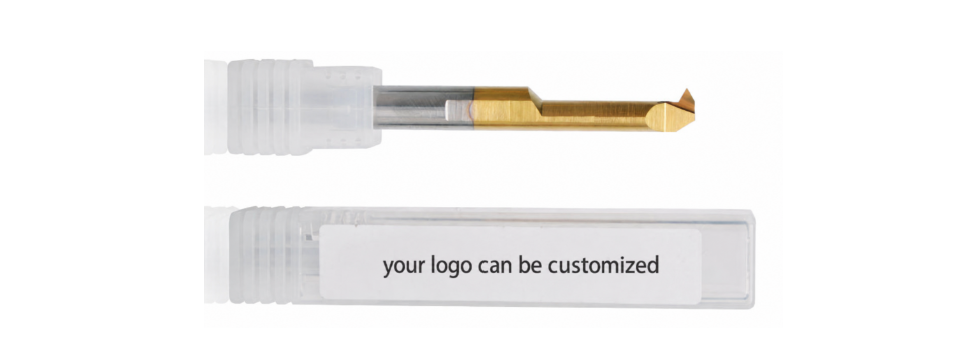
Custom Packaging
Individual packaging, labels and product information can be customized to support reseller sales channels and private brand development.
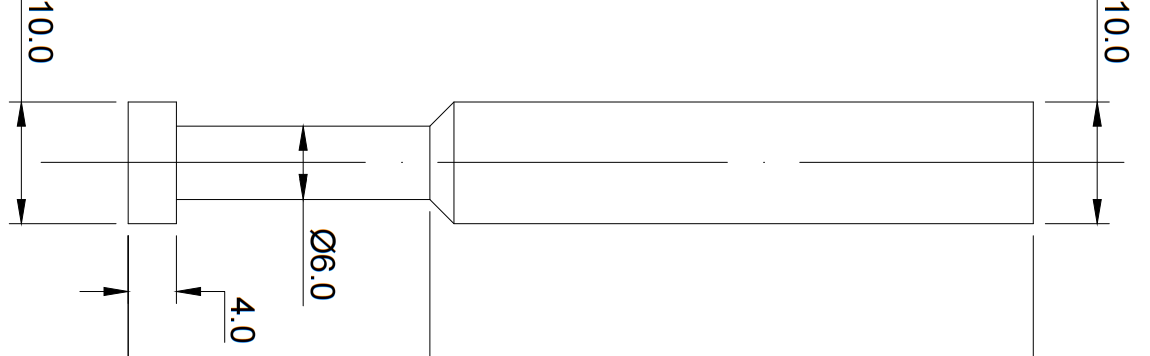
Technical Documents & Product Support
Support technical drawings, specifications and product information to help distributors promote and manage their tooling products.
OEM Workflow
Confirm drawings, specifications, materials and packaging requirements.
Finalize tool design, marking details and production requirements.
Provide samples for testing and approval before batch production.
Produce and inspect according to confirmed requirements.
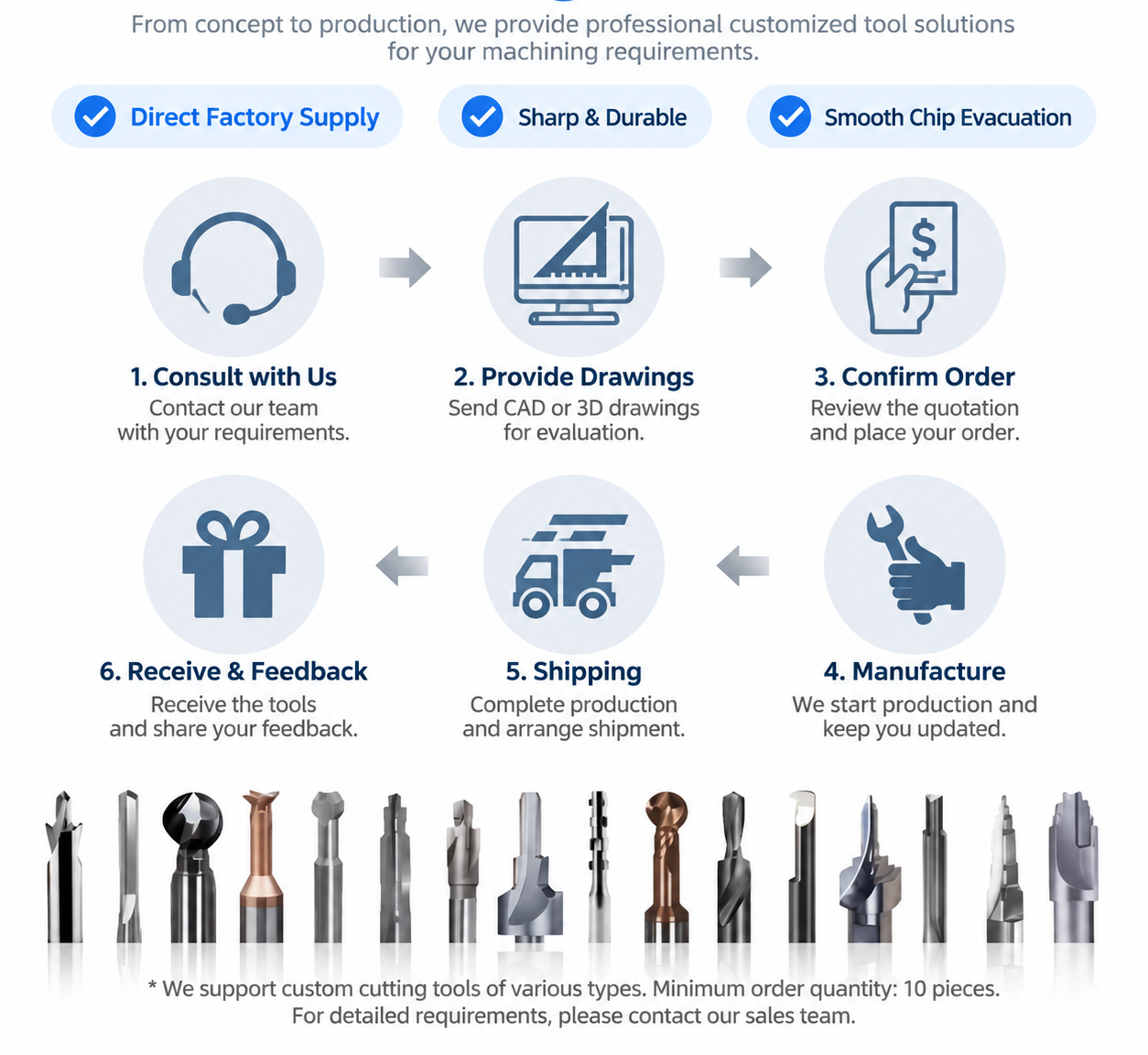
Private Label Support for Distributors
For distributors and tooling resellers, we provide flexible private label support including customized marking, packaging solutions and product documentation to help establish a professional tooling product range.
We follow strict quality control procedures from raw material inspection to final shipment. Each tool is inspected to ensure consistent dimensions, cutting performance and reliable quality for industrial machining applications.
Quality Control Process
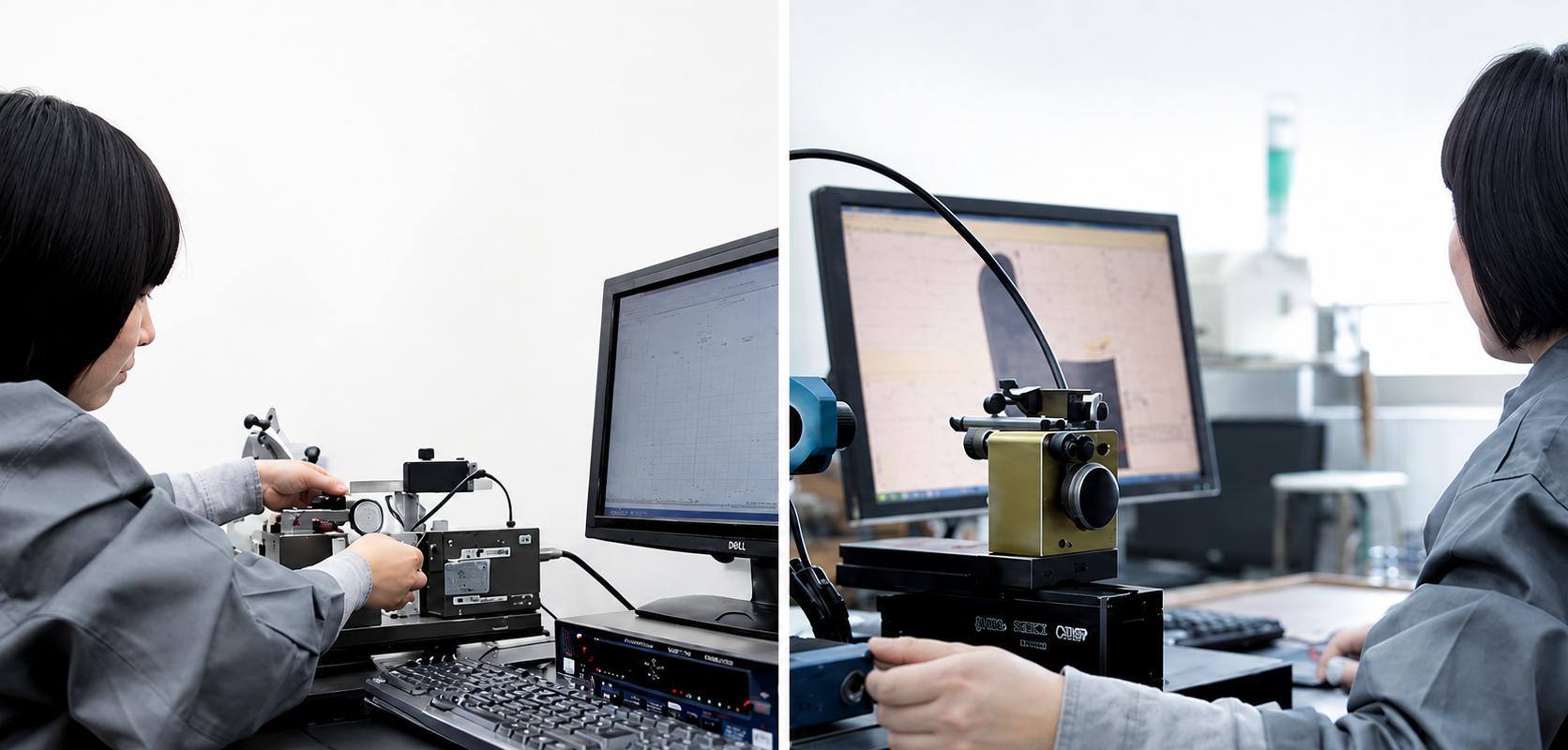
Verify carbide material quality and consistency before production.
Control tool geometry, dimensions and cutting edge accuracy during manufacturing.
Inspect edge quality and surface finish to maintain stable cutting performance.
Confirm product specifications before packing and shipment.
Inspection Standards
| Inspection Item | Purpose |
|---|---|
| Material Inspection | Verify carbide quality and material consistency. |
| Dimension Inspection | Confirm tool size and tolerance requirements. |
| Cutting Edge Inspection | Check edge geometry and surface quality. |
| Final Inspection | Ensure products meet confirmed specifications before delivery. |
Packing & Protection
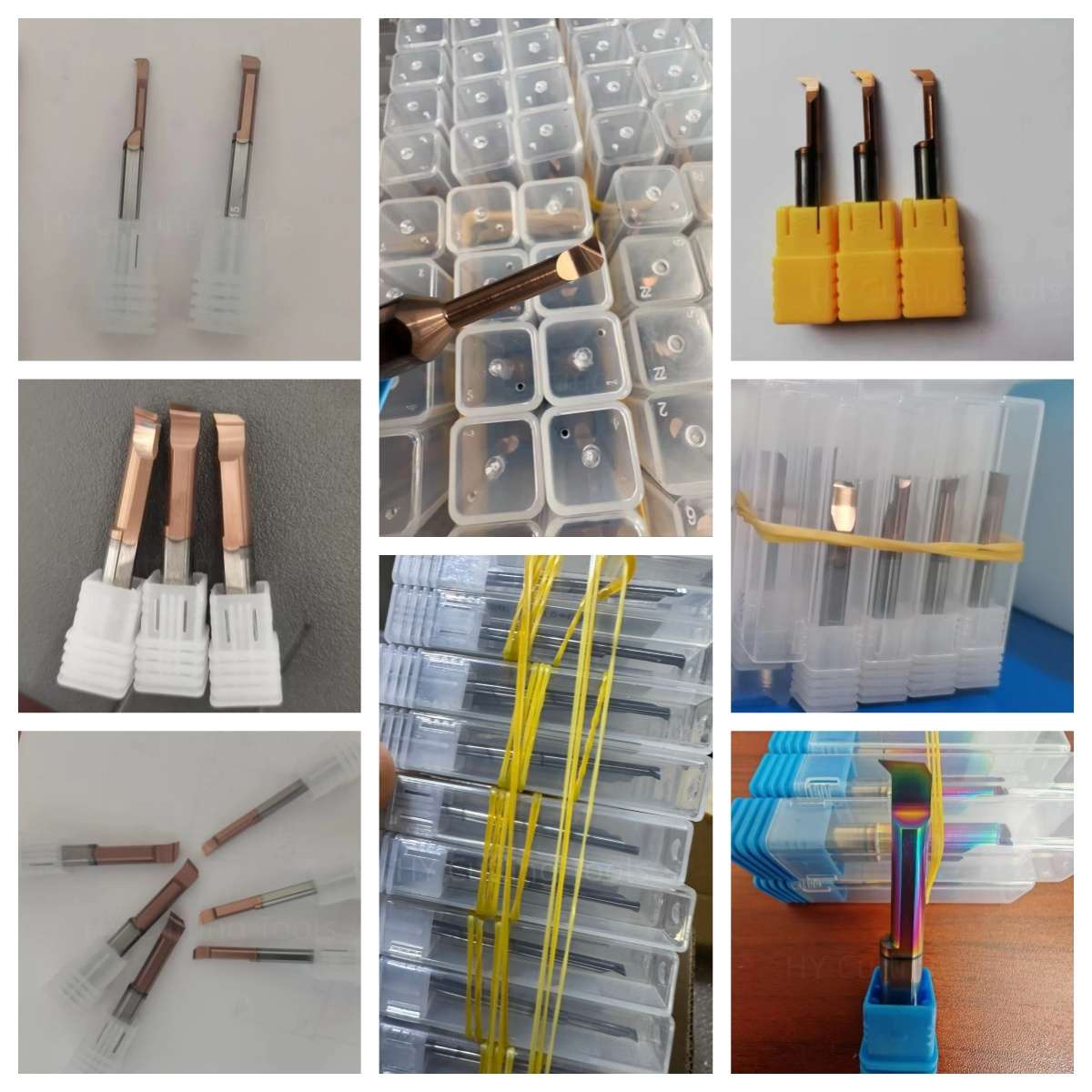

Individual protection and export packaging help prevent tool damage during storage and international transportation.
- Individual tool protection
- Product identification labels
- Batch traceability support
- Export shipment protection
Production & Delivery Workflow
Order Confirmation
Production Scheduling
Quality Inspection
Packing
Shipment
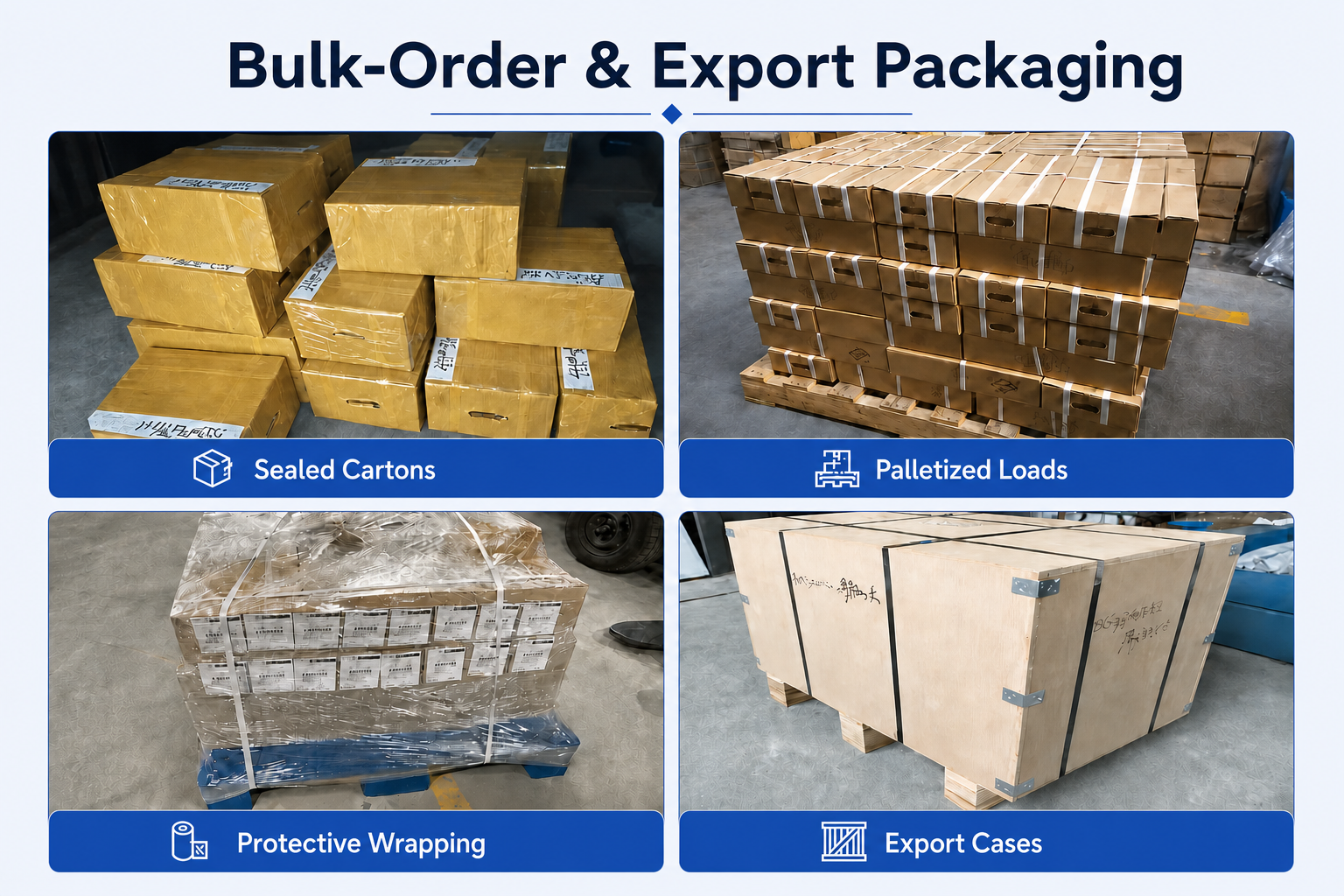

Delivery Support
Standard products can usually be shipped within 1–3 working days after order confirmation. Customized products require confirmation according to tool design, quantity and production requirements.
FAQ & Downloads
Product FAQs
What is the MNR micro internal grooving and boring bar used for?
The MNR series is designed for precision internal boring, shallow grooving, shoulder finishing and simple internal profiling in small-diameter bores. Its solid carbide construction provides the rigidity required for miniature components and restricted internal features.
What cutting diameter range is available?
Standard MNR models cover cutting diameters from Ø0.8 mm to Ø5.7 mm. Select a cutting diameter smaller than the finished bore while allowing sufficient clearance for tool entry, cutting and retraction.
Can one MNR tool perform both boring and grooving?
Yes. The MNR geometry supports small-bore internal turning and shallow grooving with the same tool. This can reduce tool changes when machining internal diameters, short shoulders, relief features and shallow grooves in one setup.
What do d1, R, Q and L1 represent?
In the MNR dimension chart, d1 is the cutting diameter, R is the tool-nose radius, Q is the recommended cutting or grooving depth, and L1 is the effective machining length. These dimensions should be checked against the component drawing before selecting a model.
What tip radii and cutting depths are available?
Standard tip radii range from R0.05 mm to R0.20 mm, while cutting depths range from approximately 0.20 mm to 0.90 mm. The available value depends on the selected cutting diameter and model.
What materials can be machined with MNR tools?
Typical applications include carbon steel, alloy steel, stainless steel, cast iron and titanium alloys. Selected pre-hardened steels, aluminium alloys, copper alloys and engineering plastics can also be machined with suitable cutting parameters and edge preparation.
Selection & Application FAQs
How do I select the correct MNR model?
Select the model according to the bore diameter, required cutting diameter, groove or shoulder depth, tip radius, effective length, shank diameter and workpiece material. The tool must have sufficient cutting and retraction clearance inside the bore.
Which effective machining lengths are available?
Standard effective lengths range from 3 mm to 30 mm, depending on the cutting diameter. Use the shortest length that can reach the feature to obtain better rigidity, reduced vibration and more stable dimensional accuracy.
What shank diameters and overall lengths are available?
Standard shank diameters are Ø4 mm and Ø6 mm. Most tools have an overall length of 50 mm, while selected long-reach models are supplied with a 60 mm overall length.
How can I improve machining stability?
Keep the tool overhang as short as possible, use a rigid precision holder and carefully control tool runout and center height. Start with conservative cutting parameters and increase them gradually according to the workpiece material, bore depth and machine rigidity.
Can the MNR tool be moved sideways to widen an internal groove?
Limited axial or profiling movement may be possible, but the tool path must remain within the clearance provided by the tool geometry. For wider or deeper internal grooves, an MGR internal grooving bar may be more suitable. Confirm the machining path before production.
Is coolant recommended for small-bore machining?
Coolant is recommended when appropriate for the workpiece material. Directing coolant toward the cutting edge helps control temperature and remove chips from the bore. Chip accumulation should be avoided, especially when machining deep or blind holes.
What is the difference between MNR, MTR and MGR tools?
MNR tools combine small-bore boring with shallow grooving and profiling capability. MTR tools are primarily intended for internal boring and diameter finishing, while MGR tools are designed for defined internal grooves with specified groove widths and depths.
Ordering & OEM FAQs
Can MNR micro boring and grooving bars be customized?
Yes. Cutting diameter, tip radius, cutting depth, effective length, shank diameter, overall length, cutting geometry and coating can be customized according to component drawings, tool drawings or reference samples.
What information is required for a quotation?
Please provide the standard model or required cutting diameter, tip radius, machining depth, effective length, bore diameter, workpiece material, required quantity and component drawing. Coating, laser marking and packaging requirements should also be specified.
What is the minimum order quantity?
The standard minimum order quantity is 10 pieces. Mixed-model and sample-order requirements can be reviewed according to the selected sizes, quantity and available stock.
Do you provide OEM and private-label services?
Yes. OEM services can include custom laser marking, model identification, branded labels and private-label packaging for cutting-tool distributors and industrial suppliers.
What is the lead time for MNR tools?
In-stock standard models can normally be dispatched within 1–3 working days after order confirmation. Lead time for customized tools depends on the dimensions, geometry, coating, quantity and production requirements.
Technical Resources
Need Sizes, Pricing or Custom Options?
Send us the required tool type, sizes, quantities, workpiece material and any OEM or custom requirements. We will confirm suitable specifications, availability, lead time and quotation details.
Drawings, size lists and reference photos are welcome.