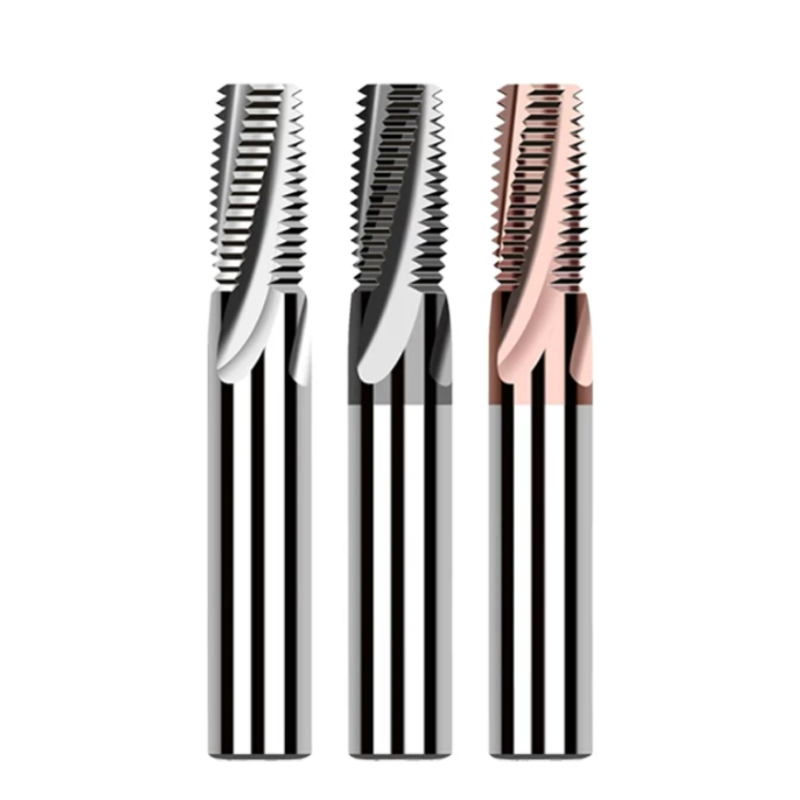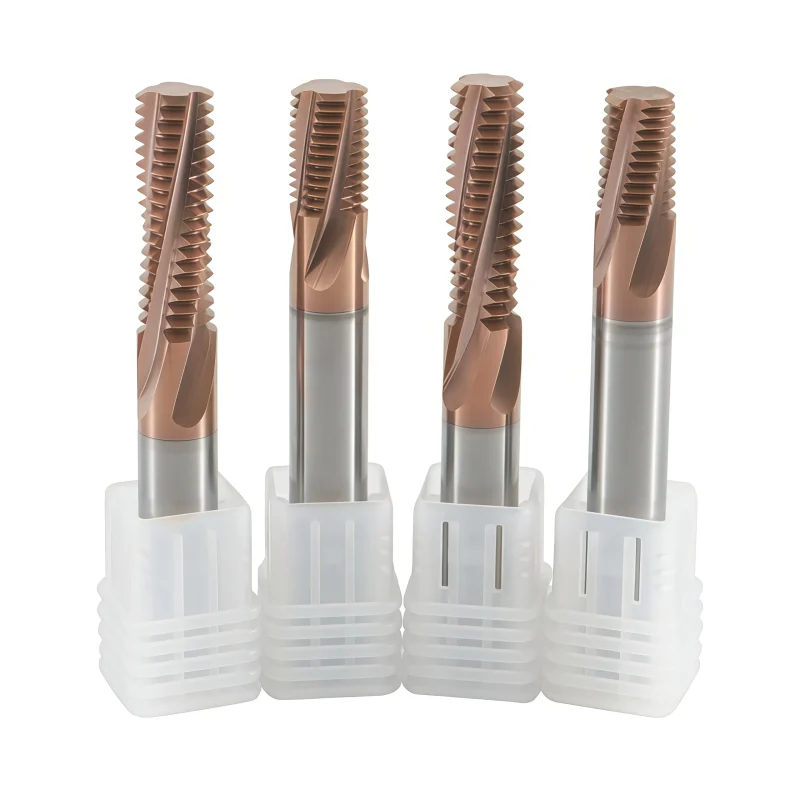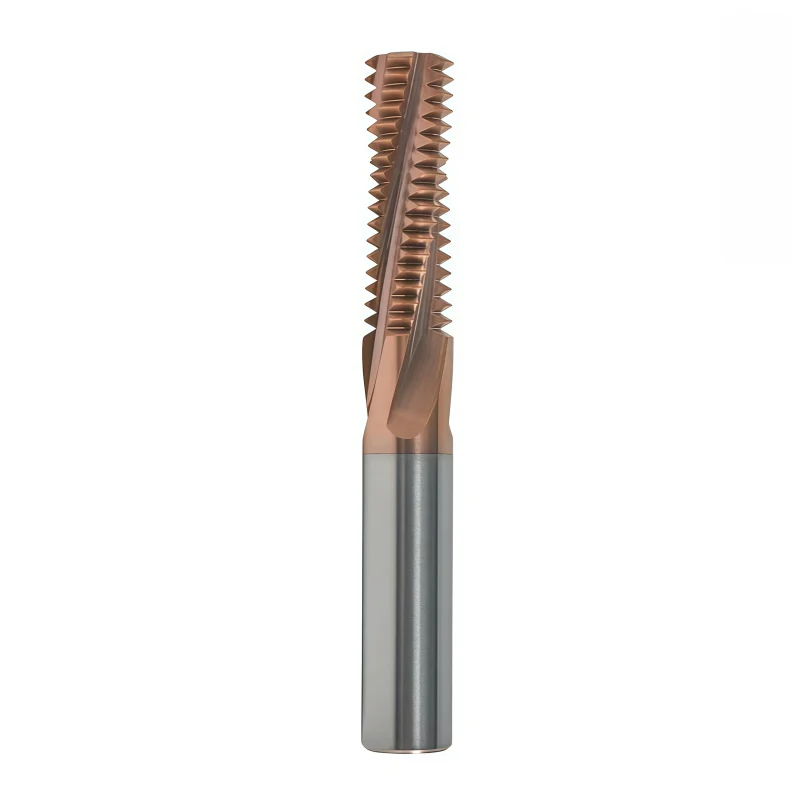

Solid Carbide 29 Degree ACME Thread Mill for Internal Power Threads
SOLID CARBIDE 29° ACME THREAD MILL
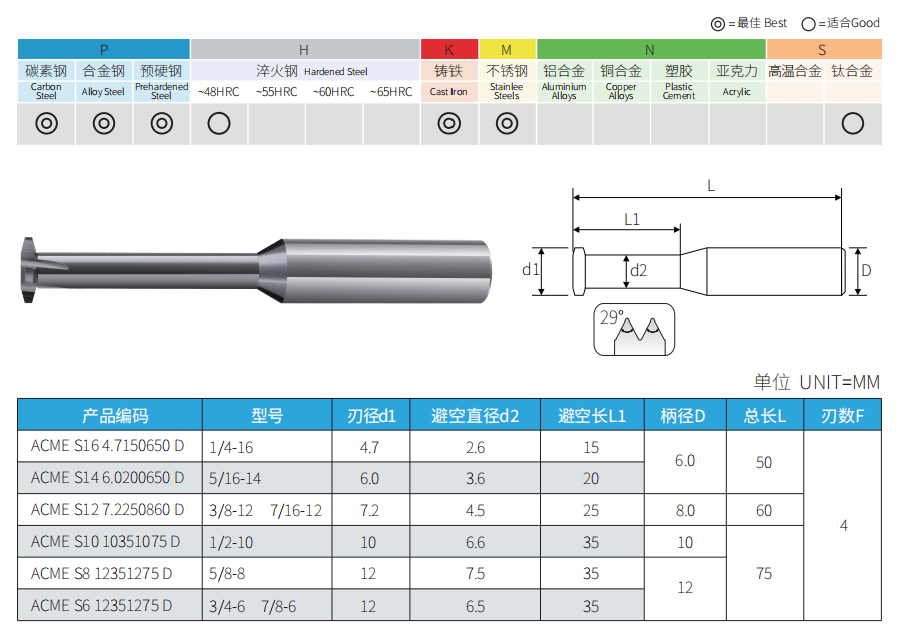
Precision CNC thread milling for 29° internal ACME power threads. Pitch-specific four-flute cutters cover 6–16 TPI and the explicitly listed thread sizes from 1/4-16 to 7/8-6.
Product Configuration
Kualitas yang Konsisten
Geometri yang konsisten pada setiap pesanan berulang.
Pesanan Fleksibel
Tersedia dalam jumlah kecil dan berbagai ukuran.
Dukungan OEM
Penandaan khusus, label, dan kemasan.
Standar & Khusus
Ukuran standar dan konfigurasi khusus.
29° ACME Thread Mill Overview
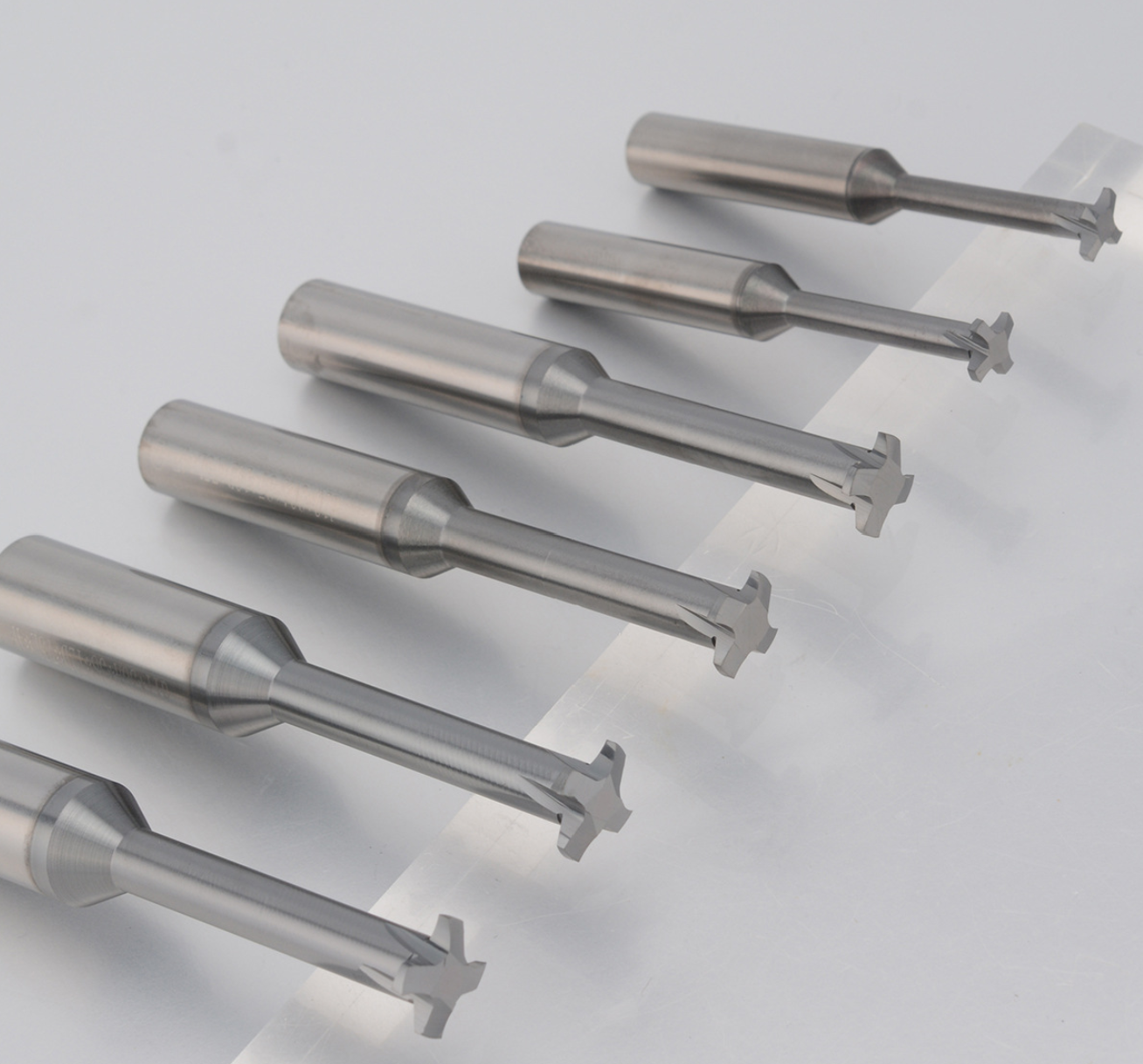
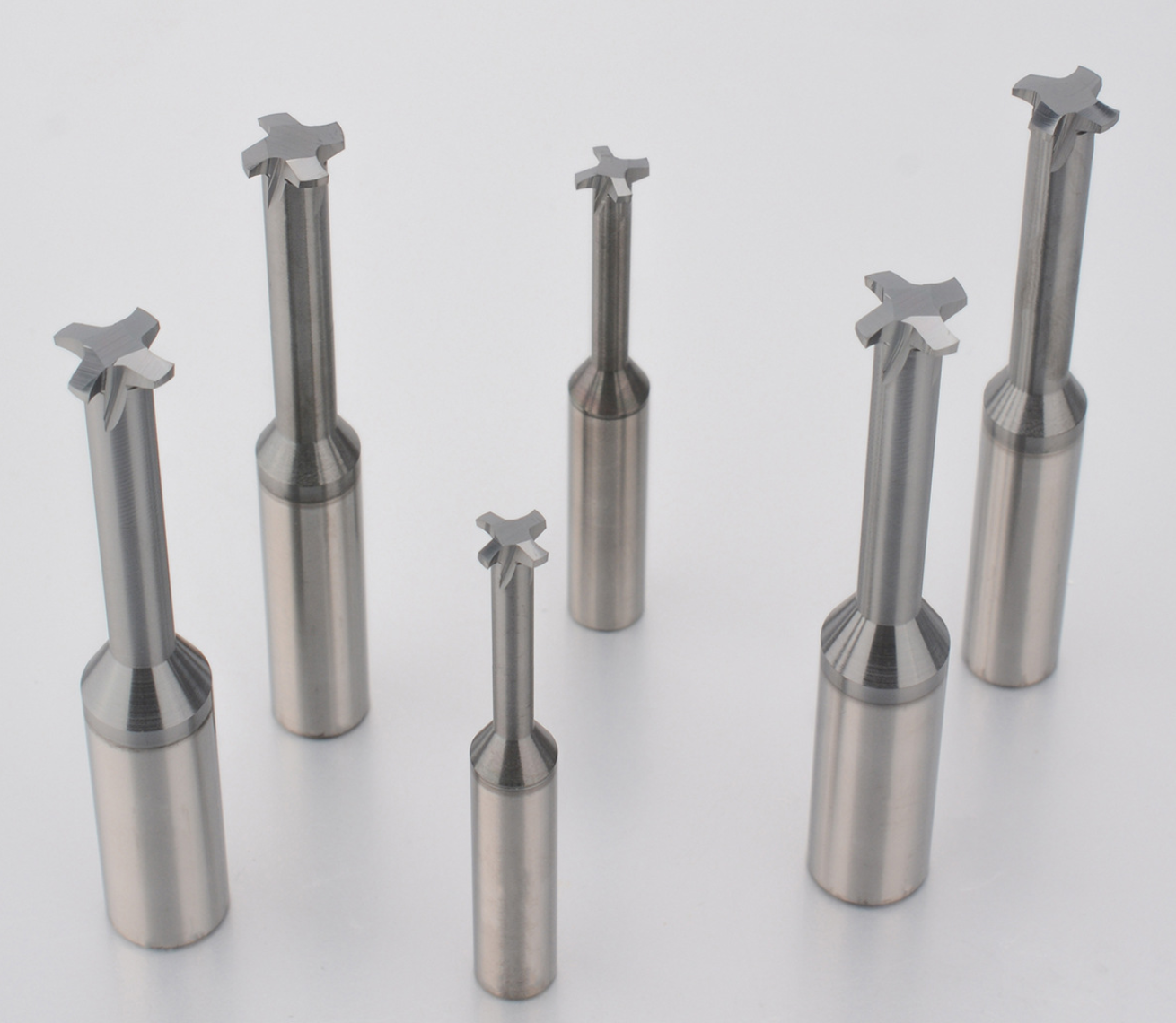
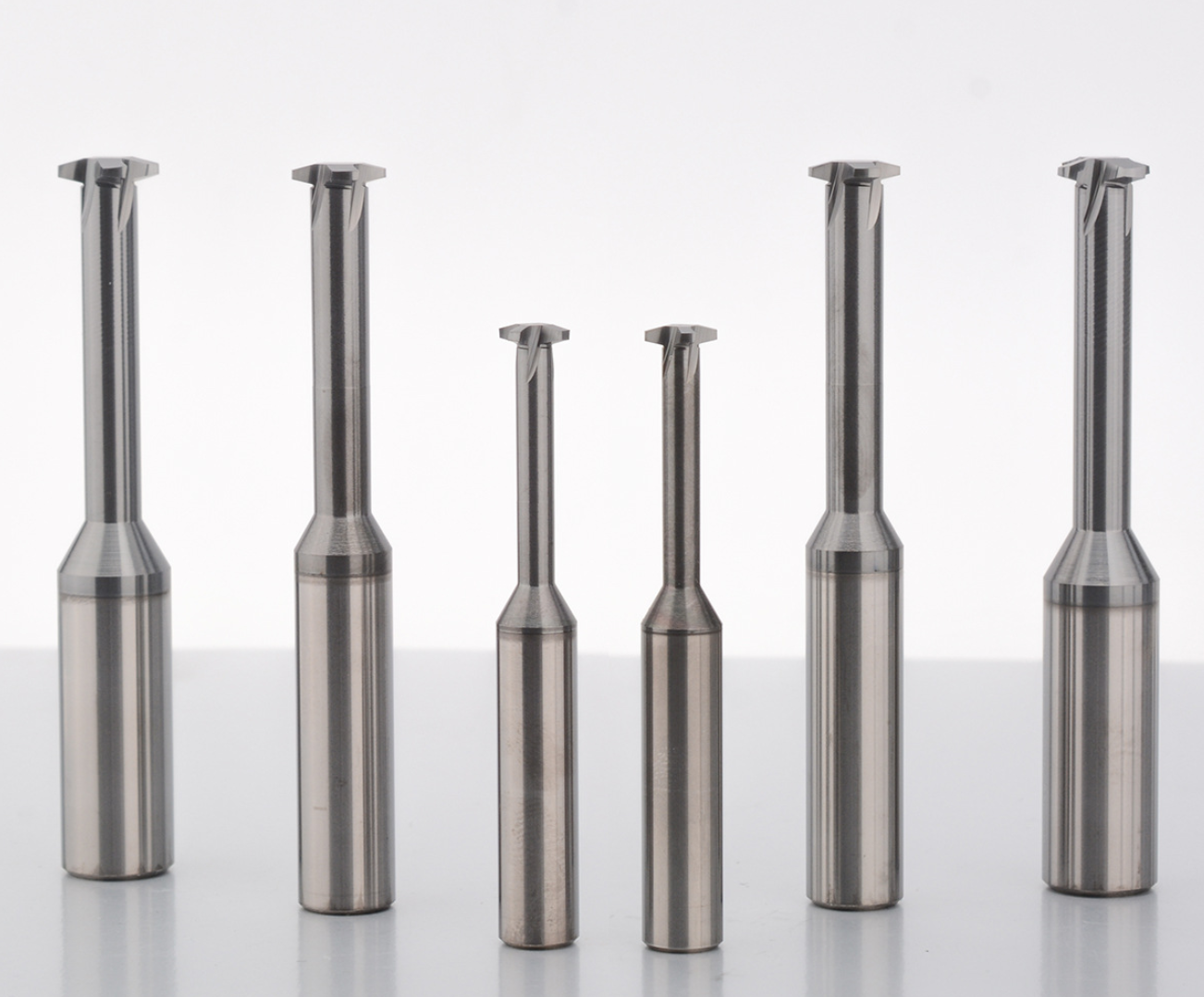
These solid carbide thread mills are engineered for CNC machining of 29° internal ACME power threads. Six pitch-specific cutter groups cover the catalog-listed sizes from 1/4-16 to 7/8-6. A single cutter can produce the nominal diameters shown within its model group by changing the helical interpolation diameter, while its thread pitch remains fixed. The four-flute geometry, relieved neck and rigid carbide construction support stable machining, controlled thread profiles and repeatable results in carbon steel, alloy steel, pre-hardened steel, cast iron and stainless steel. Custom dimensions, coatings, marking and private-label packaging are available for distributor and OEM requirements.
Key Configuration
Pitch-Specific 29° Profile
Each cutter is ground for one ACME pitch. The CNC interpolation path controls the approved nominal diameter, but the tool cannot be used for a different TPI.
Four-Flute Solid Carbide
All standard models use four flutes. Cutter diameters from Ø4.7 to Ø12 mm and matching shanks from Ø6 to Ø12 mm support rigidity across the range.
Relieved-Neck Access
Neck diameters from Ø2.6 to Ø7.5 mm and L1 lengths from 15 to 35 mm provide clearance for internal helical interpolation.
Flexible Diameter Control
Thread size can be fine-adjusted through CNC cutter compensation without changing the pitch-specific cutting geometry.
Machining Advantages
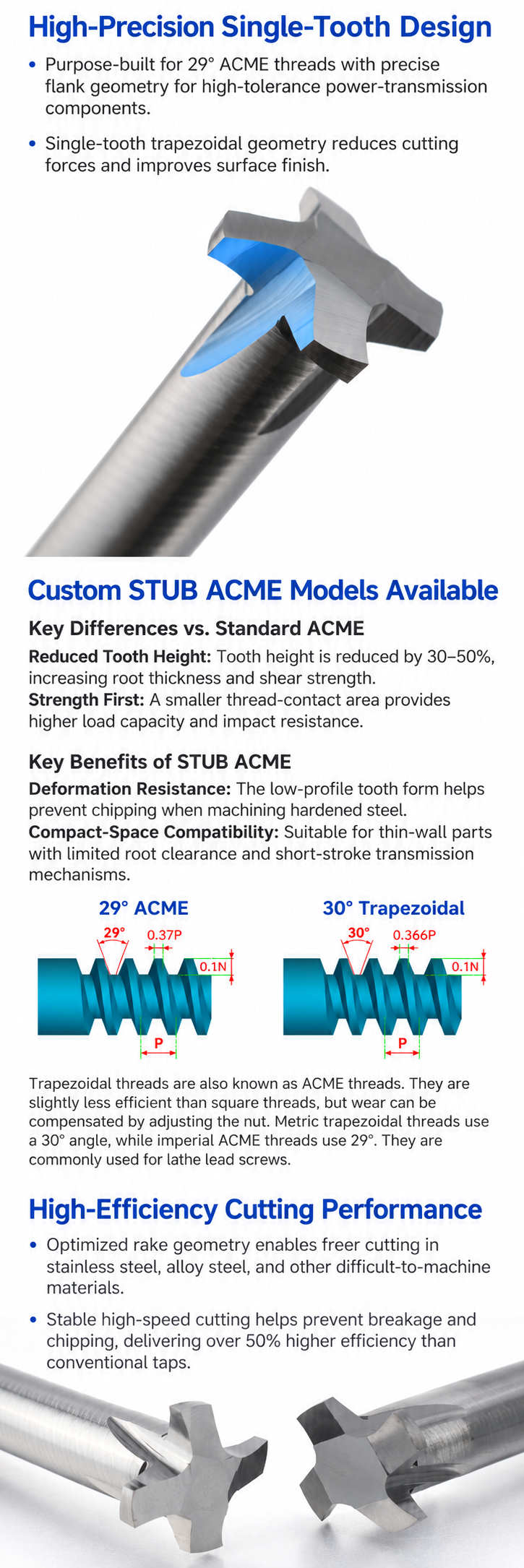
Controlled 29° Form
Precision-ground geometry supports the flank form required for ACME power-thread applications.
Lower Breakage Risk
Thread milling produces the thread by interpolation and allows controlled radial engagement rather than full-form tapping load.
Diameter Compensation
CNC compensation helps control finished thread size and supports correction for tool wear.
Blind-Hole Capability
The relieved-neck design supports internal blind-hole machining when sufficient bottom and entry clearance are provided.
Standard Thread Groups
Select the cutter by TPI first, then confirm that the required nominal ACME size is explicitly listed within that model group.
| TPI | Catalog-Listed ACME Sizes | Cutter Groups |
|---|---|---|
| 16 TPI | 1/4-16 | 1 |
| 14 TPI | 5/16-14 | 1 |
| 12 TPI | 3/8-12 / 7/16-12 | 1 |
| 10 TPI | 1/2-10 | 1 |
| 8 TPI | 5/8-8 | 1 |
| 6 TPI | 3/4-6 / 7/8-6 | 1 |
Bahan Bahan Baku yang Direkomendasikan
The supplied application chart rates carbon steel, alloy steel, pre-hardened steel, cast iron and stainless steel as primary materials. Approximately 48 HRC hardened steel and titanium alloys are conditional applications requiring confirmation of carbide grade, coating and cutting data.
ISO K — Best
ISO M — Best
ISO S — Application Review
Product Geometry & Standard Size Range
The reference chart shows the 29° ACME profile, cutter diameter d1, relieved-neck diameter d2, clearance length L1, shank diameter D and overall length L.
Application & Machining Videos
ACME Thread Milling Application Process
Tool Geometry & Product Detail
Specifications & Standard Sizes
All dimensional values are in millimetres. The 29° cutting profile is intended for internal ACME power threads. d1 is the cutter diameter, d2 is the relieved-neck diameter, L1 is the clearance length, D is the shank diameter, L is the overall length and F is the flute count.
Technical Configuration
| PARAMETER | STANDARD RANGE | SELECTION NOTE |
|---|---|---|
| ACME Thread Range | 1/4-16 to 7/8-6 as specifically listed | Select only a nominal size shown for the chosen TPI group |
| Pitch | 6 / 8 / 10 / 12 / 14 / 16 TPI | Each cutter is dedicated to one TPI |
| Cutter Dia. d1 | Ø4.7–Ø12 mm | Confirm entry into the prepared bore and interpolation clearance |
| Neck Dia. d2 | Ø2.6–Ø7.5 mm | Confirm radial clearance and neck rigidity |
| Clearance Length L1 | 15 / 20 / 25 / 35 mm | Must exceed the required working depth with safe entry clearance |
| Shank Dia. D | Ø6 / Ø8 / Ø10 / Ø12 mm | Match a precision low-runout holder |
| Panjang Total L | 50 / 60 / 75 mm | Use the shortest practical overhang |
| Flute Count F | 4 | Four flutes on all standard models |
Standard 29° ACME Size Matrix
Select the required TPI and confirm the exact nominal ACME size listed in the corresponding model row.
| PRODUCT CODE | ACME SIZE | d1 | d2 | L1 | D | L | F |
|---|---|---|---|---|---|---|---|
| ACME S16 4.7150650 D | 1/4-16 | 4.7 | 2.6 | 15 | 6 | 50 | 4 |
| ACME S14 6.0200650 D | 5/16-14 | 6.0 | 3.6 | 20 | 6 | 50 | 4 |
| ACME S12 7.2250860 D | 3/8-12 / 7/16-12 | 7.2 | 4.5 | 25 | 8 | 60 | 4 |
| ACME S10 10351075 D | 1/2-10 | 10 | 6.6 | 35 | 10 | 75 | 4 |
| ACME S8 12351275 D | 5/8-8 | 12 | 7.5 | 35 | 12 | 75 | 4 |
| ACME S6 12351275 D | 3/4-6 / 7/8-6 | 12 | 6.5 | 35 | 12 | 75 | 4 |
How to Select
Starting Cutting & Programming Guidance
- Prepare the bore to the drawing requirement before thread milling.
- Use CNC helical interpolation and program the lead from the selected TPI.
- Begin with conservative cutting data and radial engagement, especially on coarse 6–8 TPI threads.
- Use a precision low-runout holder and keep tool overhang as short as practical.
- Apply suitable coolant or air blast to control heat and chip evacuation.
- Adjust the finished thread through cutter compensation, then inspect the first component before batch production.
Sumber Daya Teknis
29° ACME Thread Mill Customization
Solid carbide 29° ACME thread mills are available for precision CNC machining of internal power threads. Six standard pitch-specific groups cover 6–16 TPI and the catalog-listed sizes from 1/4-16 to 7/8-6. Custom thread geometry, relieved-neck dimensions, reach, shank, overall length, carbide grade, edge preparation and coating can be reviewed according to the component drawing, ACME class and allowance, workpiece material, thread depth, machine capability and inspection method.
| PARAMETER | MANUFACTURING CAPABILITIES |
|---|---|
| Profil Utas | 29° internal ACME form; manufacturing is based on the complete thread callout, class, allowance and approved drawing |
| Rentang Nada | Standard 6 / 8 / 10 / 12 / 14 / 16 TPI groups; each cutter is dedicated to one TPI |
| Standard Size Coverage | 1/4-16, 5/16-14, 3/8-12, 7/16-12, 1/2-10, 5/8-8, 3/4-6 and 7/8-6 as listed in the catalog matrix |
| Cutter Diameter d1 | Standard Ø4.7–Ø12 mm; custom diameter is reviewed against the prepared bore, TPI, nominal size, cutting load and tool strength |
| Relieved-Neck Diameter d2 | Standard Ø2.6–Ø7.5 mm; custom neck diameter is balanced between radial clearance and bending rigidity |
| Clearance Length L1 | Standard 15 / 20 / 25 / 35 mm; custom reach is reviewed according to thread depth, entry clearance, holder access and vibration risk |
| Diameter Batang D | Standard Ø6 / Ø8 / Ø10 / Ø12 mm cylindrical shanks; custom shanks can be reviewed for the selected holder |
| Panjang Total L | Standard 50 / 60 / 75 mm; special overall length is reviewed against machining depth and rigidity |
| Konfigurasi Seruling | All catalog models use four flutes; flute geometry and chip space can be optimized for the material and cutting conditions |
| Carbide & Coating | Fine-grain solid carbide with application-specific coating or edge treatment for steels, cast iron, stainless steel and approved special materials |
| Dimensional Control | Drawing-defined requirements for the 29° form, TPI, d1, d2, L1, D, L, shank accuracy, runout and other critical characteristics can be confirmed before production |
Layanan OEM & Merek Pribadi
OEM manufacturing and private-label supply are available for cutting-tool distributors, tooling brands and repeat-production customers. Product codes, nominal ACME size, TPI, coating reference, customer logo, labels and protective packaging can be configured according to the approved technical specification.

Laser Etching
Custom logos, product codes, ACME size, TPI, coating reference and batch number can be marked according to the available shank area.
Custom Labels & Packaging
Individual protective tubes, TPI-coded labels and private-label packaging can be prepared for distributor and OEM programs.
Commercial Terms
In-stock standard tools can normally be dispatched in 1–2 working days. Minimum order is 10 pieces per size; custom samples and repeat supply are confirmed by specification.
Technical Workflow
A structured review confirms the ACME callout, TPI, workpiece material, tool dimensions, cutting geometry, coating and identification before standard, customized or private-label tools enter production.
Inquiry
Submit the ACME size and TPI, class, thread depth, bore, material, machine, coating and quantity.
Engineering
Review the 29° form, TPI, d1, d2, L1, D, L, carbide, flute geometry and coating.
Commercial
Confirm quotation, MOQ, sample conditions, schedule, marking, packaging and delivery terms.
Production
Carbide preparation, CNC profile and flute grinding, edge preparation, coating and laser marking.
Quality Control
Inspect the 29° form, TPI-specific geometry, dimensions, runout, edges, coating and identification.
Quality, Inspection & Delivery
Our solid carbide 29° ACME thread mills are controlled through carbide material verification, precision CNC grinding, in-process measurement and final inspection. The TPI-specific 29° profile, cutter diameter d1, relieved-neck diameter d2, clearance length L1, shank diameter D, overall length L, four-flute geometry, radial runout, cutting-edge condition, coating appearance and identification are checked against the selected standard model or approved custom drawing before packing.

Three-Stage Quality Control
Inspection checkpoints are arranged throughout production to support 29° thread-form accuracy, TPI consistency, relieved-neck control and repeat-order traceability.
Incoming Material Control
Carbide substrate grade, blank diameter, blank length and supplied material information are checked against the confirmed tool specification.
In-Process Grinding Control
The 29° profile, specified TPI, four-flute geometry, d1, d2, L1 and shank dimensions are monitored during precision CNC grinding.
Final Tool Inspection
Finished tools are reviewed for product code, TPI group, specified dimensions, runout, cutting edges, coating, laser marking and packing labels.
Key Inspection Characteristics
Inspection requirements are confirmed according to the selected standard model and the approved ACME thread specification or custom drawing.
| INSPECTION ITEM | CONTROL FOCUS | CONFIRMATION BASIS |
|---|---|---|
| 29° ACME Form & TPI | Included angle, flank geometry, tooth spacing and specified TPI | Product code, ACME callout and approved manufacturing specification |
| Cutter Diameter d1 | Cutting-section diameter and dimensional consistency | Standard size matrix or approved drawing |
| Neck Diameter d2 & Length L1 | Radial clearance, relieved-neck diameter and usable reach | Selected model, thread depth and drawing requirements |
| Shank D & Overall Length L | Shank diameter, overall length, straightness and holder interface | Catalog dimensions or approved custom drawing |
| Four-Flute Geometry | Flute count, cutting-edge continuity, rake and clearance condition | Manufacturing specification and visual measurement standard |
| Runout & Edge Condition | Radial runout, chipping, burrs and cutting-edge consistency | Internal inspection criteria and approved order requirement |
| Coating & Identification | Surface appearance, coverage, product code, TPI and batch marking | Approved coating, marking and packaging specification |
Batch Identification & Repeat-Order Control
Product codes, TPI groups, dimensional records, coating information and order references are retained to support consistent repeat supply. Custom tools are manufactured against the approved drawing revision and inspection requirements.
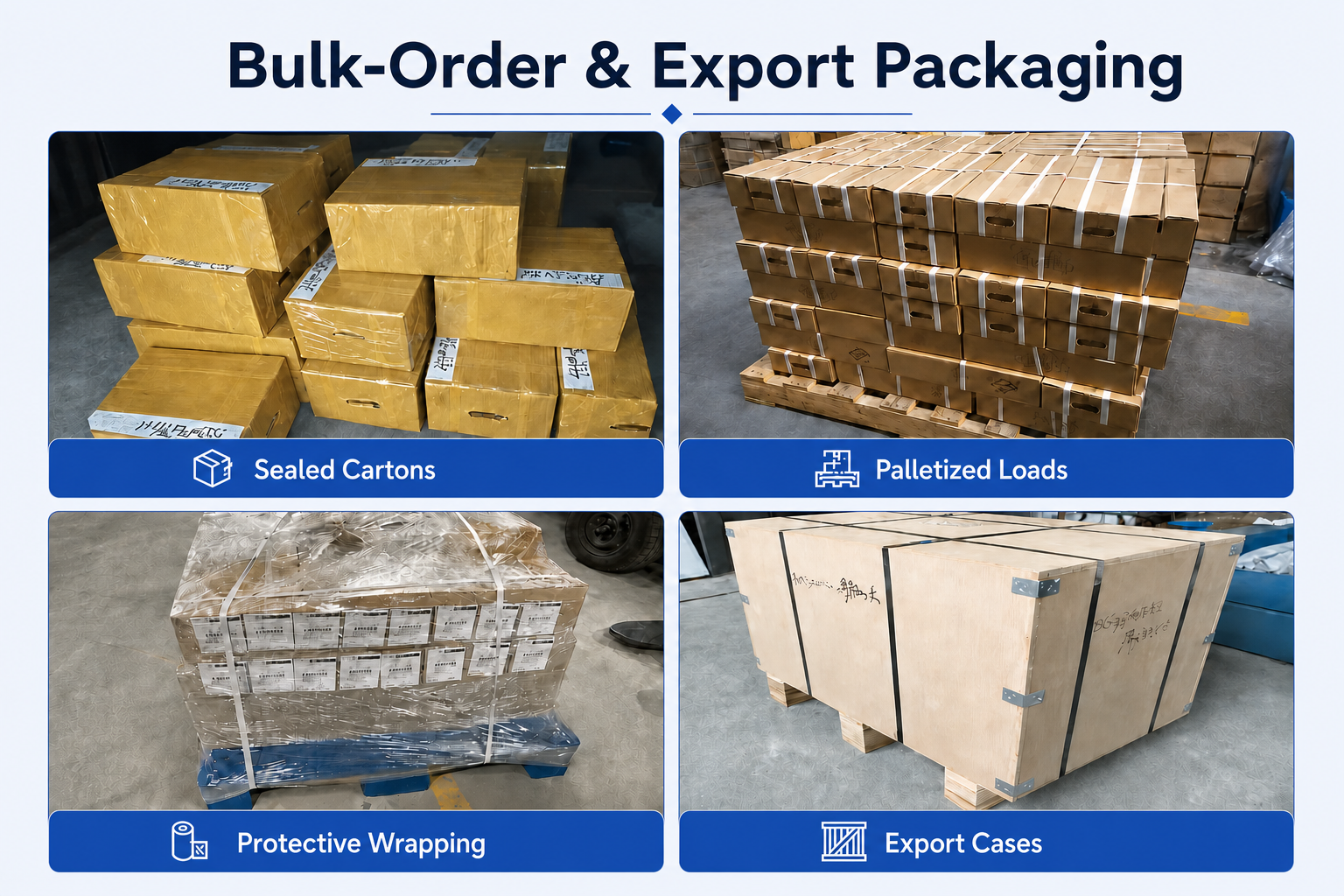
Bulk-Order & Export Packaging
Bulk orders of standard and custom ACME thread mills can be arranged with TPI groups separately labelled, together with reinforced cartons, protective wrapping, palletized loading or export cases according to quantity and transportation requirements.

Delivery Coordination
In-stock standard tools can normally be dispatched within 1–2 working days. Minimum order is 10 pieces per size. Custom-tool lead time is confirmed after the ACME thread specification, TPI, dimensions, material application, coating, quantity, inspection, marking and packaging requirements are approved.
Pertanyaan Umum & Unduhan
Review common selection, programming and ordering questions for solid carbide 29° ACME thread mills used to produce internal power threads. Topics include TPI-specific selection, nominal-diameter coverage, prepared bores, thread depth, material application, finished-thread inspection and customization.
Product & Application FAQs
Selection and application guidance for precision CNC ACME thread milling.
What type of thread is this cutter designed to machine?
It is designed for internal ACME power threads with a 29° included profile. It is not a 30° metric trapezoidal TR cutter, a 60° Unified thread mill or a 55° pipe-thread cutter. Confirm the complete ACME designation, class and allowance before selecting a model.
Can one cutter machine several ACME thread diameters?
Yes, when the nominal diameters are listed within the same TPI-specific model group. The CNC interpolation diameter is changed to produce the approved thread diameter. The cutter pitch is fixed, so a 12-TPI tool cannot produce 10 TPI or another pitch.
How do I select the correct product code?
Start with the exact nominal ACME diameter and TPI, then select the catalog row that explicitly lists that combination. Confirm cutter diameter d1, relieved-neck diameter d2, clearance length L1, shank diameter D, overall length L, prepared-bore diameter, thread depth and holder clearance.
Does the catalog specify the ACME thread class and allowance?
No. The supplied chart identifies the nominal size, TPI and 29° form but does not state a finished-thread class or allowance. These requirements must come from the component drawing. Use the specified gauge, approved mating component or agreed measurement method for acceptance.
Can the cutter be used for blind internal threads?
Yes, provided a suitable bore has already been prepared and adequate bottom clearance is available. Confirm thread depth against L1, allow room for entry and retraction, maintain effective chip evacuation and ensure the shoulder and shank cannot contact the component.
Which workpiece materials are suitable?
The application chart rates carbon steel, alloy steel, pre-hardened steel, cast iron and stainless steel as primary materials. Approximately 48 HRC hardened steel and titanium alloys are conditional applications. Confirm carbide grade, coating, cutting data, coolant and expected tool life for harder or special materials.
How should the toolpath and finished thread be controlled?
Use CNC helical interpolation with the lead calculated from the selected TPI. Use a precision low-runout holder, keep overhang short and begin with conservative radial engagement and cutting data. Adjust finished size through cutter compensation and inspect the first thread before batch production.
Ordering & Customization FAQs
Information for distributors, tooling brands and customers sourcing standard or custom ACME thread mills.
What standard sizes are available?
The catalog contains six cutter groups covering 6–16 TPI and eight listed nominal sizes from 1/4-16 to 7/8-6. Cutter diameters are Ø4.7–Ø12 mm, neck diameters Ø2.6–Ø7.5 mm, L1 lengths 15–35 mm, shanks Ø6–Ø12 mm and overall lengths 50 / 60 / 75 mm. All standard models use four flutes.
Can you manufacture a custom ACME thread mill?
Yes. Custom nominal size, TPI, cutter diameter d1, relieved-neck diameter d2, reach L1, shank D, overall length L, flute geometry, carbide grade, edge preparation and coating can be reviewed. Please provide the complete thread drawing, class, allowance, bore, thread depth, bottom clearance, material, machine restrictions, inspection requirement and quantity.
Are OEM marking and private-label packaging available?
Yes. Laser marking can include the customer logo, product code, ACME size, TPI, coating code and batch number. Application-specific coatings, custom labels, protective tubes and private-label packaging can also be reviewed for distributor and OEM programs.
What are the MOQ and lead time?
The minimum order is 10 pieces per size. In-stock standard tools can normally be dispatched within 1–2 working days. Custom-tool lead time is confirmed after the ACME specification, geometry, dimensions, carbide grade, coating, quantity, inspection, marking and packaging requirements are approved.
Technical Downloads
Access dimensional and application references for solid carbide 29° ACME thread mills.
Solid Carbide Thread Mills Catalog
Thread-mill families, thread standards, pitch ranges and dimensional configurations.
29° ACME Size Chart
Standard product codes, listed ACME sizes, TPI groups and tool dimensions.
Starting data should be confirmed according to cutter diameter, TPI, material and hardness, coating, thread depth, overhang, coolant, holder runout and machine rigidity. Verify the first completed thread before batch production.
Related Guides & Thread Mill Resources
Selection guidance for thread profile, pitch, cutter style, diameter, depth and material.
Compare flexibility, size coverage, breakage risk and machining applications.
Browse metric, Unified, pipe-thread, trapezoidal and material-specific thread mill series.
Butuh informasi mengenai ukuran, harga, atau opsi khusus?
Kirimkan kepada kami jenis alat yang dibutuhkan, ukuran, jumlah, bahan benda kerja, serta persyaratan OEM atau khusus apa pun. Kami akan mengonfirmasi spesifikasi yang sesuai, ketersediaan, waktu tunggu, dan rincian penawaran harga.
Gambar, daftar ukuran, dan foto referensi sangat kami harapkan.