L'outillage en tant que système : 9 raisons choquantes pour lesquelles un maillon faible tue votre productivité CNC
Tooling as a system is the most overlooked factor in CNC machining efficiency.
Manufacturers invest heavily in premium carbide end mills, advanced coatings, and high-performance CNC machines. Feeds and speeds are optimized, CAM strategies refined, and operators trained.
Yet many shops still struggle with short tool life, vibration, poor surface finish, and unpredictable results.
Why?
Because tooling is often treated as individual components, not as a complete system.
In this article, we will explain why tooling as a system is critical to machining performance, how tool holders directly impact cost per part, and how optimizing the entire tooling system can dramatically improve productivity, stability, and profitability.
📑 Table of Contents
- What Does “Tooling as a System” Really Mean?
- Why Tool Holders Are the Weakest Link in CNC Machining
- Runout: The Invisible Enemy of Tool Life
- Vibration and Chatter: How Poor Tooling Systems Kill Productivity
- The Real Cost of Ignoring Tool Holders
- Building a High-Performance Tooling System
- Hydraulic vs Shrink Fit Holders: Which Is Right?
- How Tooling as a System Reduces Cost Per Part
- Practical Checklist: Is Your Tool Holder Costing You Money?
- Conclusion: Optimize the System, Not Just the Tool
1. What Does “Tooling as a System” Really Mean?
Tooling as a system means viewing the cutting process as an integrated chain:
CNC Spindle → Tool Holder → Cutting Tool → Workpiece
Each component affects the others.
The performance of the entire system is defined by its weakest link.
Even the best carbide end mill cannot perform as designed if:
- The holder introduces runout
- Clamping force is inconsistent
- Vibration is amplified
- Balance is poor at high RPM
In other words, a premium tool in a poor holder behaves like a cheap tool.
2. Why Tool Holders Are the Weakest Link in CNC Machining
Tool holders are often treated as “standard accessories.”
In reality, they are critical precision components.
A worn or low-quality holder can cause:
- Excessive radial runout
- Uneven flute loading
- Micro-chipping
- Accelerated coating wear
- Sudden tool breakage
According to Sandvik Coromant, even minimal runout can reduce tool life by more than 30%.
This is why tooling as a system starts with the holder.
3. Runout: The Invisible Enemy of Tool Life
Tooling as a system begins with controlling runout
Runout refers to how much the cutting tool deviates from its true rotational center.
Even 3–5 microns of runout can:
- Overload one flute
- Cause uneven wear
- Increase vibration
- Destroy surface finish
For multi-flute end mills, one flute may do most of the cutting while others rub, generating heat and premature failure.
Premium holders typically guarantee <3 µm runout, while standard collets often exceed 10 µm.
🔗 External reference: CNC Cookbook – Runout Explained
4. Vibration and Chatter: How Poor Tooling Systems Kill Productivity
Vibration is not just a quality issue.
It is a productivity limiter.
When vibration occurs:
- Operators reduce feeds and speeds
- Depth of cut is limited
- Tool life becomes unpredictable
- Machine capability is wasted
A rigid, well-damped holder is essential for tooling as a system to function properly.
Hydraulic and shrink-fit holders offer superior damping compared to traditional ER collets.
🔗 Kennametal Resources – Catalogs, Calculators, Blog & More!
5. The Real Cost of Ignoring Tool Holders
Many shops focus on tool price, not cost per part.
Let’s break it down:
Hidden Costs of a Poor Tooling System:
- Frequent tool replacement
- Unplanned downtime
- Scrap and rework
- Reduced cutting parameters
- Poor process repeatability
A $30 tool that lasts 3× longer and runs 20% faster is cheaper than a $10 tool that fails early.
This is where tooling as a system directly impacts profitability.
6. Building a High-Performance Tooling System
To optimize tooling as a system, focus on these elements:
A. High-Precision Tool Holders
- Hydraulic holders for vibration damping
- Shrink-fit holders for maximum rigidity
B. Balanced Tool Assemblies
- Essential for high-speed machining
- Reduces centrifugal forces
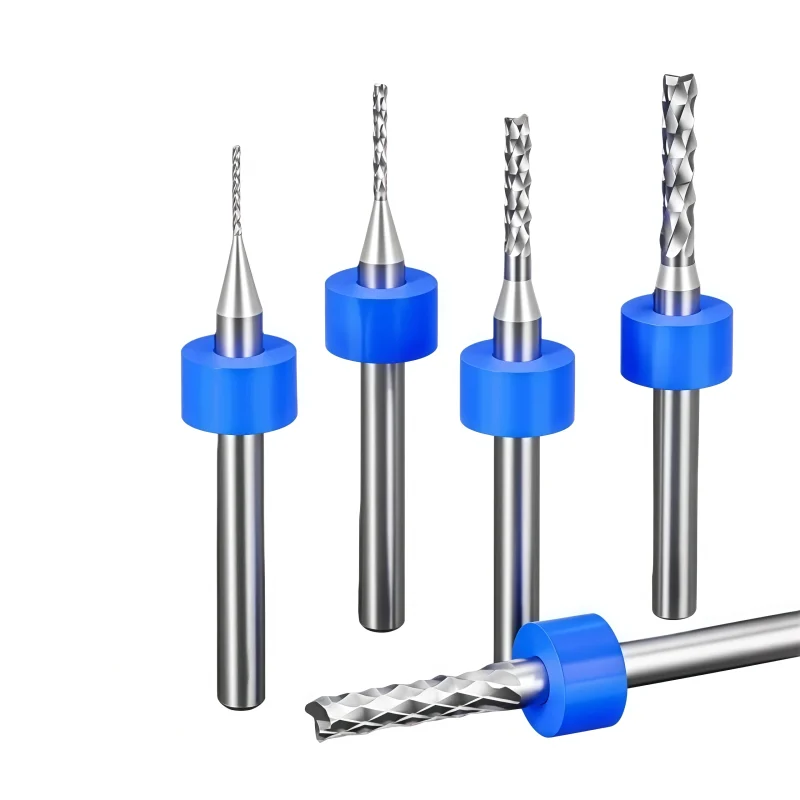
C. Quality Cutting Tools
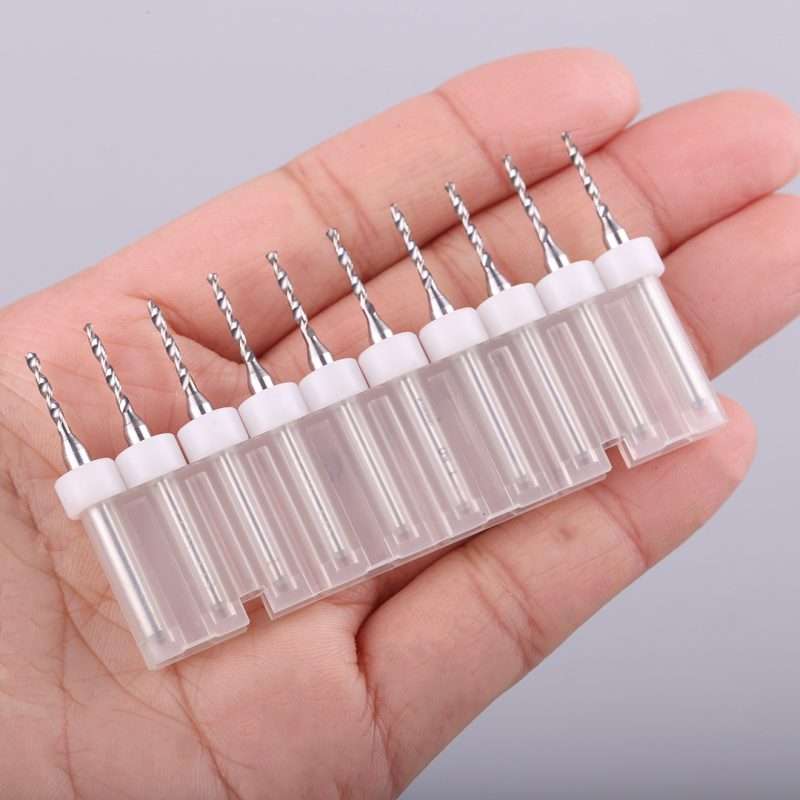
- Micrograin carbide
- Advanced PVD coatings
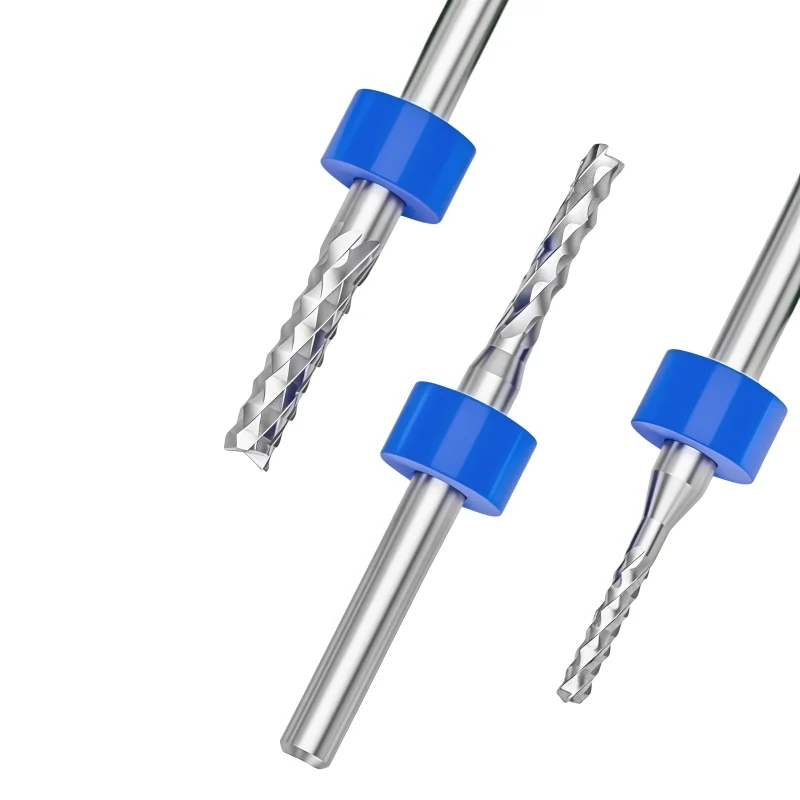
Carbide End Mill – HY Cutting Tools
D. Proper Assembly and Maintenance
- Clean tapers
- Correct clamping torque
- Regular inspection
7. Hydraulic vs Shrink Fit: Which Holder Fits Your System?
| Feature | Hydraulic Holder | Shrink Fit Holder |
|---|---|---|
| Runout | Excellent | Excellent |
| Damping | Very high | Moderate |
| Rigidity | High | Very high |
| Tool Change | Easy | Requires heating |
| Meilleur pour | Finishing, vibration control | High-speed, heavy cutting |
Both can be effective when used correctly within a tooling as a system approach.
8. How Tooling as a System Reduces Cost Per Part
When the system is optimized, manufacturers achieve:
- Predictable tool life
- Higher feeds and speeds
- Lower scrap rate
- Stable quality
- Better OEE
This transforms tooling from a variable cost into a controlled investment.
9. Checklist: Is Your Tool Holder Costing You Money?
Ask yourself:
- Do tools fail earlier than expected?
- Is surface finish inconsistent?
- Do you avoid aggressive parameters due to vibration?
- Are tool life results unpredictable?
If yes, your tooling as a system needs attention.
10. Conclusion: Optimize the System, Not Just the Tool
The future of efficient machining is not about buying the most expensive tool.
It is about optimizing the entire tooling system.
When the spindle, holder, and tool work as one, you unlock:
- Maximum machine capability
- Stable, repeatable performance
- Lower cost per part
- Higher profitability
Tooling as a system is not a theory. It is a competitive advantage.
📩 Need Help Optimizing Your Tooling System?
Au Outils de coupe HY, we help manufacturers select the right cutting tools and holders as a complete system, not isolated products.
👉 Contact us for a free tooling system evaluation.
👉 WhatsApp / Email / Inquiry Form