เครื่องมือตัดตามสั่งในปริมาณน้อย: สิ่งที่ผู้ซื้อควรถามผู้ผลิต
Your customer needs a few custom reamers or step drills. Before you quote, confirm the minimum quantity for each design, any sample or setup charges, and when the tools can ship.
This guide explains what to ask a manufacturer when sourcing small-batch custom cutting tools, including drawing confirmation, sample approval, mixed-size orders and repeat supply. For tool types and customization options, see our custom cutting tools page.
คำตอบสั้นๆ
Get these six points in writing before confirming your customer’s price and deadline.
Requirement and drawing
Whether the tool is stocked, modified or newly designed, plus the part requirements and drawing revision.
MOQ and first-order costs
MOQ for each design, first-order charges and prices for trial and repeat quantities.
Approval and inspection
How new samples will be approved, or how repeats will match the accepted drawing.
Prototype and repeat lead time
When lead time starts, and whether the quoted date means dispatch or arrival.
Mixed sizes and packaging
Separate quantities, codes and labels for each specification.
Repeat-order control
Which drawing and sample the repeat order follows, and how changes will be agreed.
รายชื่อบท — Browse article sections
Confirm the Requirement and Drawing
When Low-Volume Custom Tooling Makes Sense
A non-standard reamer diameter, special step drill or restricted-access end mill may justify custom tooling for a short run. Ask whether the supplier can use a stocked tool, modify a standard one or needs to make a new design.
- Stocked tool: an existing specification meets the job.
- Modified standard tool: a suitable base tool is altered to an approved length or end configuration.
- New custom tool: geometry requires a separate design and manufacturing review.
KYOCERA SGS’s tooling services distinguish alterations from specials. Ask whether the standard tool can be modified and whether coating or inspection needs to change. A fast lead time for a modification may not apply to a new design.
- New or revised design: identify open requirements; request drawing review, sample cost and a trial schedule.
- Approved repeat design: send the accepted drawing and sample reference. Highlight tool or application changes that may require another trial.
Send the feature to machine, material and access restrictions with a part drawing, tool code or sample. Worn cutting dimensions need checking before they become manufacturing targets.

What to Send for a Custom Tool Quote
| Item | Information to include |
|---|---|
| Tool reference | Tool type; drawing, code or sample reference; units. |
| Material & operation | Workpiece material, operation and setup restrictions. |
| Part requirements | Finished-part dimensions, tolerances and surface finish. |
| Tool specification | Tool dimensions, drawing revision and critical tool tolerances. |
| Quantity | Quantity for each drawing or size. |
| Sample trial | Sample purpose and who will test it. |
| Delivery & packaging | Required date, destination and packaging needs. |
If you need help choosing geometry or coating, say so. Ask whether the quote is an estimate or based on a drawing ready for approval. Have your customer approve the tool drawing and any changes before production.
Separate the Part Requirement from the Tool Drawing
For a custom reamer, provide the required finished-hole diameter and tolerance. If you have a tool drawing, list the tool diameter and manufacturing tolerance separately. If the tool diameter has not been specified, send the hole requirements and machining details so the manufacturer can propose a tool size for approval.
State units and drawing revision. Add the machine, holder and coolant details where known. A finished-part tolerance should not automatically become the same tolerance on every tool feature.
MOQ and Costs for Small-Batch Custom Cutting Tools
Confirm whether MOQ applies per drawing, diameter, geometry or coating variant. Shipping several sizes together does not automatically combine their production minimums.
ตัวอย่าง: three sizes at five pieces each make a 15-piece shipment, but may require three separate production runs. Confirm MOQ for each line.
Prototype Quantity and First-Order Charges
Production MOQ and useful trial quantity are different decisions. Confirm what the manufacturer can supply, then agree how many tools the end user needs to evaluate consistency or wear.
Ask whether design, programming, grinding setup, special blanks, coating and extra inspection are included or charged separately.
| Quotation item | Question to ask |
|---|---|
| Tools and samples | What is the quantity and unit price for each specification? |
| Development and setup | Which charges apply to the first order, and which may recur? |
| Coating and inspection | Does the price cover any specified coating and the requested inspection records? |
| Packing and freight | What is included, and what is quoted separately? |
| Repeat order | Can you quote the required trial quantity and a realistic repeat quantity against the same revision? |
Compare quotes for the same drawing revision, quantities, coating and inspection requirements. Add up the first-order charges and freight, and check how long the quote is valid. Keep forecast repeat quantities separate from a firm order.
Agree on Sample Approval and Inspection
For a new or changed design, agree what “sample approved” means before manufacturing. Inspection checks whether the tool matches its drawing; the customer’s machining trial checks whether it works in the intended setup. Agree what must be approved before the remaining quantity is made or shipped.
- Drawing approval: the customer accepts the proposed tool and identified design changes.
- Tool inspection: the manufacturer checks agreed critical features and supplies requested records.
- Machining trial: the end user tests the intended workpiece and setup before the next quantity is released.
Ask for Useful Inspection Records
Agree critical features, tolerance limits, measurement method and reference, and whether every tool or a sample is checked. Request actual measured values with tool or lot identification and drawing revision. Specify any after-coating tolerance requirement and when the report is supplied.
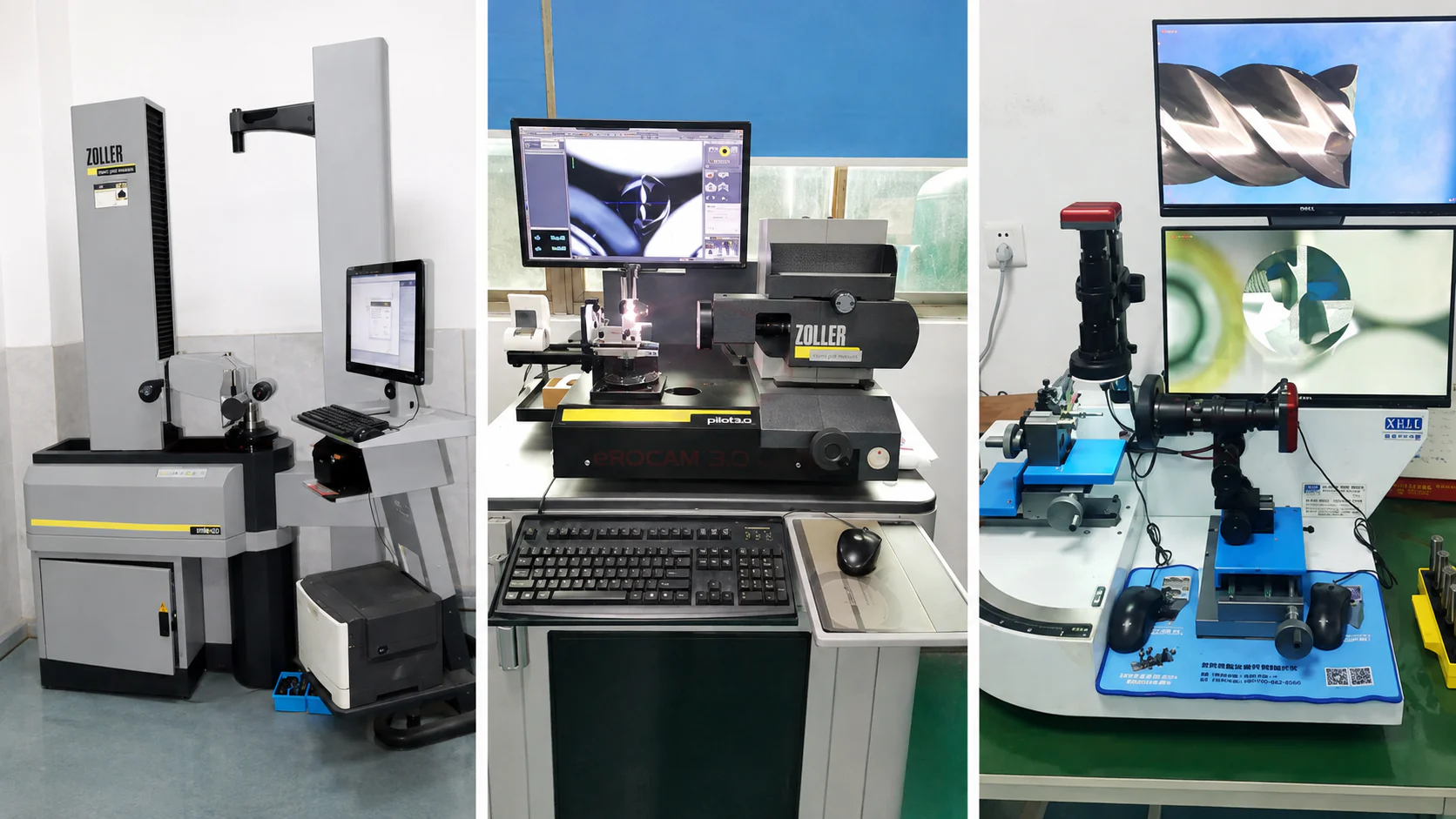
See การผลิตและคุณภาพ for our inspection process. Tool acceptance follows the agreed tool drawing; finished-part acceptance follows the customer’s part requirements.
If the First Sample Is Unsuitable
Keep the drawing revision, sample code and test conditions with the feedback. Use the result to choose the next review:
| Situation | What to review next |
|---|---|
| Tool does not meet the approved drawing | Send measurement records identifying the feature and limits. Ask the supplier to check the deviation and propose corrective action. |
| Tool meets the drawing, but machining is unsatisfactory | Send part measurements, wear photos and actual cutting conditions. Review the tool and setup together before proposing changes. |
| Customer changes the requirement after the trial | Update the drawing. Agree any adjustment cost, new sample quantity and revised schedule before proceeding. |
Agree responsibility, cost and timing in writing. For machining checks, see our cutting tool trial-order guide.
Confirm Prototype and Repeat Lead Time
Separate drawing review, production and shipping. Confirm what starts the schedule: technical approval, payment, material availability or another condition. Check whether the quoted date means dispatch or arrival.
| Order stage | What to confirm |
|---|---|
| First prototype | Time needed for drawing review, blanks, setup, coating and inspection. |
| Revised sample | Which changes need a new drawing or new tool, and when the revised schedule starts. |
| Approved repeat batch | Whether the specification is unchanged and whether material and production capacity are available. |
Give the required arrival date. If samples and the remaining quantity will ship separately, allow for customer approval time and confirm the extra freight cost.
Keep Mixed Sizes Easy to Identify
Give each specification its own order line, with drawing number, revision, tool code, quantity and coating condition. Similar-looking tools may differ in radii, step lengths or tolerances.
- การระบุตัวตน: use separate variant codes and agreed revision or lot references on labels.
- Protection: confirm individual packaging suited to the edges and profile.
- Private label: check separate minimums and charges for boxes, labels and marking.
For early trials, standard protective packaging with clear labels may suffice. Confirm separate marking or packaging charges through our OEM and private-label options.
Record the Specification for Repeat Orders
Keep the approval records together. On repeat orders, state the drawing revision, quantity per design, surface treatment, marking and packaging. Ask the manufacturer to tell you about proposed specification changes before production.
Send changes to material, machining feature or holder setup for review. Previous sample approval applies to the tested application, not every new job.
If tools will be resharpened, ask which features can be restored, which dimensions will change, and whether recoating is needed. Agree the inspection requirements before using a resharpened tool in place of a new one.
Keep These Files With the Order
- Approved specification: drawing number, revision and any agreed technical notes.
- Order terms: itemized quotation, quantity per design and confirmed schedule.
- Acceptance records: agreed measured values, tool or lot reference and customer trial approval where required.
- การระบุตัวตน: tool codes, agreed labels and packing instructions.
Buyer FAQ
What is the MOQ for a small-batch custom tool order?
HY Cutting Tools can often start custom orders from around 3 pcs, depending on tool type, material, size and manufacturing requirements. Send the drawing and quantity for each design so we can confirm the minimum for your order. This is a reference starting quantity, not a fixed MOQ for every tool.
Can I combine different sizes in one order?
Yes, different sizes and tool types can generally ship together. List each drawing or specification with its quantity. We confirm MOQ for each item; adding the quantities together does not automatically meet the production minimum for each custom design.
Can I ask for a quote without a complete tool drawing?
Yes. Send a part drawing, existing tool code, photos or a reference sample, and explain the required change. Include material, quantity and critical part requirements. We can review what is missing; proposed tool dimensions and tolerances still need approval before production.
How long does a small custom-tool batch take?
Simple custom tools often take about 7 days to produce. Some special coatings may add 3–5 days; complex designs need an individual schedule. These are production references, not arrival dates. Confirm when the schedule starts, the expected dispatch date and shipping time before promising delivery to your customer.
What happens if the first sample does not work?
Keep the affected tool and send its code, approved drawing, measurements, wear photos and actual machining conditions. We review whether the issue is a tool deviation, an application problem or a changed requirement. If it is confirmed to be related to the supplied tool, we discuss replacement, remake or another agreed solution. Agree any revision cost and schedule before proceeding.
Will repeat orders match the approved sample?
Repeat orders follow the approved drawing and specification. HY Cutting Tools keeps drawing and order records, reconfirms key dimensions and tolerances, and inspects finished tools before shipment. State the approved revision and sample reference on the order, and highlight application changes. Confirm price and lead time for the new quantity.
ภาพวาดและข้อมูลทางเทคนิคของฉันจะได้รับการรักษาความลับหรือไม่?
Yes. Customer drawings and custom-tool information are treated as confidential and used for quotation, production and quality control. If you have an NDA or other confidentiality requirements, discuss them before sharing sensitive files.
For payment, shipping and import questions, see our คำถามที่พบบ่อยของผู้ซื้อ.
Need a Few Custom Tools?
Send a drawing or tool photo with the material, quantity and required date. We’ll check whether we can make it and confirm MOQ, price and lead time.