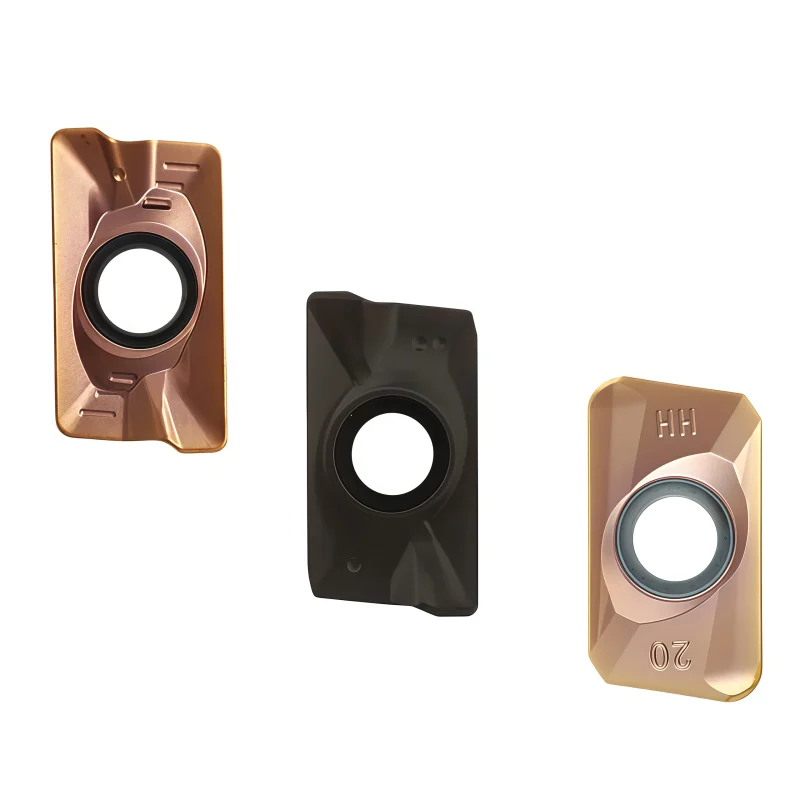
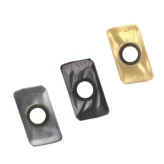
Insertos de metal duro APMT 1135/APMT 1604 para fresado de acero inoxidable
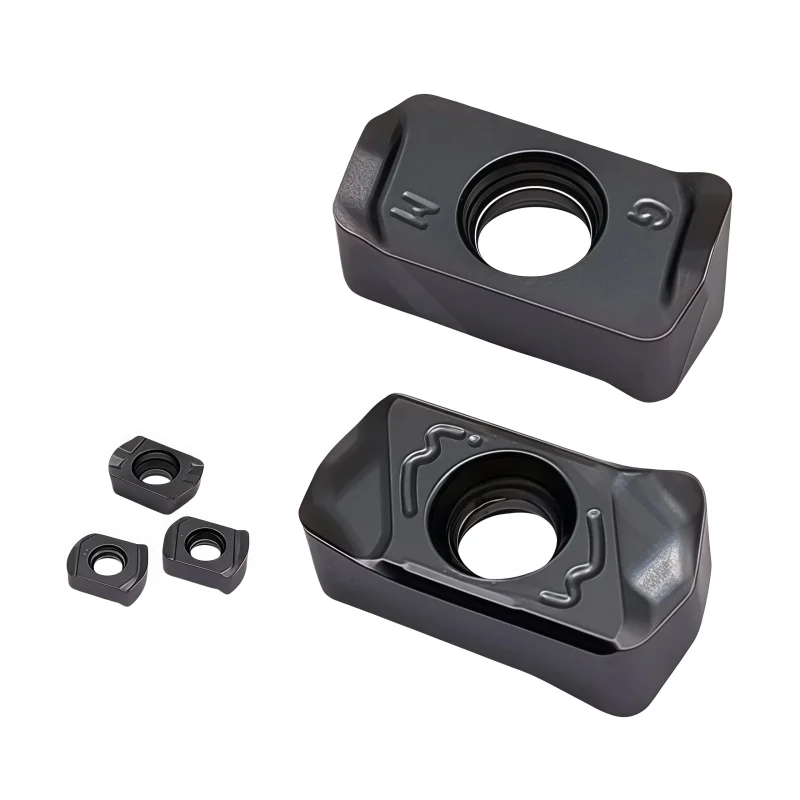
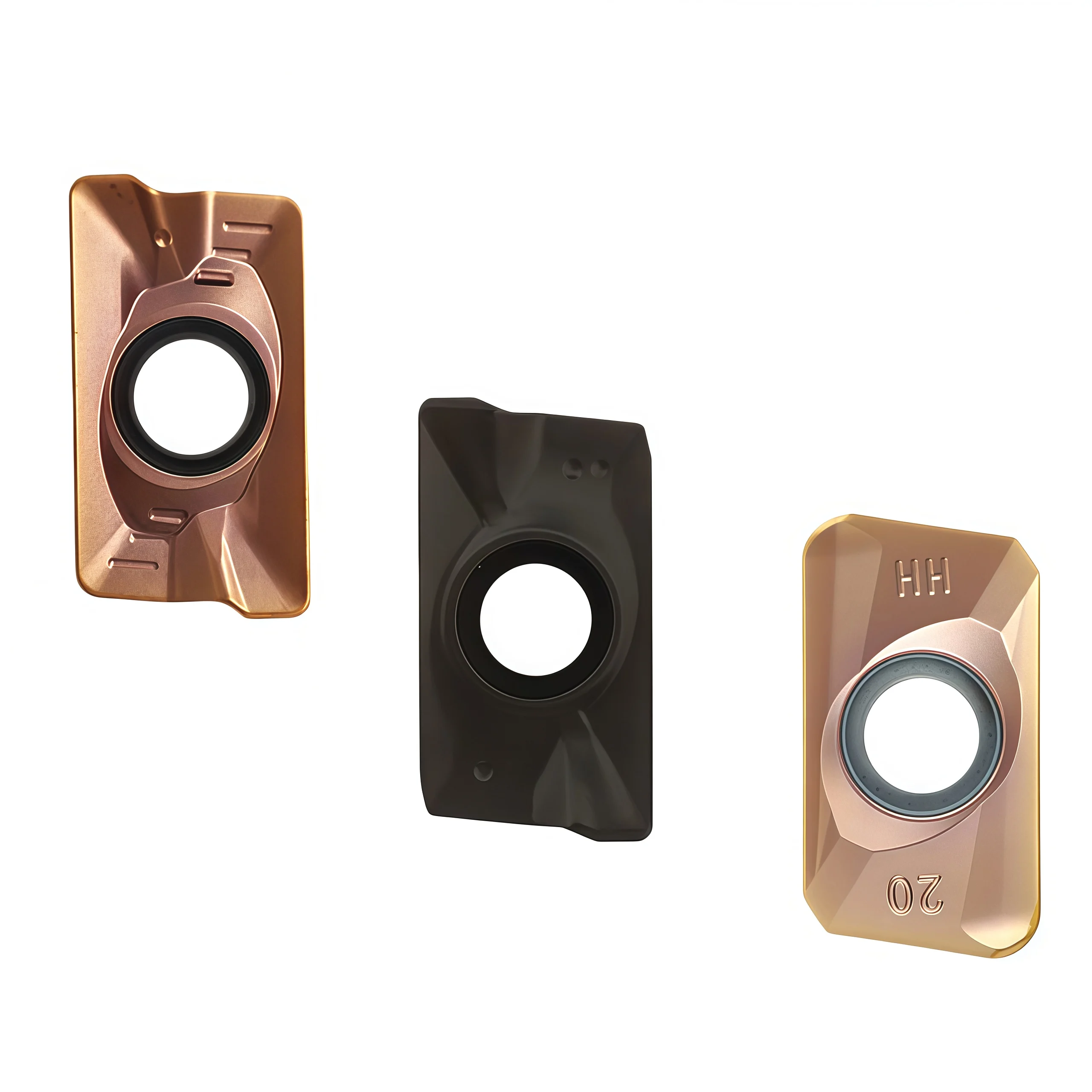
APMT 1135 and APMT 1604 carbide milling inserts are designed for stainless steel machining with compatible indexable cutters.
Match the full code to the cutter pocket
Slotting where the cutter permits
Grade and coating matched to stainless steel
Envases neutros / de marca blanca
Acero inoxidable
Positive Geometry
Two Size Options
Embalaje OEM
◆Productos
En APMT 1135 and APMT 1604 carbide milling inserts
are designed for shoulder milling, face milling, contouring, slotting and ramping in
stainless steel. Their positive cutting geometry helps reduce cutting resistance,
while the selected chipbreaker and carbide grade support stable chip evacuation and reliable surface quality.
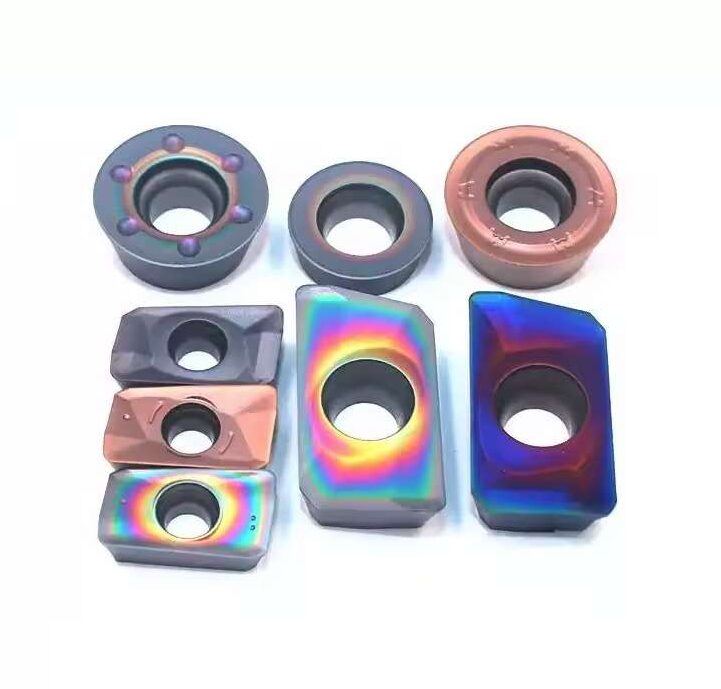
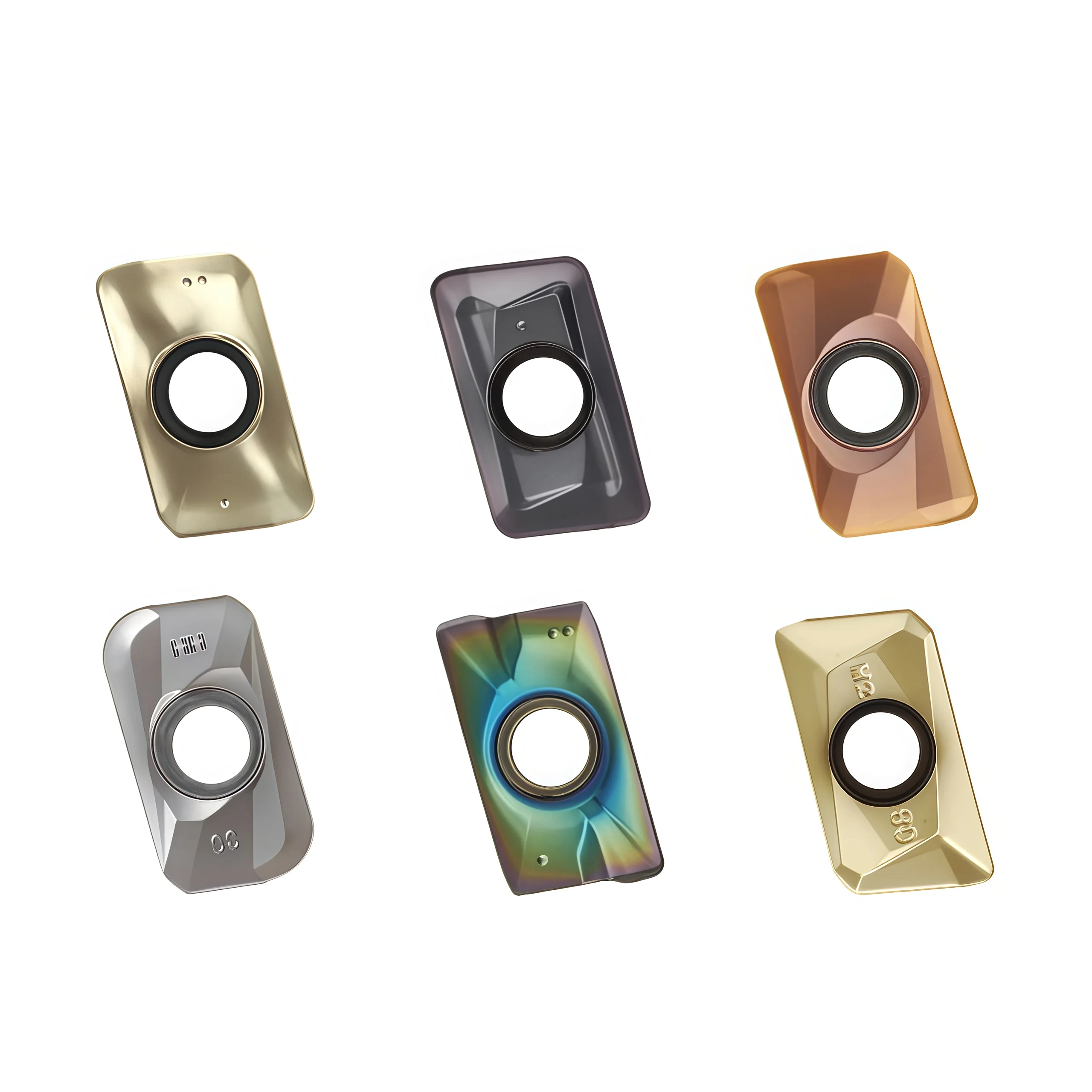
The series is available in multiple grades, chipbreakers and coating options for
finishing, semi-finishing and general milling. Customers can select APMT 1135 or
APMT 1604 according to cutter-body compatibility, required cutting depth and machining conditions.
Customers building a broader milling-insert range can also compare our
XOMX 180608 square-shoulder milling inserts
for compatible shoulder-milling applications.
◆Resumen rápido de la contratación pública
| Serie «Insert» | APMT 1135 / APMT 1604 | Pieza de trabajo principal | Acero inoxidable |
|---|---|---|---|
| Operaciones de fresado | Shoulder / Face / Profile / Slot / Ramp | Cutting Range | Finishing / Semi-finishing / General milling |
| Calidad y recubrimiento | PVD and application-specific options | Standard Packing | Commonly 10 pieces per box |
| Supply Options | Standard or mixed-model orders | Branding Support | Envases neutros o de marca propia previa confirmación |
Note: Packing quantity, MOQ, grade, coating, chipbreaker and supply status should be confirmed using the complete insert code and order combination.
◆Características del producto
◆Designed for Stainless Steel Milling
Stainless steel can generate high cutting temperatures, work hardening and built-up
edge. A suitable APMT geometry reduces unnecessary cutting resistance and helps maintain
controlled chip formation. Grade, coating and chipbreaker selection should be matched to
the stainless-steel grade, cutter diameter, machine rigidity and coolant condition.
For a broader comparison of indexable milling products, customers can browse the
complete carbide insert range
.
◆Models & Selection Reference
| Serie | General Positioning | Selection Check |
|---|---|---|
| APMT 1135 | Compact insert for compatible smaller or medium cutter bodies. | Confirm full suffix, grade, chipbreaker and cutter seat. |
| APMT 1604 | Larger insert for compatible cutter bodies and increased cutting capacity. | Confirm full suffix, grade, chipbreaker and cutter seat. |

Model reference only. Confirm the complete insert code and cutter-body compatibility
before placing an order.
◆Milling Applications
◆Detalles del producto
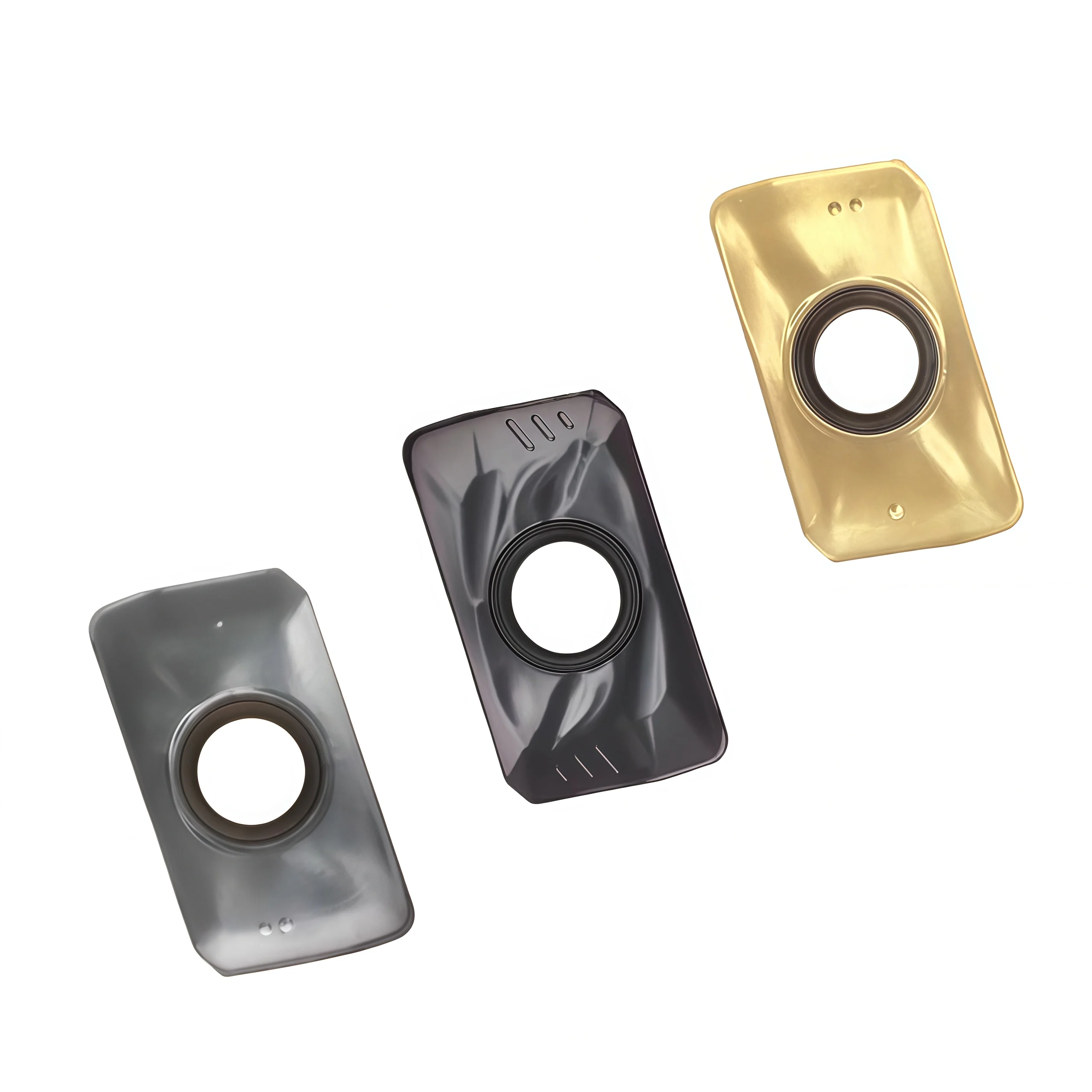
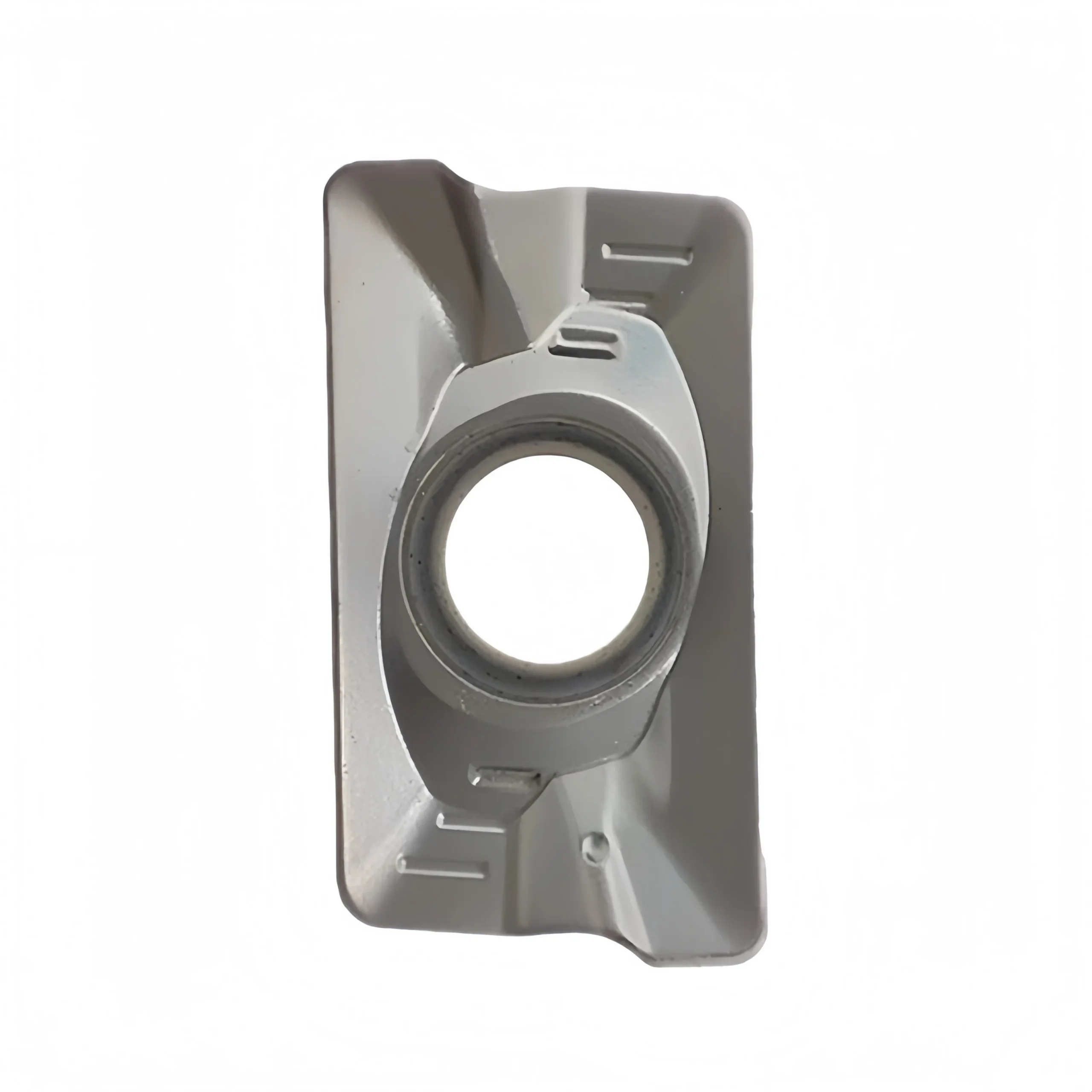
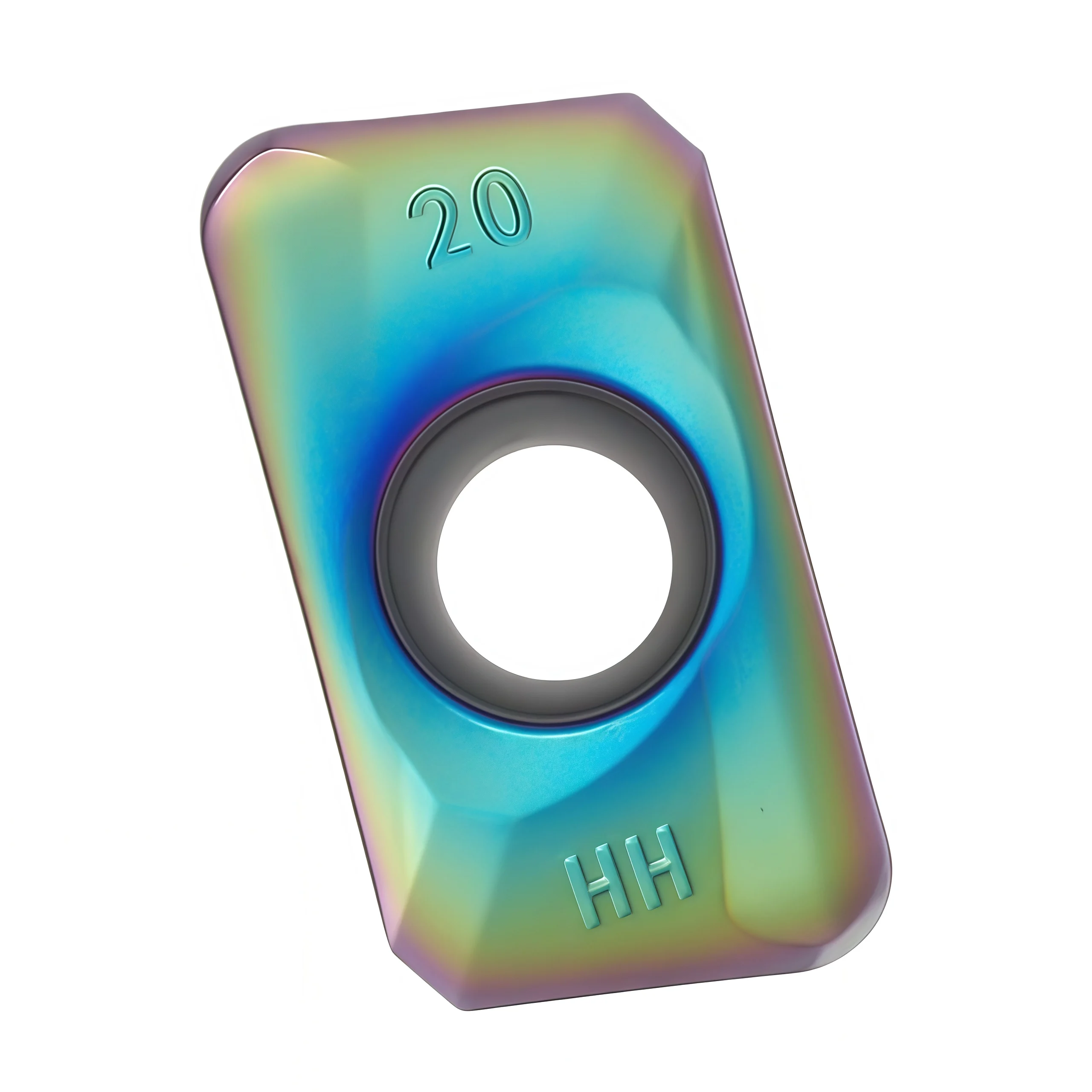
The insert surface, cutting edge and chipbreaker should be selected according to the workpiece material and operation. For general guidance on identifying shapes and model codes, see our carbide insert types guide.
.
◆Suitable Workpiece Materials
as 304, 316, 420 and 430.
coating or chipbreaker.
inserts for other materials.
◆Información necesaria para la correspondencia de modelos
1
Include the suffix, grade and chipbreaker.
2
Send the cutter code or a clear label photo.
3
State the stainless-steel grade or material standard.
4
Provide quantity, model mix and packaging needs.
◆Customer Supply Support
Customers can order standard models or combine selected APMT sizes and grades according to the confirmed purchasing plan.
For repeat orders, retaining the approved insert code, packaging format and label information helps reduce model-matching errors.
◆Specifications & Size Chart
The supplied model chart lists APMT 1135 and APMT 1604 in H2, M2 and PM variants. Dimensions below reproduce its labeled values in millimeters: l is the listed length, d the listed width, t the listed thickness and R the corner radius. Use the complete insert and cutter-body drawings for pocket and screw fit.
| Model Shown | Variant | l (mm) | d (mm) | t (mm) | R (mm) |
|---|---|---|---|---|---|
| APMT 1135–H2 | H2 | 11 | 6.35 | 3.5 | 0.8 |
| APMT 1604–H2 | H2 | 16.5 | 9.525 | 4.76 | 0.8 |
| APMT 1135–M2 | M2 | 11 | 6.35 | 3.5 | 0.8 |
| APMT 1604–M2 | M2 | 16.5 | 9.525 | 4.76 | 0.8 |
| APMT 1135–PM | PM | 11 | 6.35 | 3.5 | 0.8 |
| APMT 1604–PM | PM | 16.5 | 9.525 | 4.76 | 0.8 |
◆Model & Dimension Reference
◆Material & Application
| Selection Field | Qué hay que comprobar |
|---|---|
| Primary workpiece | Stainless steel (ISO M); provide the exact grade, such as 304, 316, 420 or 430, and its condition/hardness. |
| Operación de fresado | Shoulder and face milling with a compatible cutter. Profile milling, slotting and ramping depend on cutter-body design and published limits. |
| Carbide grade / coating | Confirm the offered substrate and coating by complete SKU; the size chart does not specify a grade or prove a PVD coating for every variant. |
| Geometry suffix | H2, M2 or PM as labeled; request the manufacturer's chipbreaker drawing and material recommendation. Do not interpret “M2” here as M2 high-speed steel. |
| Cutter fit | Compare pocket size, seating surface, fixing screw, insert hand and allowable axial depth with the cutter maker's documentation. |
◆How to Select the Insert
◆Starting Cutting Data
Use grade- and geometry-specific recommendations for the complete insert and cutter. Determine cutting speed (Vc), feed per tooth (fz), axial depth (ap) and radial width (ae) for the stainless-steel grade, cutter diameter, tooth count, coolant and engagement. The dimension chart does not provide a validated speed or feed range.
◆Related Guide & Ordering
For an overview of indexable insert families, read our Guía sobre los tipos de insertos de carburo. Send the cutter-body and complete insert codes to confirm dimensional fit, stainless-steel grade and availability.
◆Personalización de insertos de carburo y fabricación para terceros (OEM)
Especifique la plaquita para la operación de mecanizado, la pieza de trabajo y el portaplaquitas. Podemos analizar sustituciones estándar, geometrías específicas para cada aplicación y requisitos de marca propia utilizando su designación de plaquita, plano o muestra. Se confirman los grados, recubrimientos, dimensiones y cantidades de pedido disponibles para cada serie solicitada.
Geometría y control de virutas
Comprueba el rompevirutas, el ángulo de inclinación, la preparación del filo de corte, el radio de la punta y el diseño de las esquinas en función de la operación y la pieza de trabajo. Confirma la compatibilidad del portaherramientas antes de aprobar una geometría modificada.
Sustrato y recubrimiento
Seleccione un tipo de carburo y un recubrimiento adecuados para el material de la pieza de trabajo, las condiciones de corte y el equilibrio deseado entre resistencia al desgaste y tenacidad del filo.
Dimensiones y fabricantes de equipos originales (OEM)
Comprueba el tamaño, el grosor, las características de posicionamiento y sujeción, las tolerancias, el marcado láser y el embalaje con marca propia del inserto, comparándolos con las especificaciones aprobadas.
◆Opciones de personalización
Utiliza los campos que aparecen a continuación para enviar una consulta. Las opciones concretas dependen de la familia de insertos y se confirman en el presupuesto o en el plano aprobado.
| Especificación | Datos que hay que confirmar |
|---|---|
| Tipo de inserto | Insertos para torneado, fresado, roscado, ranurado o taladrado; envíenos la referencia o el plano. |
| Talla y ajuste | Forma, tamaño, grosor, círculo inscrito o longitud del borde, tipo de orificio o de sujeción, y modelo de soporte. |
| Geometría de corte | Rompevirutas, radio de punta o de esquina, preparación del filo, dirección de corte y perfil específico para cada aplicación. |
| Calidad y recubrimiento | Grupo y clase de pieza de trabajo, sustrato de metal duro, sistema de recubrimiento y condiciones de corte en seco o en húmedo. |
| Tolerancias e inspección | Dimensiones críticas, requisitos de perfil, método de inspección y cualquier informe necesario. |
| Presentación de OEM | Marcado en la etiqueta o en la caja, contenido de la etiqueta, formato del envase y cantidad por envase. |
◆Cómo solicitar un inserto personalizado

Envíanos tus requisitos para los encartes a través de nuestro formulario de contacto o consulta nuestra Servicio de fabricación para terceros (OEM) y de marca propia.
◆Control de calidad de las plaquitas de metal duro

La calidad de los insertos depende del grado homologado, la geometría, el recubrimiento y las especificaciones dimensionales. Revisamos los requisitos en el momento de la confirmación del pedido y adaptamos el alcance de la inspección a la serie de insertos y a cualquier plano del cliente. Indique las dimensiones críticas o los requisitos de documentación antes de la producción para que puedan incluirse en el plan de inspección acordado.
01 · Material recibido
Comprueba que el tipo de carburo especificado o la documentación del material se ajusten a los requisitos del pedido.
02 · Controles durante el proceso
Comprueba las dimensiones y las características más innovadoras durante la producción, comparándolas con las especificaciones aprobadas.
03 · Inspección final
Comprueba las dimensiones acordadas, el aspecto, el estado de los bordes, la identificación del recubrimiento y el marcado, según corresponda.
04 · Revisión del embalaje
Comprueba el código del artículo, la cantidad, las etiquetas y el embalaje protector comparándolos con el pedido aprobado.
◆Inspección y documentación
Se deben acordar los puntos de inspección y los criterios de aceptación para la serie solicitada. En el caso de los insertos a medida, el plano aprobado tiene prioridad sobre la descripción genérica del catálogo.
| Área de comprobación | Qué hay que comprobar |
|---|---|
| Dimensiones y ajuste | Indica las dimensiones, el grosor, el radio de las esquinas, las características de sujeción y cualquier tolerancia del plano. |
| Geometría de corte | Rompevirutas, preparación de aristas, esquinas aprovechables y perfil, cuando proceda. |
| Calidad y recubrimiento | Calidad y designación del recubrimiento aprobadas; cualquier método de verificación solicitado. |
| Aspecto y embalaje | Daños visibles en los bordes, marcas, código del artículo, número de unidades y formato de embalaje. |
| Documentos solicitados | Informe de inspección, documentación sobre materiales o recubrimientos, aprobación de muestras o identificación de lotes, cuando así se haya acordado. |
◆Pedidos y envíos
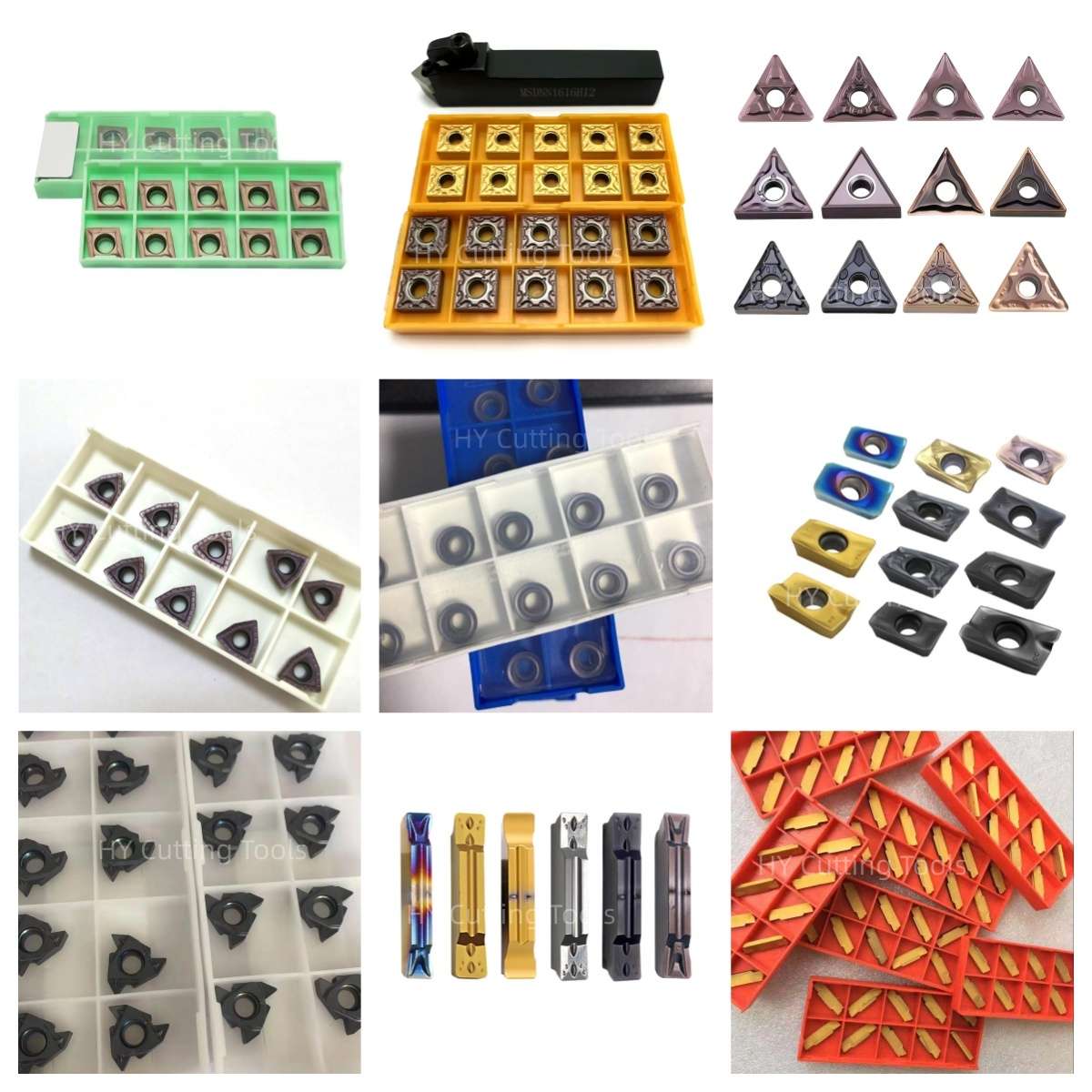

Se facilita una lista detallada, línea por línea, de los códigos de los artículos y las cantidades correspondientes a un presupuesto con tamaños mixtos. Se confirman el estado de existencias, la cantidad mínima, los requisitos de muestras y el plazo de producción para cada calidad, recubrimiento y configuración.
Envíanos tu lista de artículos y tus requisitos de calidad a través de nuestro formulario de contacto para consultar las especificaciones, la disponibilidad y la confirmación de la entrega.
◆Preguntas frecuentes sobre el producto
What is the difference between APMT 1135 and APMT 1604?
In the supplied chart, APMT 1135 has l = 11 mm, d = 6.35 mm and t = 3.5 mm; APMT 1604 has l = 16.5 mm, d = 9.525 mm and t = 4.76 mm. The listed H2, M2 and PM versions in both sizes have R = 0.8 mm. Match the full model and seating geometry to the cutter body.
Do H2, M2 and PM identify the carbide grade?
They are variant labels shown in the model chart; the chart does not provide their carbide-grade composition, coating or cutting ranges. Ask for the complete order code and grade documentation. “M2” in this suffix should not be confused with M2 high-speed steel.
Can I use the APMT 1605-XM or APKT models in the same cutter?
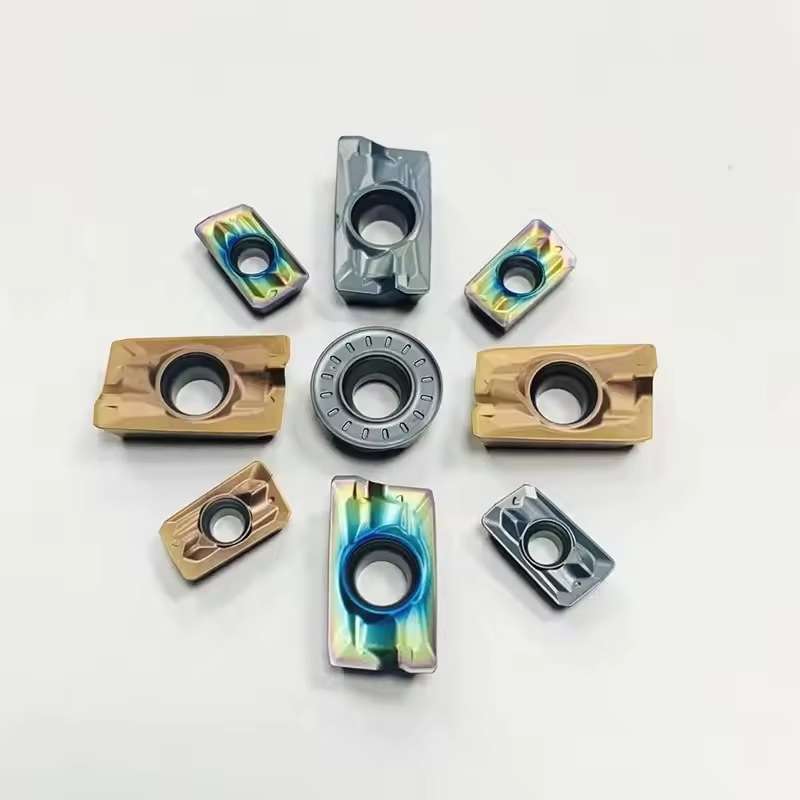
The reference image also includes APMT 1605-XM and APKT inserts. They are separate designations; some listed thicknesses or widths differ from APMT 1604. Do not treat them as direct substitutes without matching the pocket, screw, seating surface and cutter manufacturer's approved insert list.
Which stainless steels can these milling inserts machine?
This page is positioned for stainless-steel milling, including applications involving common 304, 316, 420 and 430 grades. Select an insert grade and edge preparation qualified for the exact steel and its condition; suitability and starting cutting data are not established by the APMT size code alone.
Are APMT 1135 and 1604 suitable for slotting or ramping?
That depends on the cutter body, its insert pocket and its specified operation limits. Confirm allowable axial depth, ramp angle, radial engagement and chip clearance from the cutter documentation before using either operation.
How should I set cutting speed and feed?
Obtain a starting Vc and feed per tooth (fz) for the complete carbide grade, geometry, cutter body and stainless-steel grade. Set spindle speed from the cutter diameter and table feed from RPM, tooth count and fz; then validate wear, chip evacuation and surface finish in a trial cut.
◆Preguntas frecuentes sobre pedidos y OEM
What information do you need to check cutter compatibility?
Send the cutter-body model, full insert code, photos of the insert and seating pocket, fixing-screw details and any current supplier drawing. The same nominal APMT size does not prove that every chipbreaker or screw-hole form fits a particular cutter.
Can I order APMT 1135 and APMT 1604 together?
Send a line-by-line list of each full model, grade, coating and quantity. Mixed-model supply, stock, minimum quantity and pack quantity are confirmed for the requested combination; the Overview's ten-piece pack is a reference, not a guarantee for every SKU.
Can I request a sample before a repeat order?
Include the cutter code, stainless-steel grade, operation and current cutting conditions. Confirm sample availability by SKU and compare fit, wear, surface quality and chip behavior under a controlled trial.
Are neutral or private-label packs available?
Provide the desired box label, brand artwork, insert marking, quantity per pack and model list. Packaging options, minimum quantities and dispatch timing are confirmed in the quotation.
◆Guías y referencias técnicas
Utiliza nuestro Guía sobre los tipos de insertos de carburo for insert-family and model-code checks.
For a drawing, complete grade options or a mixed-model quotation, send the insert and cutter-body codes with your stainless-steel grade and order quantities.
¿Necesita medidas, precios u opciones a medida?
Envíanos tus especificaciones y la cantidad para que te enviemos un presupuesto.
- Tallas estándar
- Pedidos de prueba de pequeño volumen
- Tallas variadas
- OEM y herramientas personalizadas
Ver código QR – Ponte en contacto con el departamento de ventas a través de WeChat

Escanea el código para contactar con nosotros en WeChat.
Escanea el código para contactar con nosotros en WeChat.