Coating Selection for Stainless & Titanium
Coating selection for stainless steel and titanium starts with the job, not the tool colour. A coating that works on a light side cut may disappoint in a full slot, even when the workpiece and cutter diameter stay the same.
This guide focuses on solid carbide tools, mainly end mills. It explains how to shortlist coatings, what changes between stainless steel and titanium, and what to record before approving a replacement. Drilling configurations need a separate review of point geometry, depth and coolant.
Quick Answer
Stainless steel
TiAlN- and AlTiN-based systems are common candidates. TiSiN or AlTiSiN systems may also suit particular tools. Choose a model rated for the exact stainless grade and operation.
Titanium alloys
Start with a titanium-specific tool and its recommended coating and coolant. Selected nitride systems can work; a TiSiN label alone does not justify high-speed dry cutting. DLC needs application-specific evidence.
Buying decision: compare the complete tool, then test it on the customer’s job. Coating names and catalogue temperature ratings do not establish equivalence or guaranteed tool life.
Table of Contents
Coating Selection for Stainless Steel and Titanium: Comparison
The names below describe coating families, not identical products from every supplier. Composition, layer structure, thickness, adhesion and edge preparation can change performance within the same family.
| Coating family | Where it fits — and what to ask |
|---|---|
| TiAlN / AlTiN |
|
| TiSiN |
|
| AlTiSiN |
|
| DLC |
|
TiAlN and AlTiN names contain “titanium” because of the coating chemistry. That does not mean every such tool is intended to machine titanium. Equally, a tool designed for titanium may use a titanium-containing coating.
Choosing a Coated Tool for Stainless Steel
Grades 304 and 316 are austenitic stainless steels. Adhesion and work hardening make edge geometry, chip formation and coolant relevant alongside the coating. Hardened martensitic grades such as 420 or 440C need the actual heat-treatment condition and measured hardness; the grade name alone is insufficient.
| Customer’s job | Useful selection or review action |
|---|---|
| 304 / 316 full slot |
|
| 304 / 316 side finishing |
|
| 420 / 440C after hardening |
|
| Duplex or another special grade |
|
Example: for a Ø8 mm cutter making an 8 mm-wide slot in 316, send the slot depth and a photo of where damage begins. If the edge chips at entry, investigate engagement and chip trapping before paying for a different coating. For that investigation, use our stainless steel chipping and chatter guide.
Choosing a Coated Tool for Titanium Alloys
For Ti-6Al-4V, heat concentration and adhesion make the complete cutting edge and process important. Selected TiAlN-, AlTiN- and silicon-containing nitride systems are used in titanium machining, but there is no universal winner across roughing, finishing, slotting and profiling.
Ask the supplier to match the alloy, tool shape, cutting engagement and coolant delivery. If a coating is proposed for dry or minimum-lubrication cutting, request the applicable tool and process data before changing a working coolant strategy. High oxidation resistance alone is not enough evidence.
Example: a buyer replacing a Ø10 mm corner-radius end mill for a Ti-6Al-4V pocket should provide the radius, reach, toolpath and current coolant arrangement. A useful proposal identifies the substrate, edge preparation, coating and starting conditions together. “TiSiN, suitable up to 1000°C” does not answer that enquiry.
Practical Actions for Coating and Tool-Life Problems
Use the observed problem to choose a short, controlled trial. Replace a damaged cutting edge before testing. Change one factor at a time and record the result; the examples below are investigation paths, not diagnoses from photographs.
316 slotting: the edge chips at entry
Do first: Mark the failure location in the toolpath and inspect for trapped chips. For an overloaded full slot, trial a smaller axial depth per pass, with the tool supplier’s entry feed and chip-load guidance. Keep the coating unchanged for this comparison.
Decide from the result: If entry damage decreases, retain the process improvement. If it persists after chip removal and setup checks, compare a tool with more suitable edge support and coating as a complete configuration.
Titanium pocketing: deposits or chips build up
Do first: Inspect the coolant outlets and nozzle aim; direct the specified coolant into the active cut and clear accumulated chips by the machine’s approved method. Record whether the deposit returns. Follow the tool and fluid suppliers’ delivery and concentration guidance.
Decide from the result: If buildup persists, review titanium-specific geometry, cutting data and coating together. Do not switch to dry cutting or an aluminium DLC cutter solely because of a coating label.
One flute wears or chips before the others
Do first: Measure assembled runout near the cutting end. Clean and reseat the holder, collet and shank; replace damaged holding components. Shorten unnecessary projection while maintaining access and the required clamping length. Re-measure before another trial.
Decide from the result: If tooth wear becomes more even, keep the corrected setup. Continued uneven wear needs further tool, holder or spindle assessment before blaming coating wear resistance.
Two quotations both say “TiSiN”
Do first: Request the quoted coating grade, substrate reference, geometry and edge preparation alongside dimensions. Have each supplier identify its proposed configuration for the same alloy and operation, including trial quantity and starting conditions.
Decide from the result: If only the coating differs, a matched trial can investigate that difference. If other features change, compare complete tools using acceptable parts, cycle time and cost per part; do not attribute the outcome only to TiSiN.
When machining titanium with carbide tools, retain the tool-specific coolant recommendation. Stainless milling may be wet or dry according to the tool and operation. Intermittent coolant delivery can contribute to thermal cracking; where wet cutting is specified, maintain effective flow. Stop a trial showing cracks or flaking and document it for inspection. Neither a photograph nor a catalogue temperature rating proves the cause.
These examples apply general milling principles. Use the selected solid carbide tool’s guidance for operating limits.
Match HY Cutting Tools Configurations to the Job
HY Cutting Tools series labels help organise the range. HRC45, HRC55 and HRC65 do not certify suitability for stainless steel or titanium. Our reference coating configurations are shown below; the quotation should identify the selected model and coating.
| Series or option | Reference specification |
|---|---|
| HRC45 steel series | AlTiN on the referenced steel models. |
| HRC55 steel series | TiSiN on the referenced steel and mould-steel models. |
| HRC65 steel series | AlTiSiN / specified Nano Blue configurations by model. |
| TiAlN option | Selected steel, stainless or higher-temperature configurations; identify the quoted model. |
| Aluminium range | Uncoated, polished or DLC options by model. These are not automatic titanium substitutes. |
For the wider range, see the solid carbide end mill series guide. For this article’s materials, begin with the relevant application page:
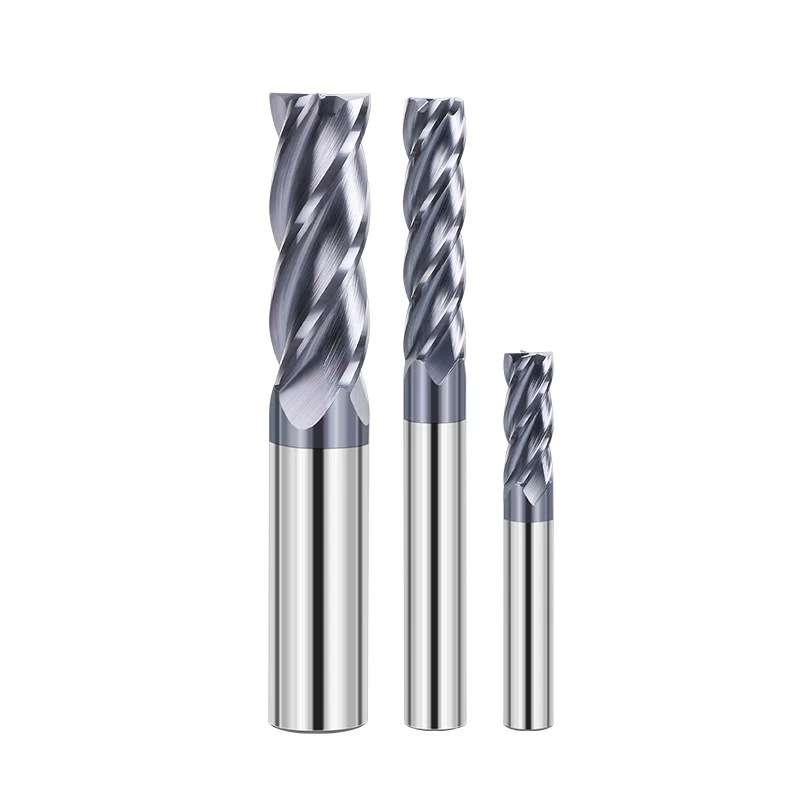
Milling · 4 flutes · Ø1–20 mm. Review geometry, length and coating for the stainless grade.

2-Flute Hard-Milling End Mill →
Hard-milling candidate. Review actual hardness and grade before considering hardened stainless; not a general 304/316 recommendation.
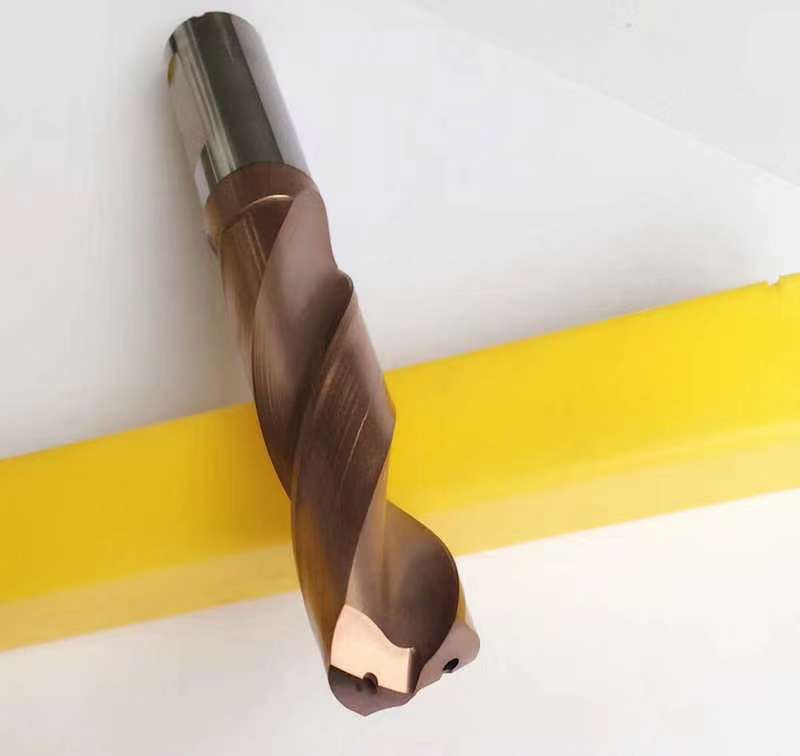
5D Stainless Through-Coolant Drill →
Drilling · Ø3.1–20 mm reference range. Match usable depth, coating and internal coolant to the job.

Titanium & Superalloy Drills →
Drilling · 2 spiral flutes · Ø3–20 mm. Review point, depth, coating and coolant by alloy.

Stainless Steel Thread Mills →
Thread milling · SUS304/316L. Match the metric pitch, bore clearance, thread depth and coating.
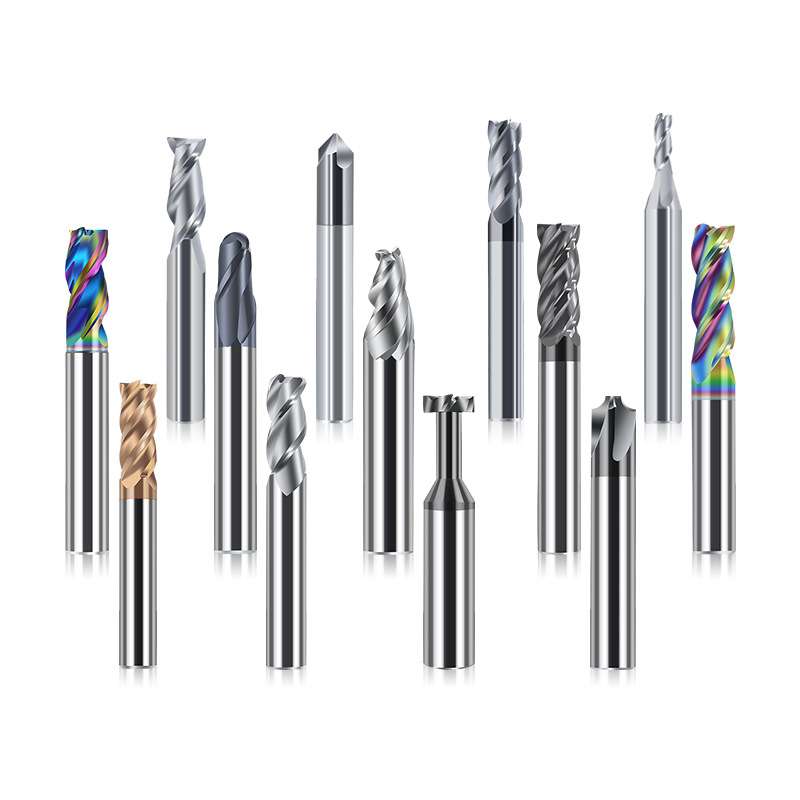
Drawing- or sample-based review of reach, profile, geometry and coating when standard tools do not fit.
These are different tool families. Review milling, drilling and threading conditions separately; a coating result from one operation does not validate another.
Prepare an Enquiry and a Useful Trial Comparison
An existing model code and a clear description of the job are enough to start. A reseller can collect missing process details from the end user as the review progresses.
| Record | Practical requirement |
|---|---|
| Tool specification |
|
| Cutting conditions |
|
| Stopping criterion |
|
| Results and repeatability |
|
Illustrative cost check: a $12 tool producing 60 acceptable parts costs $0.20 per part in tool expense; a $15 tool producing 90 costs about $0.17. Compare cycle time, tool-change time, scrap and repeatability too. These are example numbers, not HY performance claims.
Purchase decision: approve the candidate when repeated results meet the agreed quality limits and support the production cost target. Retest a one-off improvement or a comparison with undocumented changes. If both tools fail at the same entry or corner, return to the process investigation before increasing the order.
Before repeat orders, retain the approved tool and coating reference, drawing revision, test record and any agreed inspection requirements. Request available coating identification, thickness or adhesion records when relevant; agree the method and scope before ordering instead of assuming every batch includes every test. See our cutting tool trial-order guide.
Buyer FAQ
I do not know the current coating. Can you still recommend a tool?
Yes. Send the alloy, operation, dimensions and current model or label. A photo helps, but colour cannot establish coating chemistry. Missing details can be reviewed before selection.
My 316 end mill chips. Should I change from TiAlN to AlTiN?
Not from that symptom alone. Locate the damage and review entry load, trapped chips and assembled runout using the practical actions above. If those checks do not resolve it, trial an application-matched tool; neither coating name guarantees a fix.
Can I use an aluminium DLC end mill on Ti-6Al-4V?
Do not assume suitability. Ask for evidence for that exact DLC system, geometry and titanium operation. Aluminium performance does not validate a titanium pocketing application; start with a titanium-specific recommendation.
Can you compare another brand’s tool with a HY option?
Yes. Provide the brand, model or part number and application. We can review key specifications and propose a standard or custom candidate. Validate the replacement on the intended job.
Can the geometry and coating be customized together?
Yes. Stainless end-mill dimensions, geometry and coating can be reviewed from drawings or samples. Send the alloy, hardness, operation, reach, critical dimensions and quantity so the proposal addresses the complete tool.
Can I test samples and combine sizes before a bulk order?
Yes. Samples are generally paid, with customer-paid freight. Most standard tools start from 10 pcs; mixed sizes are generally possible. Sample quantities and each item’s MOQ require confirmation.
Will a special coating change the lead time?
It can. The website FAQ notes that DLC or certain PVD coatings may add about 3–5 days. Request the dispatch schedule for the exact configuration before promising delivery.
What should I send if the coated tools fail early?
Keep the tools. Send model, affected quantity, batch label, wear photos, material, hardness, rpm, feed, depth and coolant details. Any replacement or remake follows review; early failure alone does not establish a coating defect.
Related Guides

Solid Carbide End Mill Selection →
Compare flutes, geometry, reach and the complete tool specification.

Stainless Steel Chipping & Chatter →
Locate the failure and review the cut before replacing the coating.

Stainless Steel Work Hardening →
Review rubbing, chip formation and the condition of the machined surface.

Plan sample comparisons, record results and decide when to reorder.
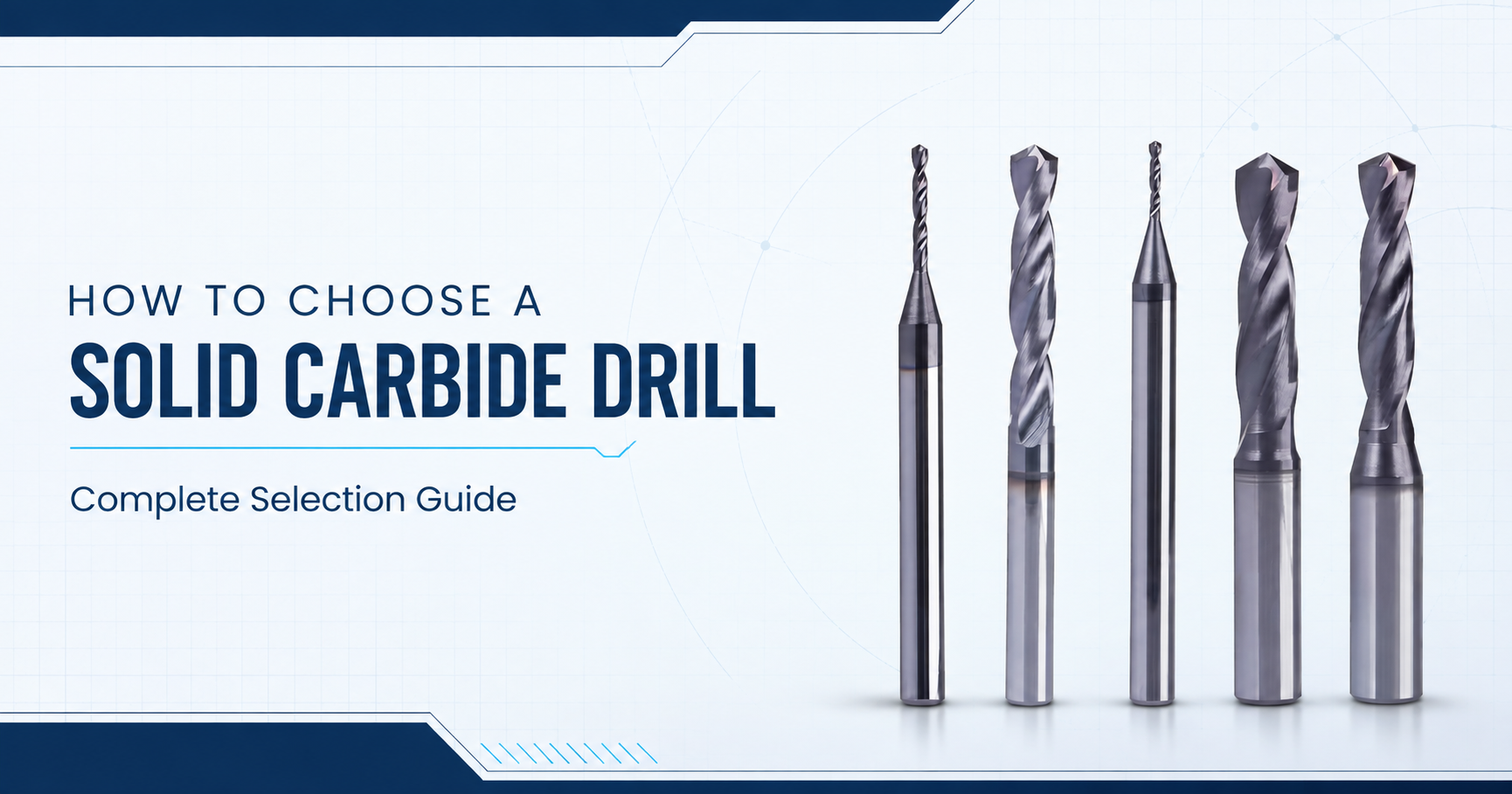
Solid Carbide Drill Selection →
Match hole form, material, depth, geometry and coolant delivery.
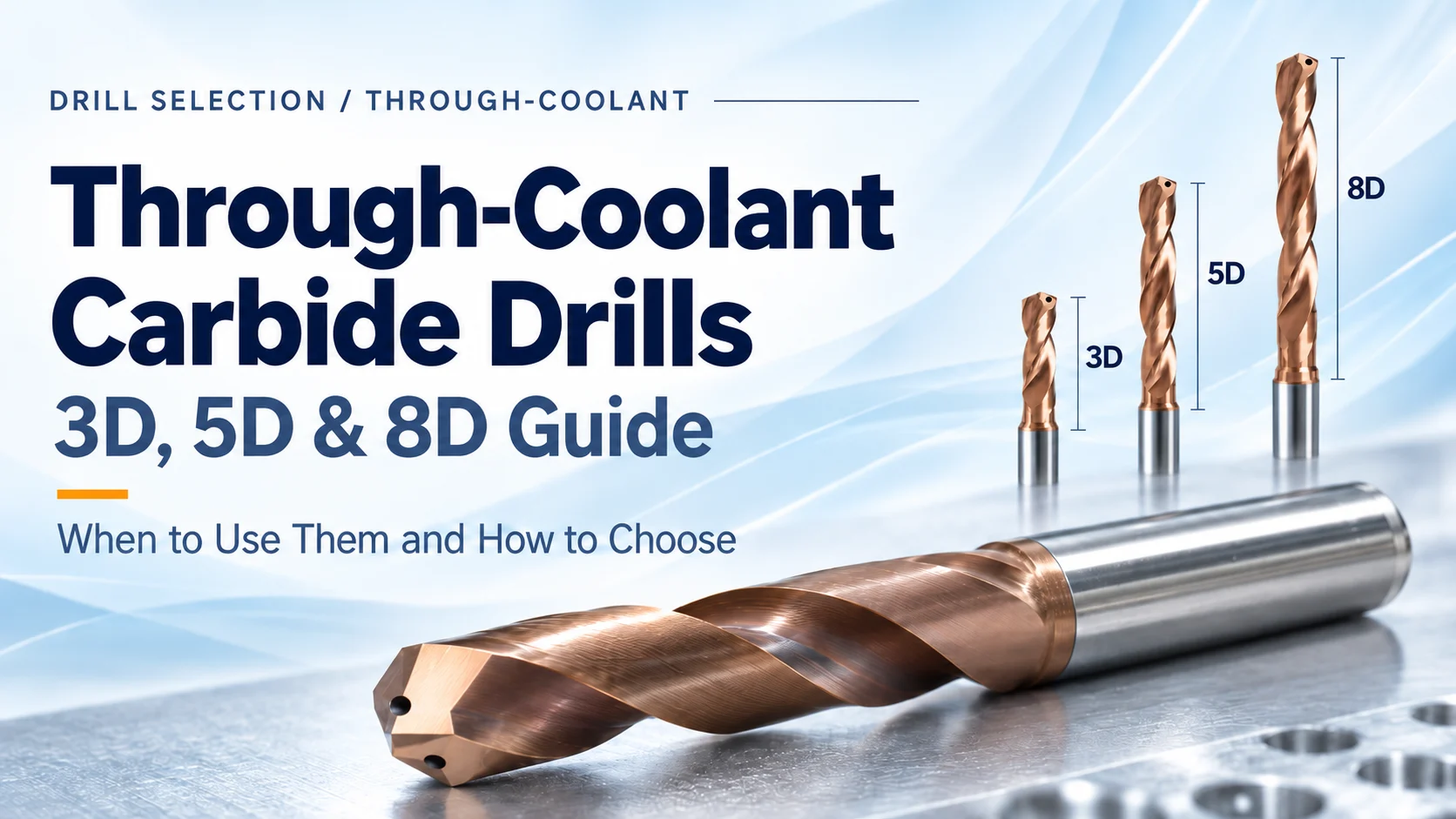
Through-Coolant Carbide Drills →
Review when internal coolant and the selected depth series fit the job.