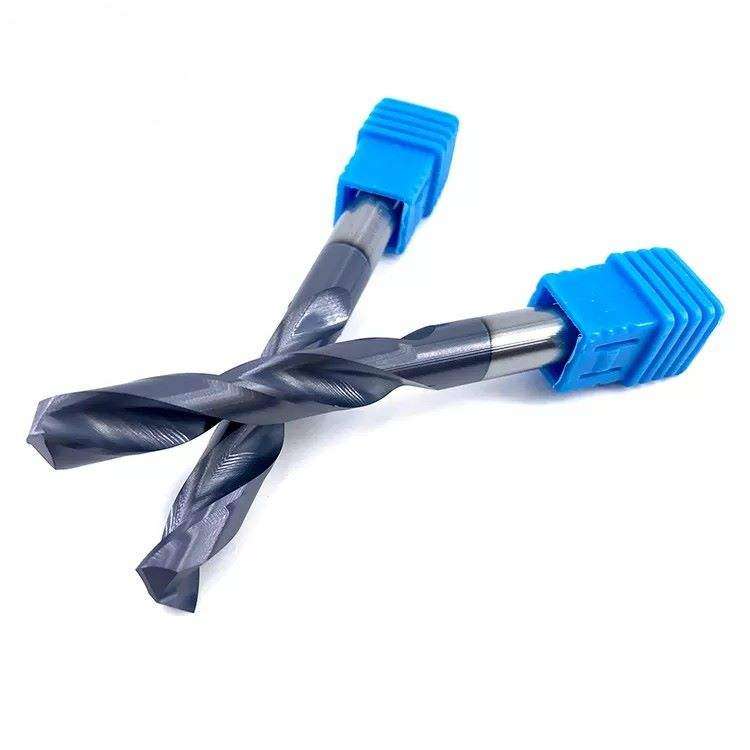
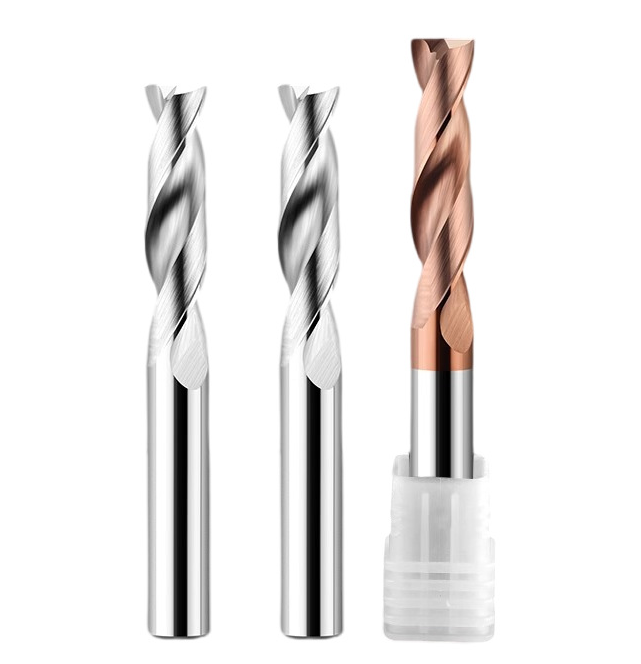
180° Flat-Bottom Carbide Drill for Counterboring & Inclined Surfaces
180° Flat Bottom
Flat Holes
Counterboring
Flat Seats
Coated Carbide
Wear Resistance
Custom Sizes
OEM Options
180° Flat-Bottom Carbide Drill for Counterboring
This flat-bottom drill bit produces flat-bottom hole profiles where conventional twist drills leave a conical bottom. Select the diameter, usable depth, corner profile and coolant configuration according to the drawing. Selected spot-facing and inclined-entry applications can be reviewed separately.
180° Flat-Bottom Drill Configuration
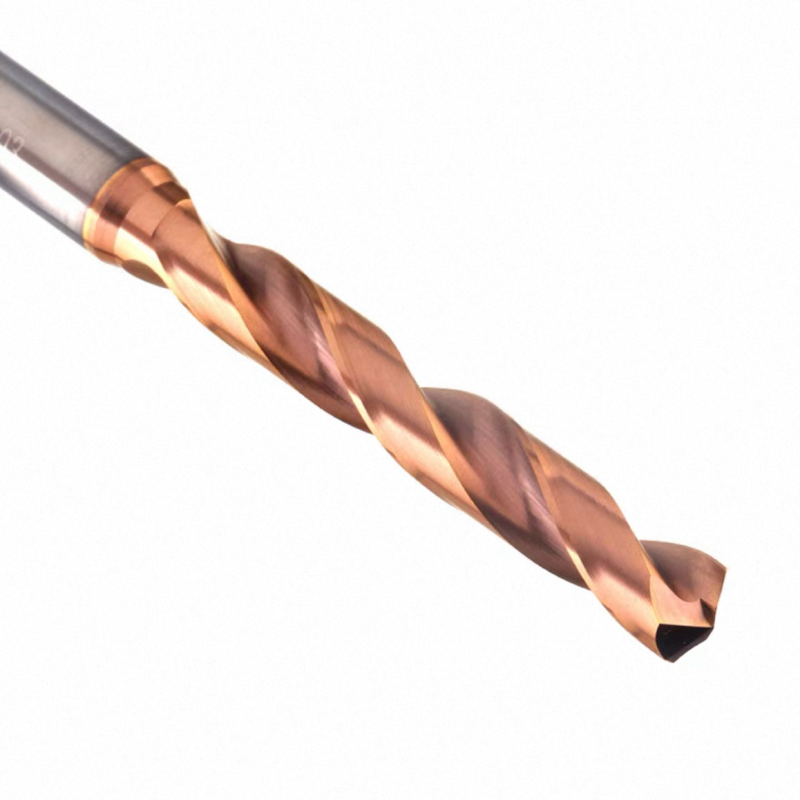
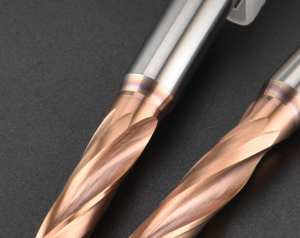
180° Flat-Bottom Point
The 180° point profile supports flat-bottom holes and counterbores where a conventional drill leaves a conical bottom.
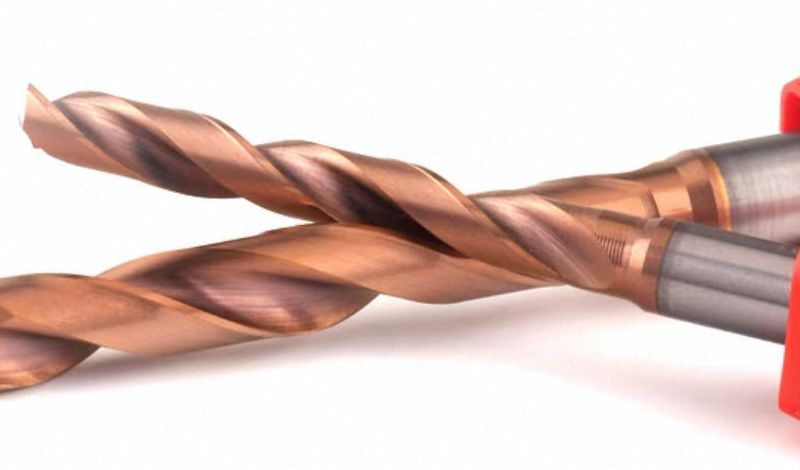
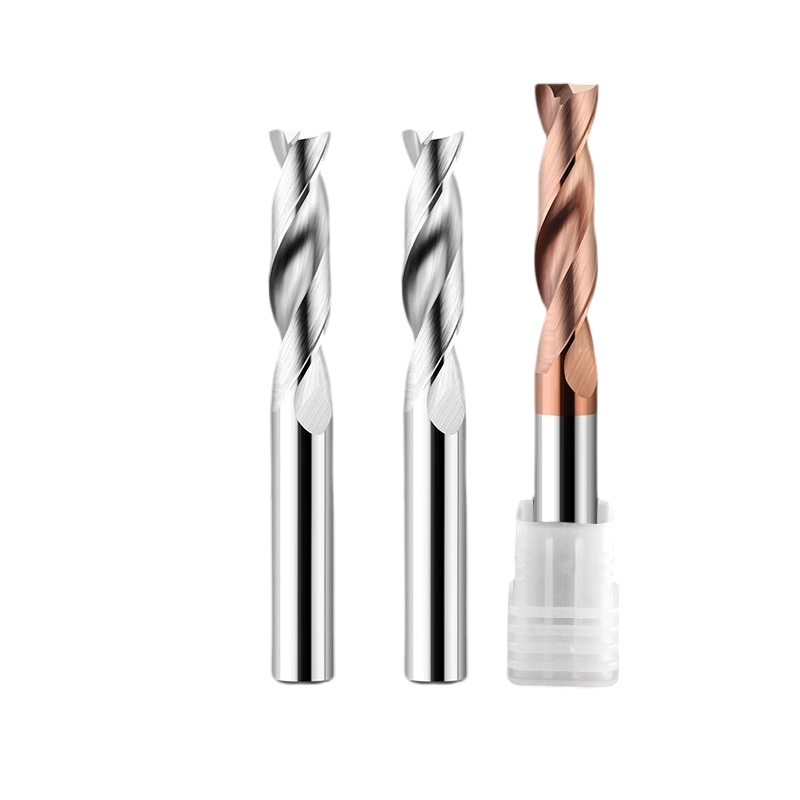
Coated Solid Carbide
Solid carbide provides tool rigidity, while an application-matched coating helps manage wear in suitable materials.
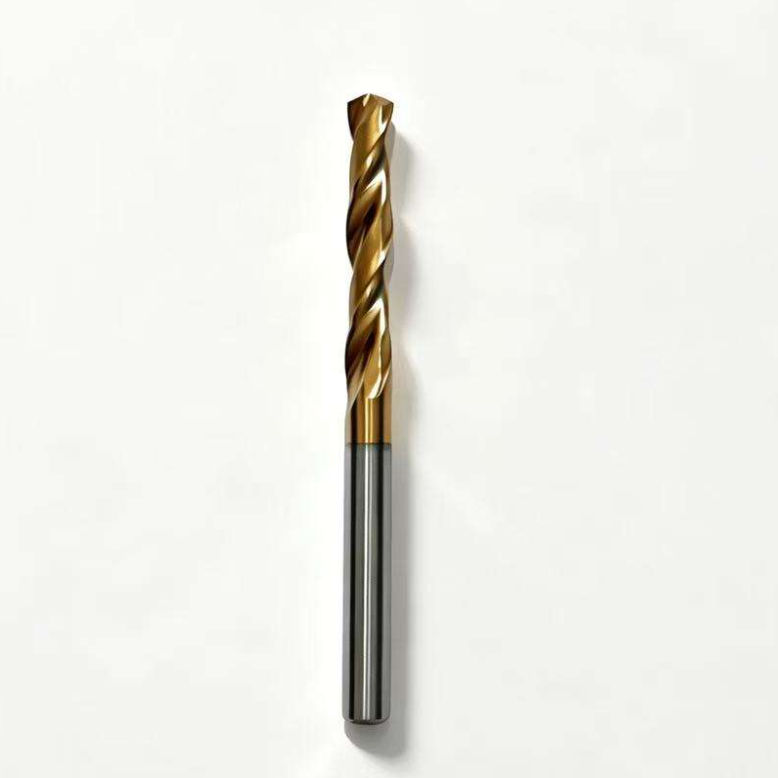
Application-Matched Dimensions
Cutting diameter, flute length and shank options are reviewed according to counterbore size, hole depth and entry conditions.
Flat-Bottom Drilling Features
Workpiece Materials for Flat-Bottom Drilling
Counterboring & Flat-Bottom Hole Applications
- Flat-bottom counterbore machining
- Flat-bottom blind-hole drilling
- Selected spot-facing operations
- Selected inclined- and curved-surface entries
- Flat-bottom hole profiles where standard drills leave conical bottoms
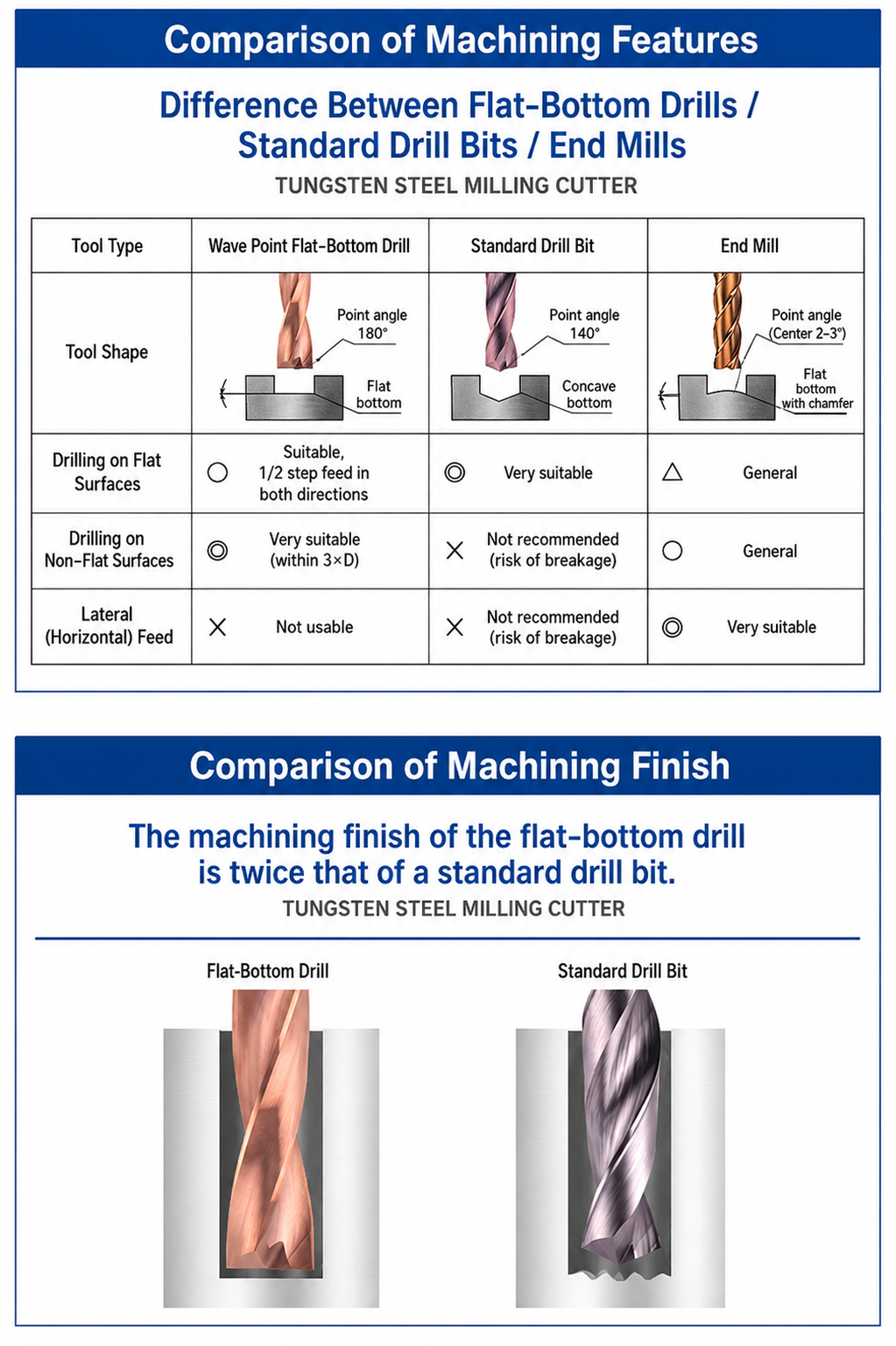
Flat-Bottom Drill Geometry & Applications

180° Flat-Bottom Carbide Drill Specifications
Technical specifications for 180° solid carbide flat-bottom drills used in counterboring, flat-bottom blind holes and selected inclined-surface applications.
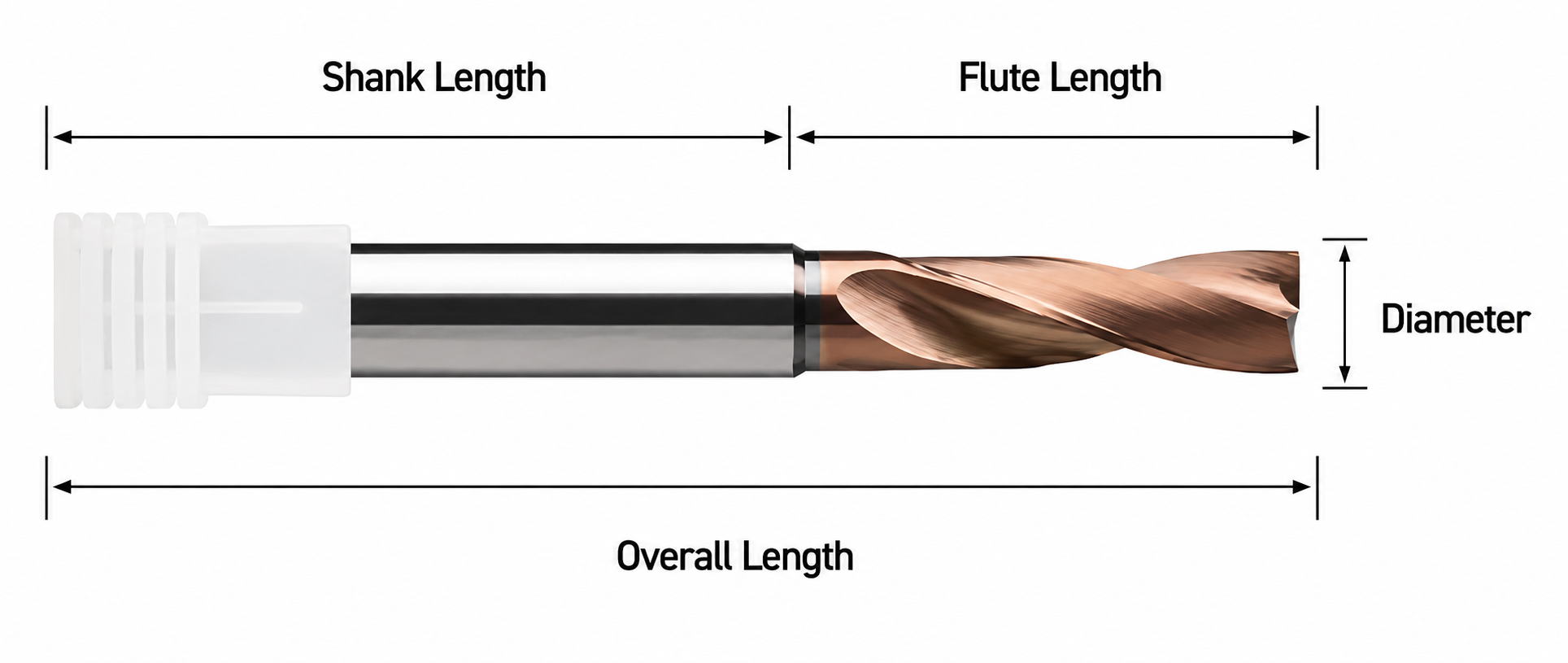
180° Flat-Bottom Drill Standard Sizes
Reference dimensions for flat-bottom carbide drills. Confirm the selected diameter, flute length, shank and overall length before ordering.
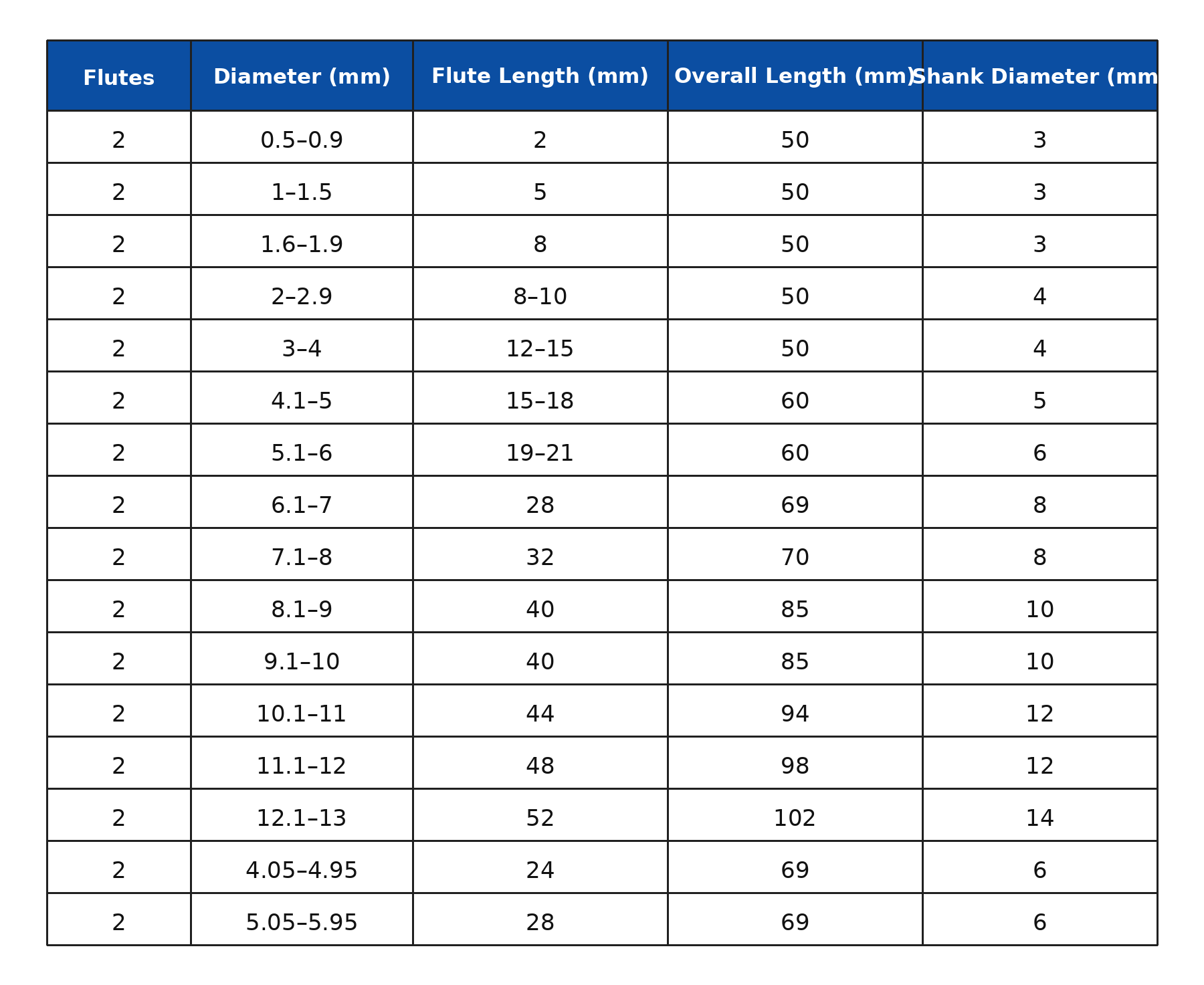
Size Selection: Confirm D × L1 × d × L, required flat-bottom depth and hole tolerance. Non-standard dimensions and coatings can be reviewed for custom and OEM orders.
Need Sizes, Pricing or Custom Options?
Send your hole dimensions, workpiece material and quantity for review.
Counterboring Setup & Cutting Data
Select the flat-bottom drill according to hole geometry, entry condition and workpiece material.
Hole Geometry
Confirm counterbore diameter, flat-bottom depth and hole tolerance.
Entry Condition
Review inclined, curved or interrupted entries before machining.
Material & Coolant
Match cutting data, coating and coolant to the workpiece and setup.
180° Flat-Bottom Carbide Drill Customization
Custom 180° flat-bottom carbide drills for counterboring and flat-bottom holes. Cutting geometry, dimensions and coatings are reviewed according to the hole profile, material and entry conditions.
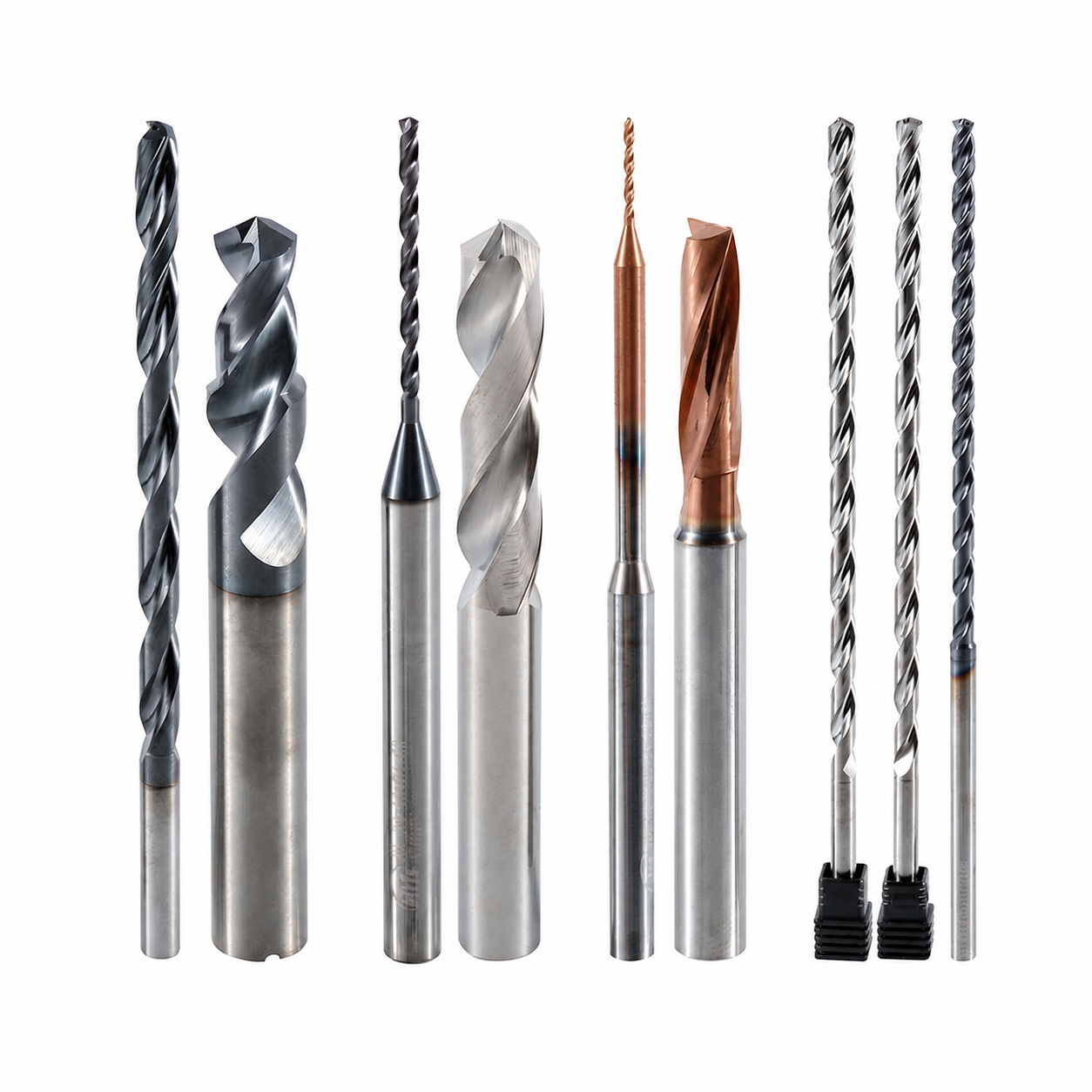
180° Geometry & Edge Options
Flat-bottom profile, cutting-edge preparation, corner radius or chamfer, and material-specific coating options.

Counterbore Dimensions & Reach
Custom cutting diameters, flute lengths, overall lengths and shank dimensions for the required hole depth and access.
Engineering Note: Provide the counterbore diameter, flat-bottom depth, corner profile, workpiece material, entry angle and quantity. Special edge and coolant configurations require technical confirmation.
OEM & Private-Label Flat-Bottom Drills
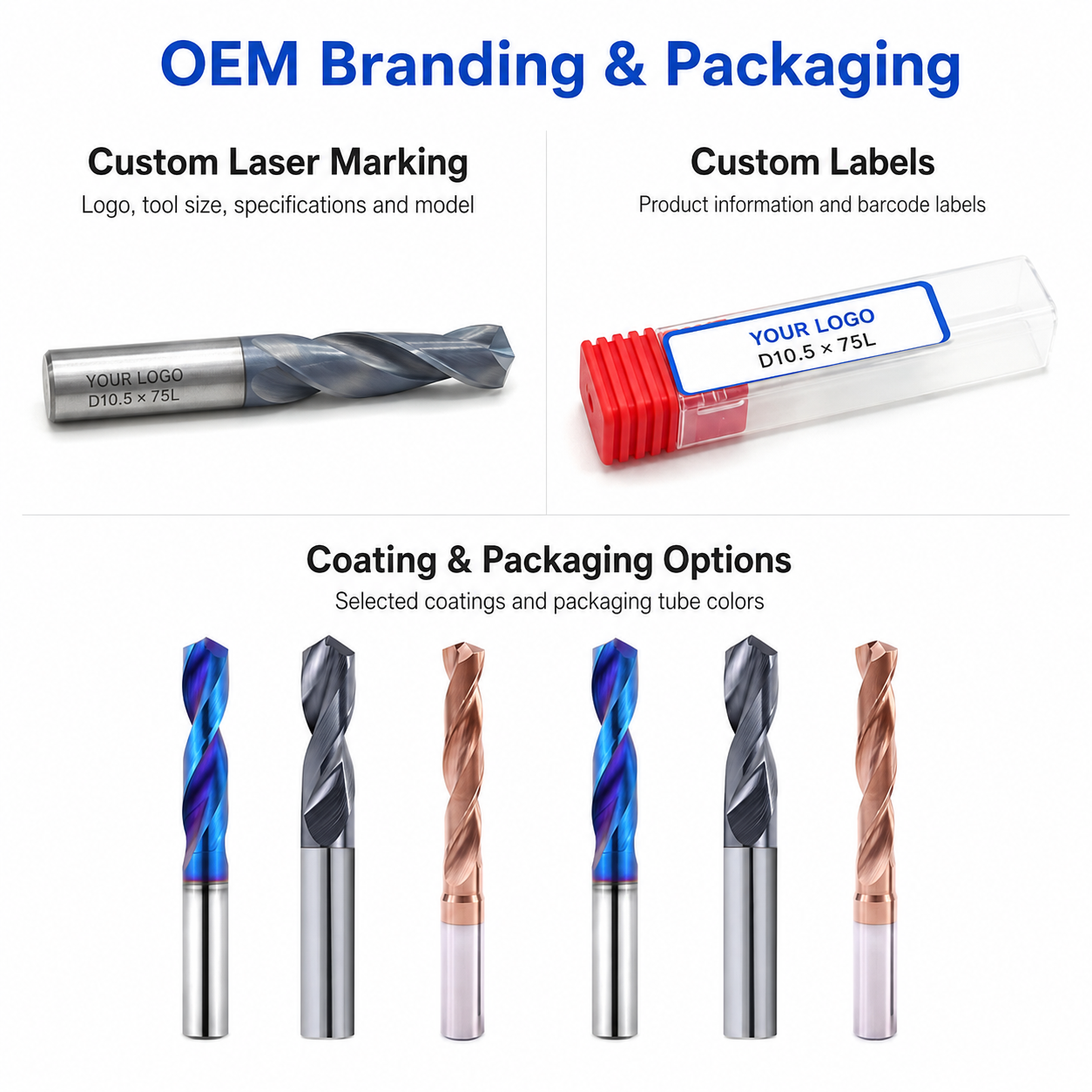
Custom manufacturing and private-label supply for cutting-tool distributors, tooling brands and OEM customers.
180° Flat-Bottom Drill Quality Inspection
Quality checks for 180° flat-bottom carbide drills focus on point geometry, cutting-edge integrity, dimensions and coating condition for counterboring and flat-bottom hole applications.

180° Point Geometry
Flat-bottom profile, corner form and cutting-edge condition are checked against specifications.
Dimensions & Runout
Cutting diameter, tool lengths, shank dimensions and runout are verified as required.
Surface & Coating
Grinding finish, coating appearance and visible edge defects are inspected.
Inspection criteria and dimensional tolerances are confirmed according to the selected configuration and approved drawing.
View Manufacturing & QualityProtective Packaging & Batch Identification
Individual protection, specification labeling and export packaging help protect precision-ground flat-bottom cutting edges during shipment.

Individual Protection
Protective tubes help prevent cutting-edge damage.
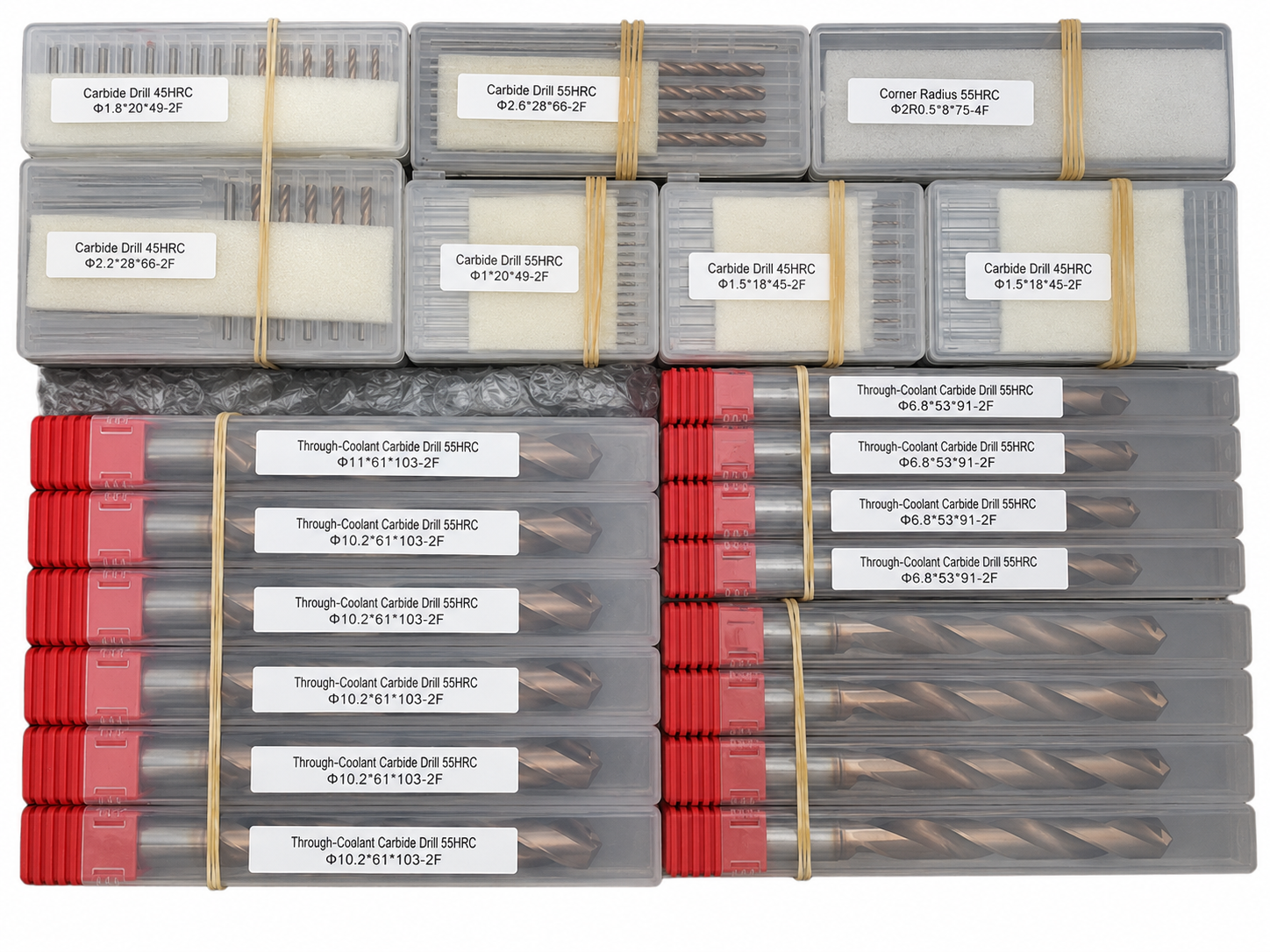
Batch Identification
Models, dimensions and order labels are verified.

Export Protection
Protective cartons are arranged for international delivery.
Custom labels and private-label packaging are available for OEM and distributor orders.
Production Lead Time & Shipping
Production & Lead Time
Standard and custom flat-bottom drills are scheduled according to dimensions, coating and quantity. Lead time is confirmed before production.
International Shipping
Express courier, air freight, sea freight and customer-nominated forwarders are available according to destination and order size.
View Buyer & Reseller Resources
180° Flat-Bottom Carbide Drill FAQs
Technical answers about flat-bottom hole drilling, counterboring, inclined-surface entry, material compatibility and drill selection.
What is a 180° flat-bottom carbide drill used for?
A 180° flat-bottom carbide drill is designed for flat-bottom blind holes and counterboring where conventional twist drills leave a conical hole bottom. Selected spot-facing applications can also be reviewed.
How is a flat-bottom drill different from a twist drill or end mill?
A standard twist drill produces a conical hole bottom. A 180-degree flat-bottom drill is designed for axial drilling with a flatter bottom profile. An end mill is primarily designed for milling and may require a different machining process to produce the same hole feature.
Can this drill be used for counterboring and spot facing?
Yes. Flat-bottom counterboring is a primary application. Selected spot-facing operations can be reviewed according to the cutting geometry, required bottom profile, hole diameter and workpiece conditions.
Can a flat-bottom drill start on an inclined or curved surface?
Selected inclined- or curved-surface entries are possible with suitable cutting geometry and a rigid setup. Confirm the entry angle, cutting-edge engagement and material before machining. Not every 180° drill is suitable for unrestricted inclined entry.
Which materials and coatings are suitable for flat-bottom drilling?
Steel and alloy steel are primary applications. Selected stainless steel, aluminum and copper grades require material-matched geometry and coating. Uncoated, TiAlN, AlTiN and AlCrN configurations can be reviewed according to the application.
What dimensions are needed for a custom flat-bottom drill?
Provide the hole or counterbore diameter, flat-bottom depth, corner profile, tolerance, workpiece material, entry condition and quantity. Include flute length, overall length, shank size and coolant requirements for custom flat-bottom carbide drills.
Custom Flat-Bottom Drill & OEM FAQs
Ordering information for machining companies, cutting-tool distributors and OEM customers.
Do you accept small trial orders for flat-bottom drills?
Yes. Small trial orders can be reviewed to evaluate the flat-bottom hole profile, cutting stability and tool performance before volume purchasing.
Can different counterbore diameters be ordered together?
Yes. Mixed-size orders can include different cutting diameters and lengths, subject to configuration and availability. This supports distributors and projects requiring multiple counterbore sizes.
Is OEM laser marking and private-label packaging available?
Yes. HY supports custom tool marking, model identification, branded labels and private-label carbide drill packaging according to order requirements.
What is the MOQ and lead time for custom flat-bottom drills?
Small-batch custom orders are supported. MOQ and lead time depend on the diameter, bottom geometry, coating and quantity. Final requirements and production schedules are confirmed after drawing review.
Need Sizes, Pricing or Custom Options?
Send your specifications and quantity for a quote.
- Standard Sizes
- Small Trial Orders
- Mixed Sizes
- OEM & Custom
View QR Code – Contact Sales on WeChat

Scan to contact us on WeChat.
Scan to contact us on WeChat.