
Reordering Carbide End Mills: What to Confirm After a Successful Trial
After a successful trial, reference the approved end mill specification, supplier’s model and previous order number on your next purchase order. Include any applicable drawing revision, and ask the supplier to get your approval before making any changes to the approved tool.
The checklist below covers which details to carry forward and what to check when the next delivery arrives.
Table of Contents — Browse article sections
Keep the Approved Tool Specification
Keep one record for each approved specification. For standard solid carbide end mills, include the exact supplier model and the product specification used for approval. For a custom tool, add the approved drawing revision.
Model Codes and Reference Samples
A series name such as “HRC55” leaves some details open. Ask the supplier which material, coating and cutting geometry its model code identifies. Checking the diameter alone will not reveal every difference in helix, flute spacing or edge preparation.
Coating colour can flag an unexpected appearance, but it cannot confirm the coating specification or performance. Check the agreed designation and ask the supplier to explain a difference.
If you keep a reference sample, label and protect it, and store the approved specification with it. Do not use worn cutting edges to establish the original dimensions of a new tool.
Confirm Changes Before Reordering
If the supplier proposes a change, ask what will be different and how it could affect the approved tool. Have the person responsible for approving the tool review it, and record the decision in the order or drawing. Ask the supplier to obtain written approval before applying any later changes to your tools.
Check the Next Delivery
Before ordering, agree which features will be checked, the limits they must meet and how they will be measured. Confirm which records you will receive with the delivery.
For critical features, ask for the measured values alongside the acceptance limits. The record should identify the tools checked and show whether each feature was inspected on every tool or on a sample.
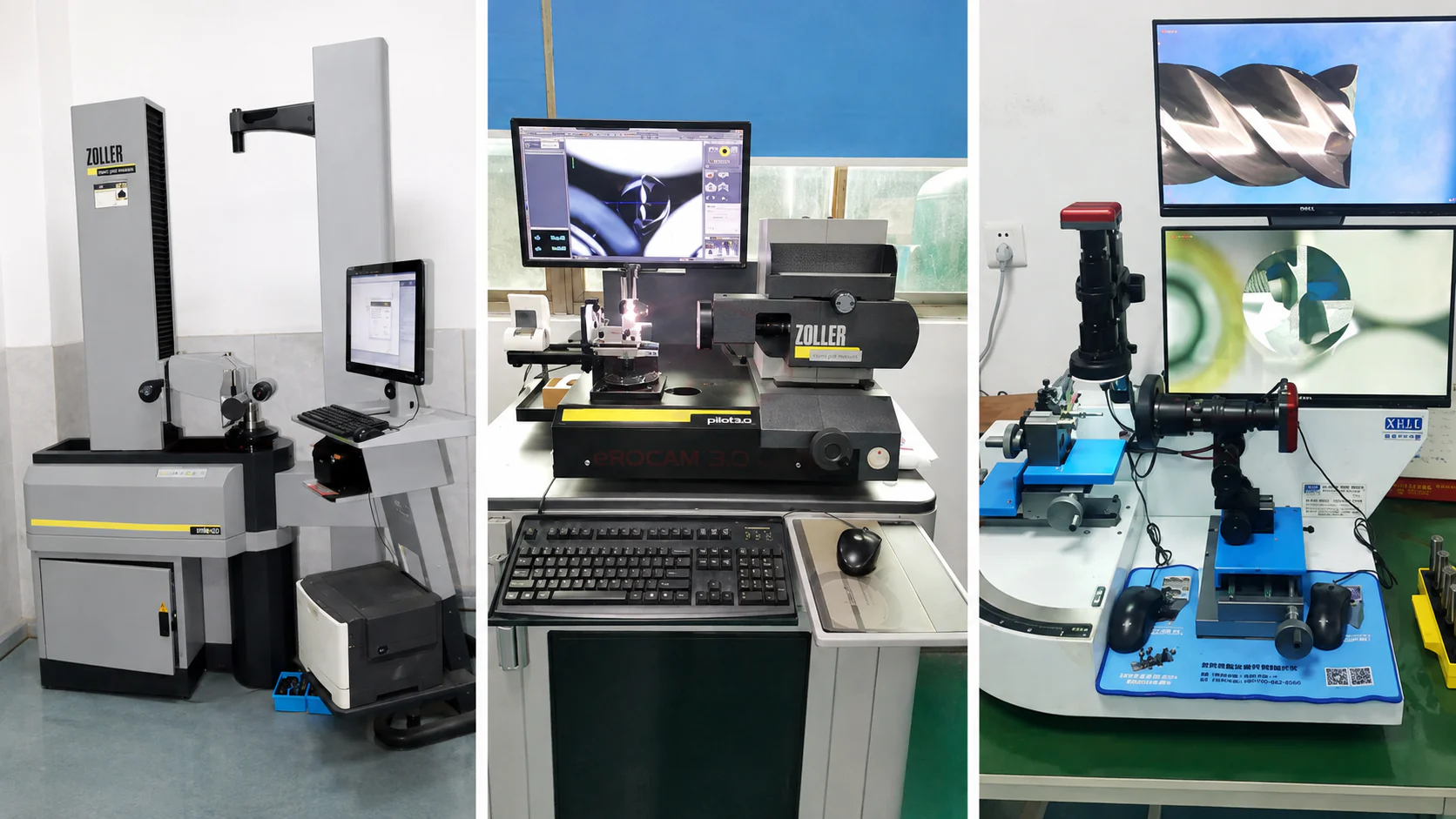
How to Compare Inspection Results
A sampled inspection record needs a clear link to the delivery. Ask which tools were checked and which features the results cover.
The equipment and method must suit the feature and tolerance. Detailed flute or edge checks may need optical measurement. For runout, compare the reference, holding method and measuring position: a reading taken in the customer’s holder and spindle includes the assembly and may differ from a factory tool-inspection result.
A dimensional report does not establish carbide composition or coating chemistry. If you need evidence for either, agree the supporting records before ordering.
If the order uses a lot-acceptance sampling plan, NIST’s introduction to acceptance sampling explains the principle. Agree the plan and acceptance criteria with the supplier.
Our Manufacturing & Quality page explains HY Cutting Tools’ inspection process. Ask which checks and reports are available for your order before confirming it.
Compare Machining Results
Dimensional checks alone do not explain a change in tool life or surface finish. Review the tool records and machining conditions together before deciding whether the cause lies in the tool, the application or both.
- Record the conditions. Include the workpiece grade and condition, operation, cutting data, toolpath, holder, overhang, coolant and chip evacuation.
- Keep each tool’s result. Record acceptable parts or cutting time, with units, and why the tool was changed: a planned stop, wear limit, poor finish, chipping or breakage.
- Review differences together. The operator and supplier can compare the results with the trial record and check whether the tool, material or machining conditions changed.
Decide whether further testing is needed based on the application risk, changes and previous results. Our trial-order guide covers planning the initial evaluation.
Report Differences Clearly
Keep the affected tools separate from usable stock, with their labels and packaging, while the supplier investigates. Describe what differed and send the records that allow it to be compared with the approved tool.
Keep the findings and agreed action with the order. If a revised tool is approved, update the specification used for the next purchase.
Carbide End Mill Repeat Orders: Checklist
- Tool reference: include the supplier’s model, your item code, the approved specification or drawing version and the previous order.
- Quantity: list the pieces required for each size or variant.
- Changes: identify proposed tool changes and any change to the customer’s application.
- Inspection: confirm what will be checked, how many tools the checks cover and which records you need.
- Delivery: reconfirm marking, packaging, price, availability and dispatch date.
Copy a Repeat-Order Message
Replace the bracketed fields with your order details before sending.
Please quote [quantity] pieces of [supplier model / our item code] to the approved [specification or drawing revision]. The previous order reference is [reference].
Please let us know about any proposed material, coating or geometry changes before we confirm the order. The application is [unchanged / described in the attached update].
Please include [agreed inspection records] and use the approved [marking and packaging files]. Could you confirm the price, availability and dispatch date?
Buyer FAQ
What details do you need for a repeat order?
How does HY Cutting Tools keep repeat orders consistent?
Can you send inspection records with the next order?
Does every repeat batch need another machining trial?
What if the next batch performs differently from the trial tools?
Keep the affected tools and labels, and send the specification, affected quantity, photos or videos and available batch information. For machining issues, include the workpiece material and hardness, speed, feed, cutting depth, coolant conditions and the result observed.
HY Cutting Tools reviews the tools, records and machining conditions. If the issue is confirmed to be related to the supplied tools, we discuss a suitable solution, such as replacement, remake or another agreed arrangement.
Related Buying Guides

Cutting Tool Trial Orders
Plan the initial test before buying in bulk.

Choose an OEM Cutting Tool Manufacturer
Review manufacturing scope, inspection and supply support.
Send Your Repeat-Order Details
Send HY Cutting Tools your approved tool specification, previous order reference and reorder quantities for review. Include any application changes and required inspection records.