
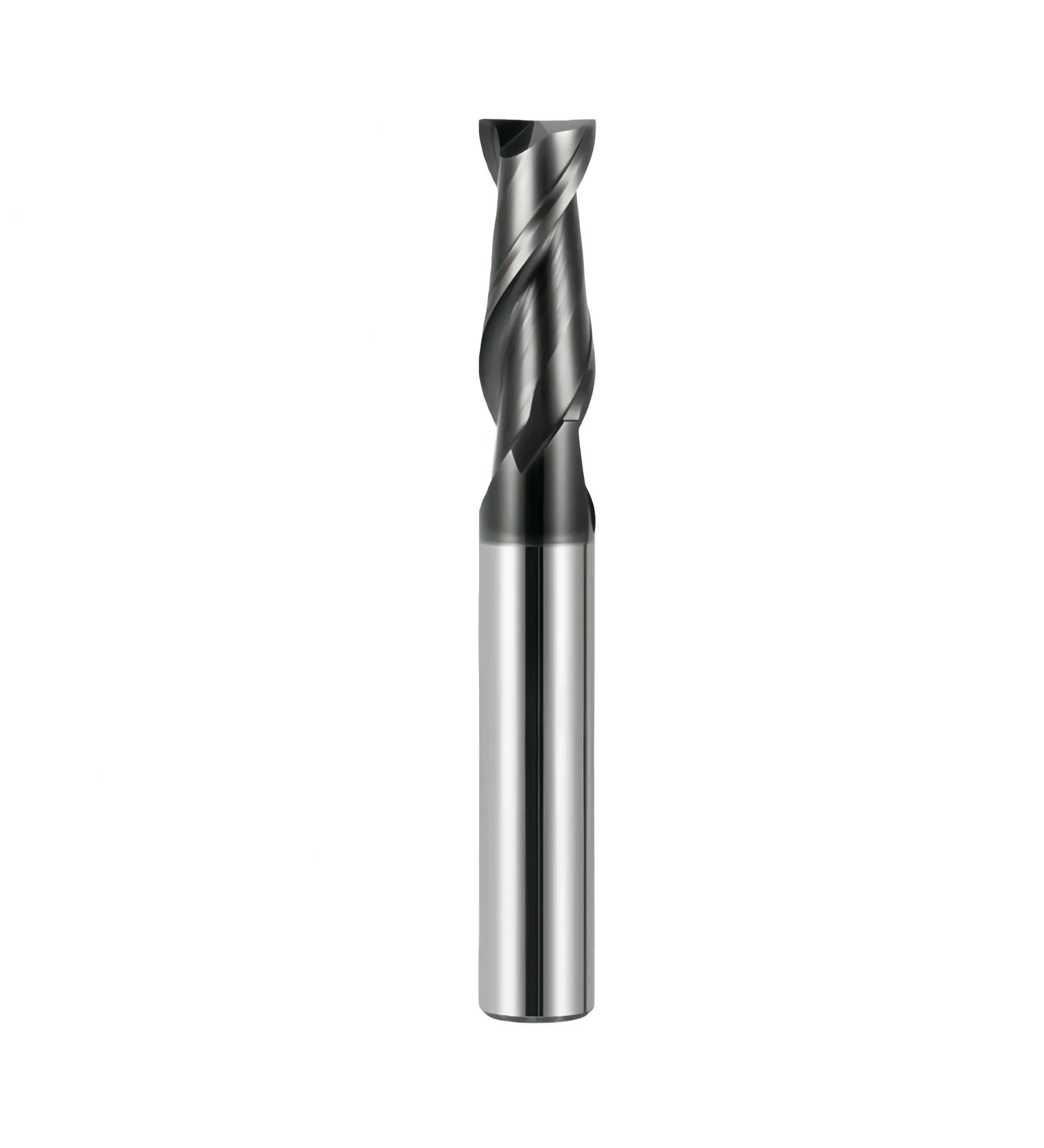

HRC55، مثقاب نهائي مربع ذو شفرتين من الكربيد الصلب بمقاس بوصة، مخصص للفولاذ وسبائك الفولاذ
This inch-size 2-flute solid carbide square end mill provides stable cutting, efficient chip evacuation, reliable wear resistance, and smooth surface finishes for HRC55 steel machining.
⚙️ تكوينات المنتج ⚙️
*Tool Material: Micro-grain solid carbide
*عدد الناي 2 مزمار
*End Type: Square end
*نطاق القطر: Standard inch sizes / custom diameters available
*Shank Size: Inch-size straight shank / custom shank diameter
*الطول الإجمالي: Standard / long-reach options
*الزاوية الحلزونية: Standard helix optimized for steel machining
*خيارات الطلاء: غير مطلية / TiAlN / AlTiAlN
*مواد التقديم: Carbon steel / alloy steel / pre-hardened steel
*نوع التصنيع: Slotting / side milling / profiling / finishing
جودة متسقة
Consistent geometry across repeat orders.
الطلبات المرنة
Small batches and mixed sizes available.
OEM Support
Custom marking, labels and packaging.
قياسي ومخصص
Standard sizes and custom configurations.
نظرة عامة على المنتج
إن HRC55 2-Flute Solid Carbide Inch-Size Square End Mill is designed for CNC milling of carbon steel, alloy steel, mold steel, and suitable pre-hardened or hardened steels up to approximately HRC55. The HRC55 designation describes the intended workpiece-hardness range; it is not the hardness rating of the solid carbide substrate.
Its two-flute geometry provides generous chip space and fewer simultaneously engaged cutting edges than a typical four-flute steel end mill. This makes it a practical option for slotting, pocket entry, smaller inch diameters, and applications where chip evacuation or cutting-load control is a priority. The square end produces flat floors, straight shoulders, and defined 90-degree features.

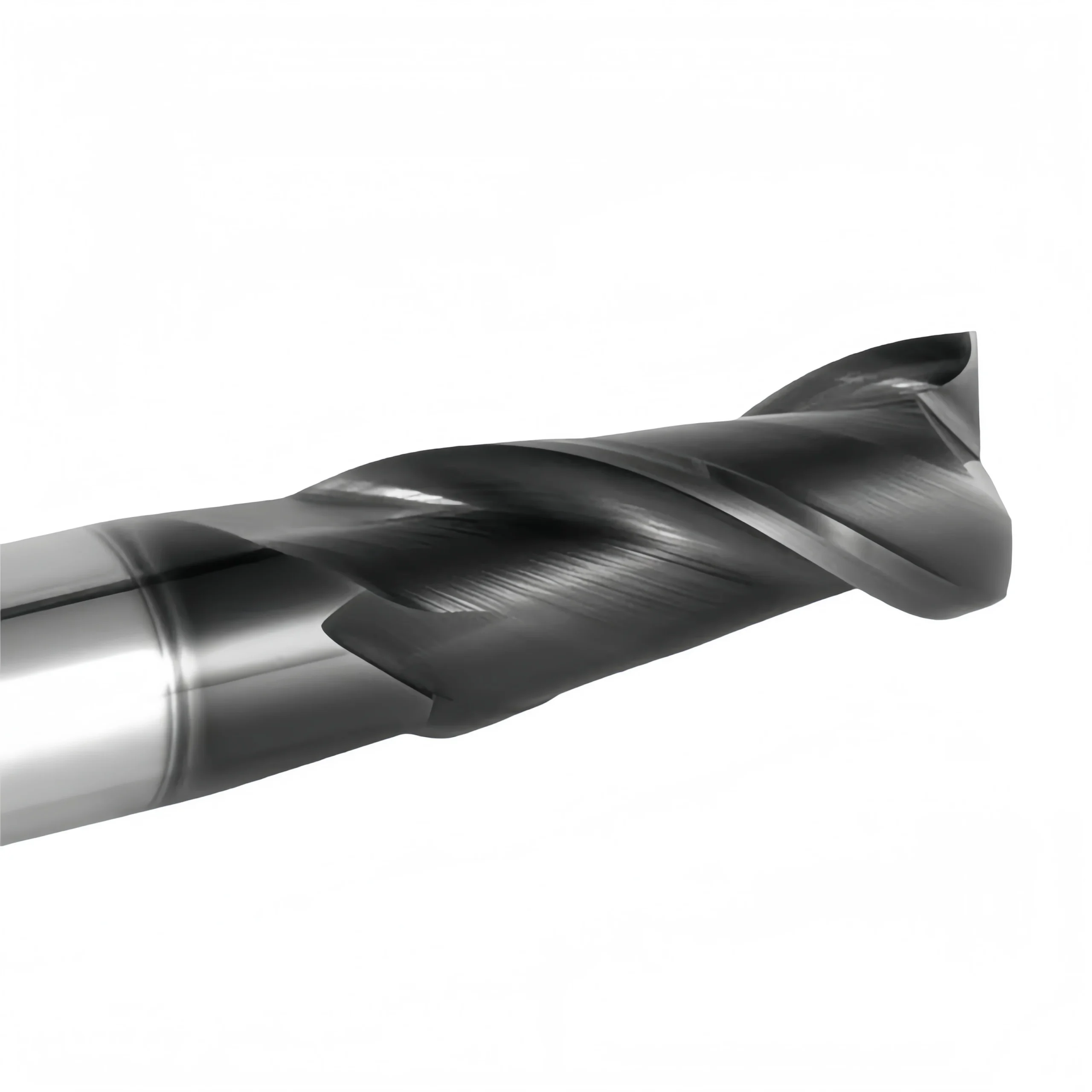
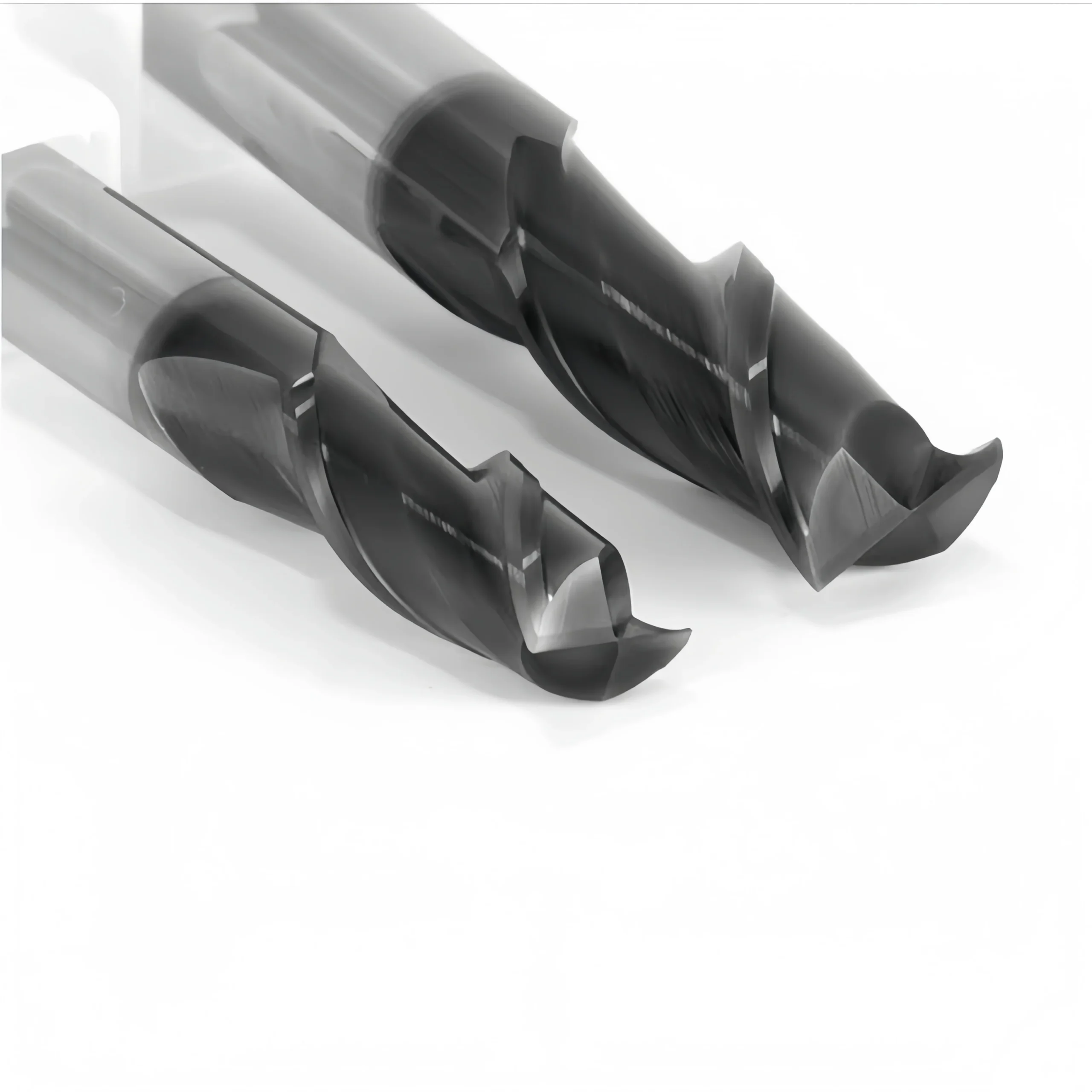
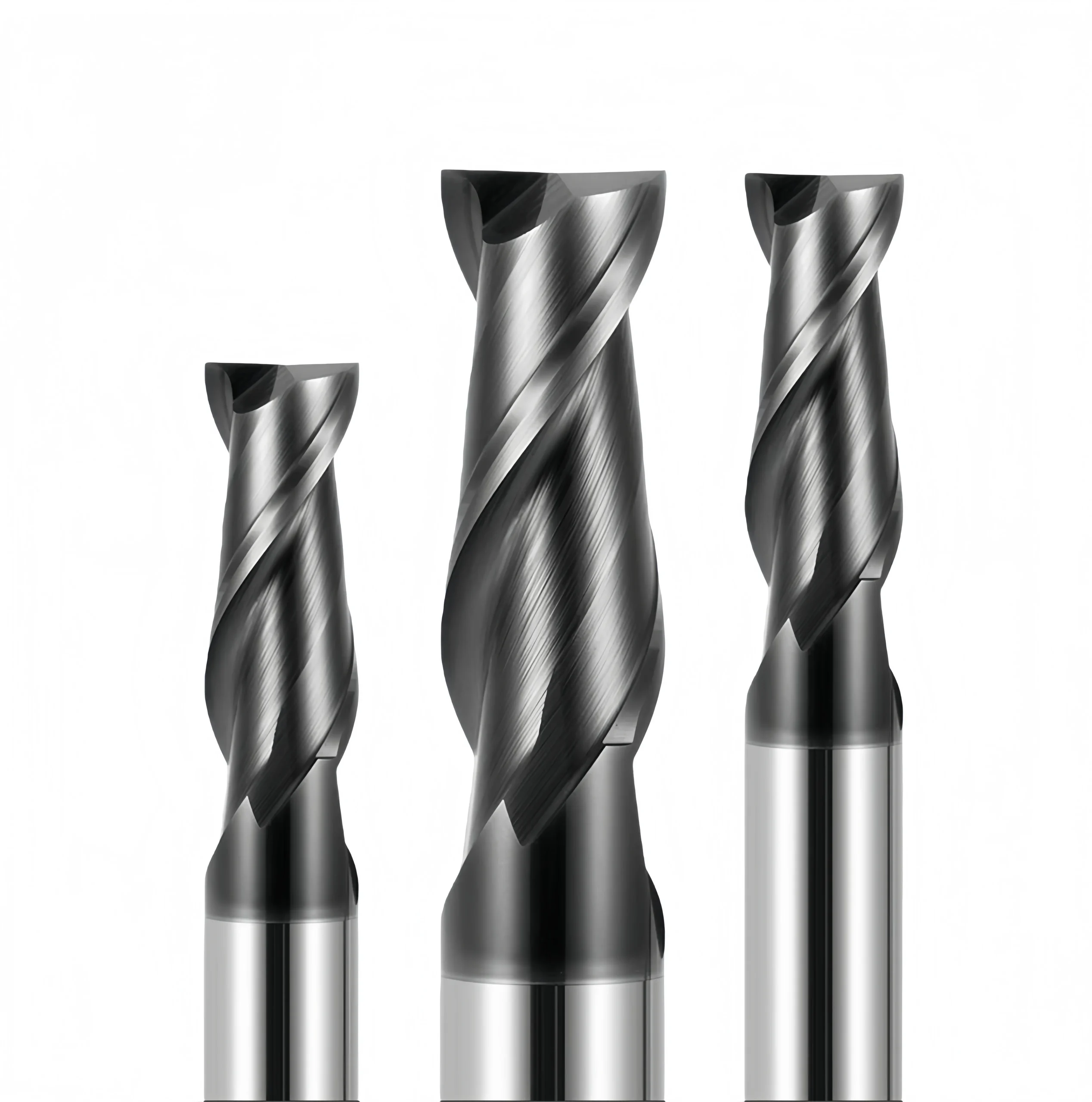
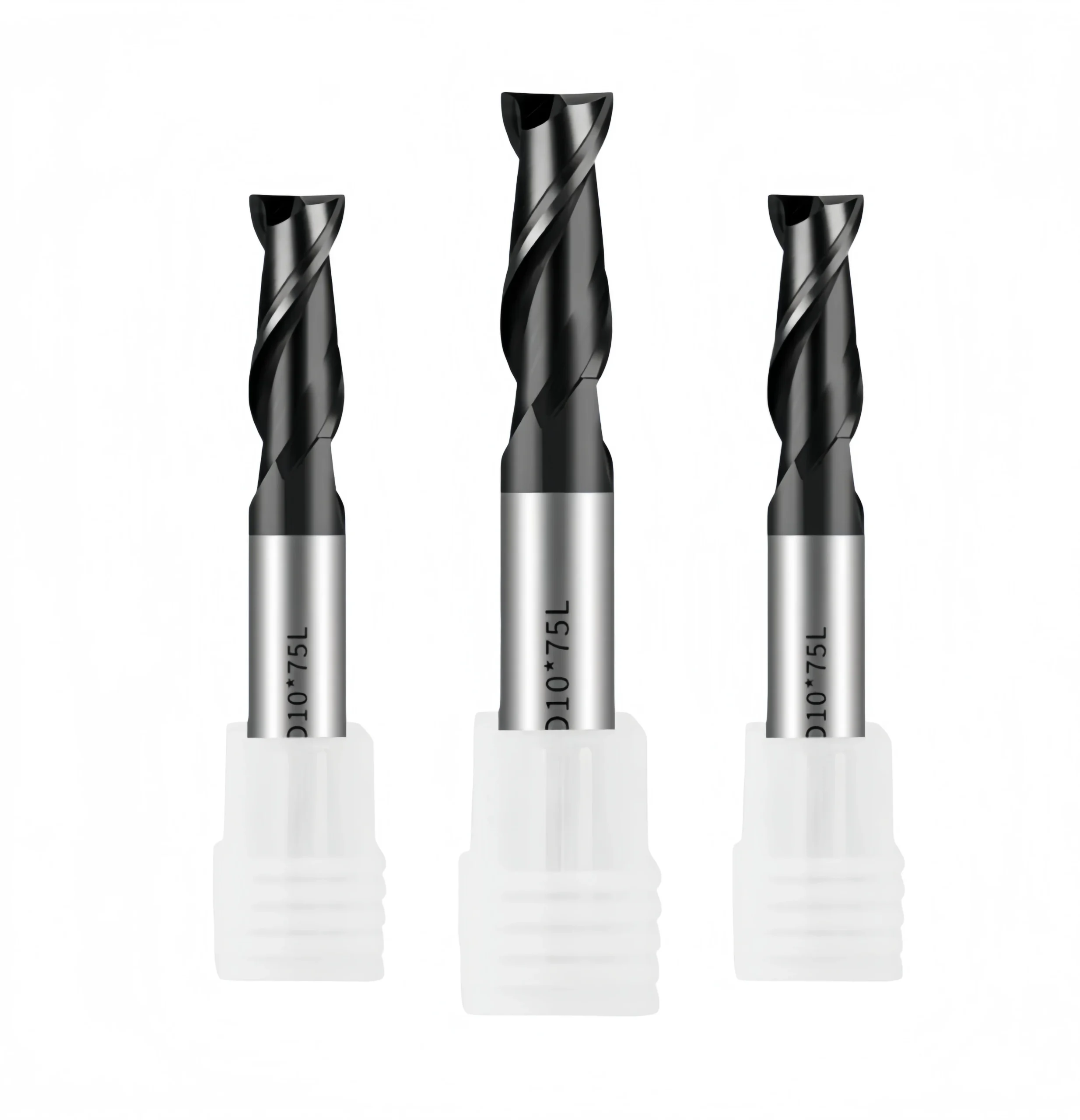
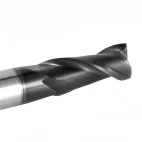
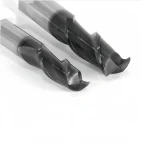
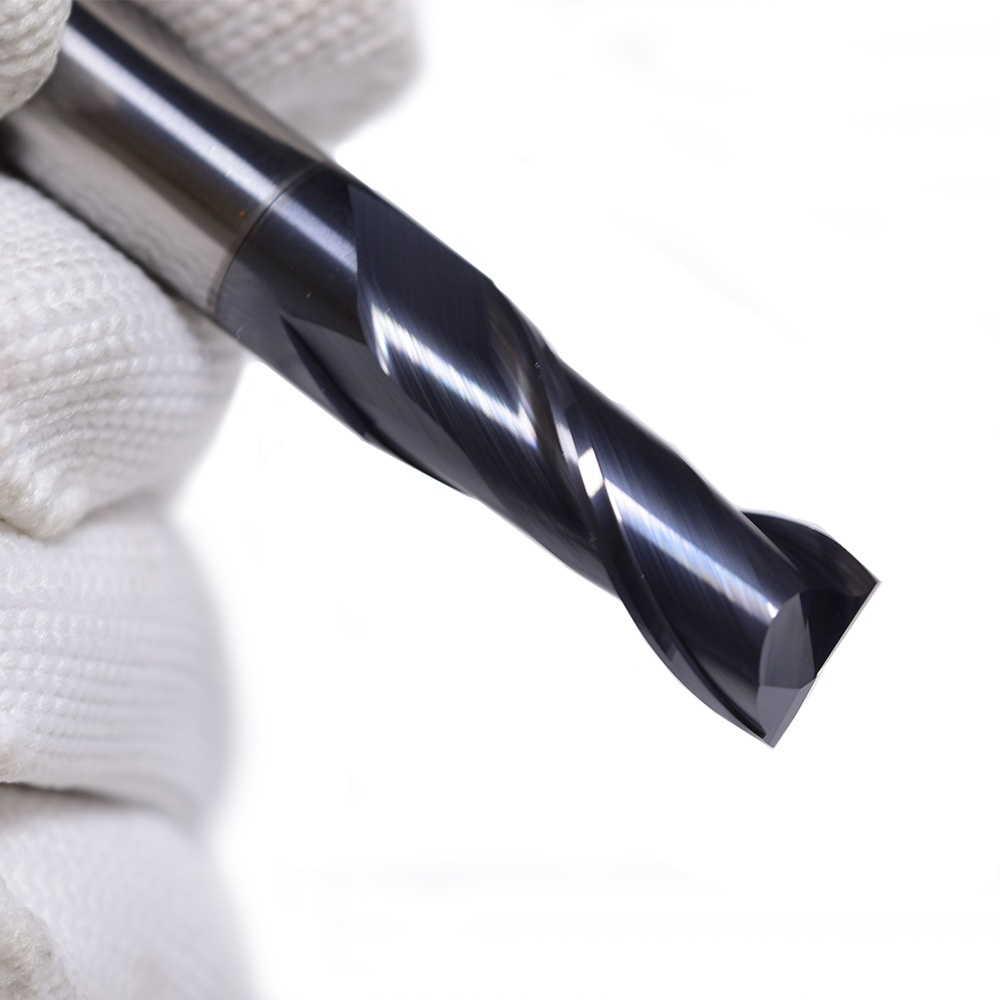
The two-flute cutting end and open flute form are shown clearly. The final coating type, edge preparation, and dimensional combination should be confirmed for the selected steel grade and operation.
Why a 2-Flute Tool for Steel?
Two flutes are not the default choice for every steel operation. They are most useful when flute space, chip removal, lower simultaneous edge engagement, or smaller tool size matters more than maximizing the number of cutting edges.
More Chip Space
Two large flute valleys give chips more room to leave the cut, which can be useful in full-width slots and pockets where chips are difficult to clear.
Fewer Engaged Edges
Fewer cutting edges engage the workpiece per revolution than on a 4-flute tool. This may help control cutting load when the feed is programmed from the correct chip load per tooth.
Useful for Small Diameters
A two-flute layout provides more space between edges, making it a practical geometry for small inch diameters and detail work where chip packing is a concern.
| Selection Point | 2-Flute Tool | 4-Flute Tool |
|---|---|---|
| Flute space | Larger | Smaller |
| Edges engaged per revolution | Fewer | More |
| Typical priority | Slotting, chip clearance, smaller tools | Side milling, finishing, higher edge count |
| Programming reminder | Feed must reflect two teeth | Feed must reflect four teeth |
Understanding the HRC55 Application Range
General & Alloy Steels
Suitable for confirmed carbon steels and alloy steels. Engagement and chip control should still be matched to the material condition and operation.
Pre-Hardened & Mold Steels
Use a suitable steel-machining coating, low runout, controlled radial engagement, and conservative entry conditions as the workpiece approaches HRC55.
Use a Higher-Hardness Series
Do not treat this as the standard choice for workpieces above the stated range. Select a geometry and coating specifically rated for the higher hardness.
Cutting Geometry & Features
Square Cutting End
Produces flat-bottom features, straight shoulders, slots, and defined internal floor-to-wall transitions.
Open Two-Flute Form
Provides more chip space than a four-flute geometry of similar diameter and supports chip removal during slotting.
Solid Carbide Rigidity
The solid carbide body provides rigidity and dimensional stability when used with a precise holder and minimal overhang.
Imperial Tooling Compatibility
Inch-based cutter and shank dimensions support imperial drawings, machine-tool libraries, collets, and replacement-tool programs.
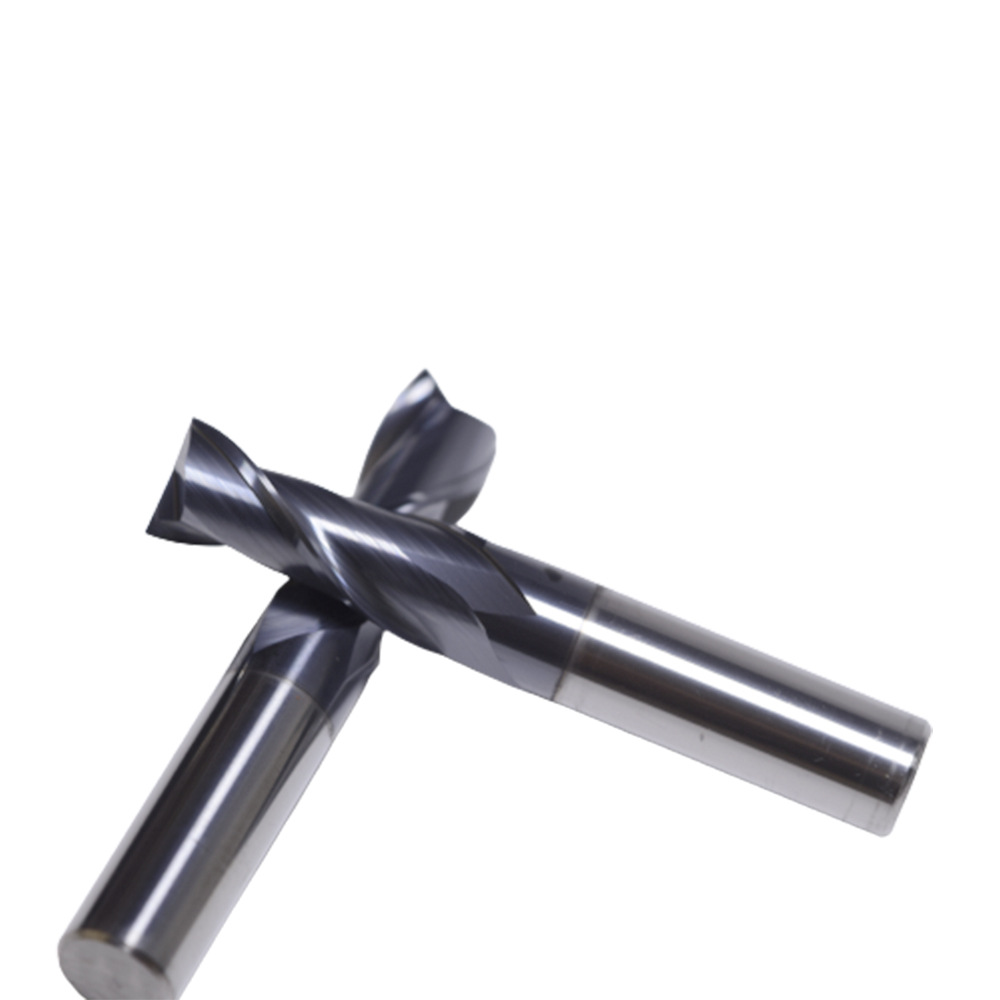
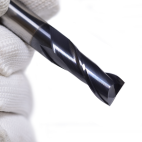
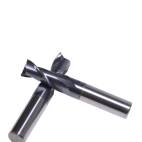
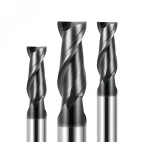
Two-flute tool bodies with coated cutting areas and precision-ground square ends.
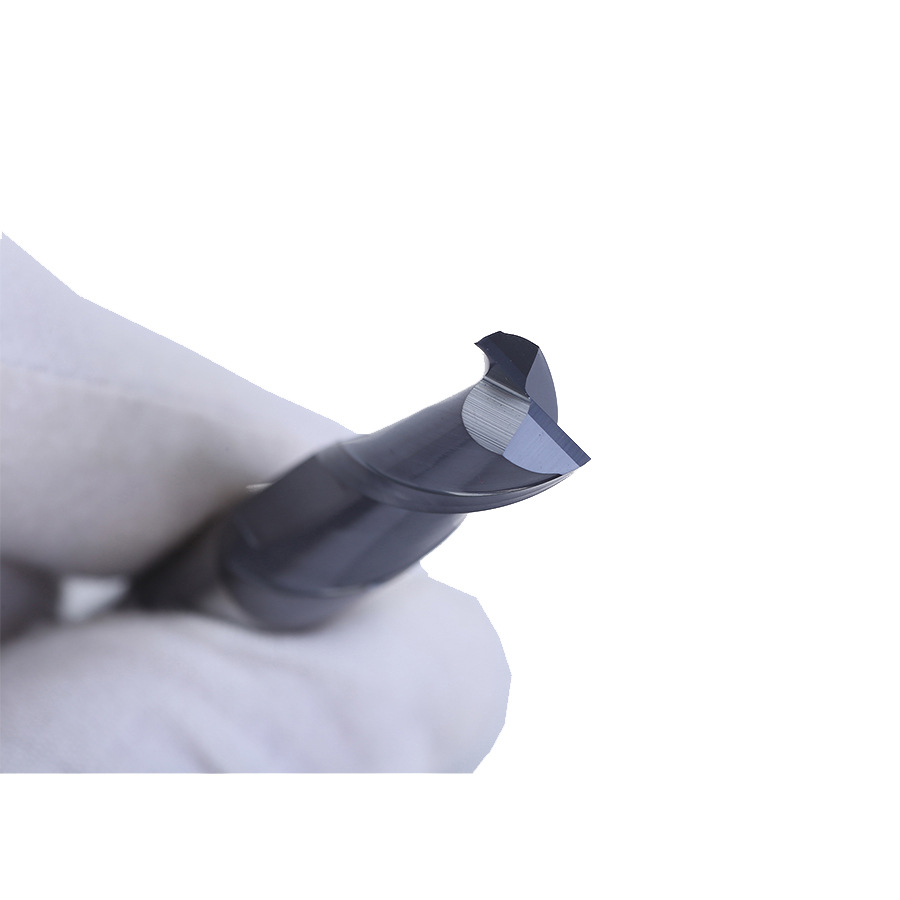
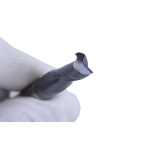
End-face detail showing the two cutting edges and open flute space. Confirm center-cutting capability before programming a vertical plunge.
Recommended Milling Operations
Reference Inch Sizes & Dimensions
The combinations below come from the related 4-flute inch series and are provided only as dimensional references. This page describes a 2-flute product; confirm the actual 2-flute size, coating, edge geometry, and availability before ordering.
| Reference Model (4-Flute) | D | LOC | Shank d | OAL |
|---|---|---|---|---|
| 1/64 × 3/64 × 1/8 × 1-1/2 × 4F | 1/64 | 3/64 | 1/8 | 1-1/2 |
| 1/32 × 3/32 × 1/8 × 1-1/2 × 4F | 1/32 | 3/32 | 1/8 | 1-1/2 |
| 3/64 × 9/64 × 1/8 × 1-1/2 × 4F | 3/64 | 9/64 | 1/8 | 1-1/2 |
| 1/16 × 3/16 × 1/8 × 1-1/2 × 4F | 1/16 | 3/16 | 1/8 | 1-1/2 |
| 5/64 × 3/16 × 1/8 × 1-1/2 × 4F | 5/64 | 3/16 | 1/8 | 1-1/2 |
| 3/32 × 9/32 × 1/8 × 1-1/2 × 4F | 3/32 | 9/32 | 1/8 | 1-1/2 |
| 7/64 × 3/8 × 1/8 × 1-1/2 × 4F | 7/64 | 3/8 | 1/8 | 1-1/2 |
| 1/8 × 3/8 × 1/8 × 1-1/2 × 4F | 1/8 | 3/8 | 1/8 | 1-1/2 |
| 5/32 × 15/32 × 3/16 × 2 × 4F | 5/32 | 15/32 | 3/16 | 2 |
| 3/16 × 5/8 × 3/16 × 2 × 4F | 3/16 | 5/8 | 3/16 | 2 |
| 13/64 × 5/8 × 1/4 × 2-1/2 × 4F | 13/64 | 5/8 | 1/4 | 2-1/2 |
| 1/4 × 3/4 × 1/4 × 2-1/2 × 4F | 1/4 | 3/4 | 1/4 | 2-1/2 |
| 5/16 × 15/16 × 5/16 × 2-1/2 × 4F | 5/16 | 15/16 | 5/16 | 2-1/2 |
| 3/8 × 1 × 3/8 × 2-1/2 × 4F | 3/8 | 1 | 3/8 | 2-1/2 |
| 1/2 × 1-1/2 × 1/2 × 3 × 4F | 1/2 | 1-1/2 | 1/2 | 3 |
| 5/8 × 1-3/4 × 5/8 × 4 × 4F | 5/8 | 1-3/4 | 5/8 | 4 |
| 3/4 × 2-3/8 × 3/4 × 5 × 4F | 3/4 | 2-3/8 | 3/4 | 5 |
| 7/8 × 2-5/8 × 7/8 × 5 × 4F | 7/8 | 2-5/8 | 7/8 | 5 |
Setup Guidance for Steel Milling
Related Steel Milling Tools & Guides
Metric HRC55 2-Flute Square End Mill
Use when the part drawing, holder, and tool library are based on metric dimensions.
HRC55 4-Flute End Mill for Steel
Consider four flutes when side milling, finishing, and greater cutting-edge engagement are the main priorities.
Solid Carbide Square End Mills
Compare square-end options for different hardness ranges, flute counts, lengths, and machining priorities.
End Mill Selection & CNC Machining Guide
Review flute count, tool material, coating selection, wear causes, and practical machining considerations.
Confirm the Right Inch-Size Tool for Your Steel Application
Send the workpiece grade and hardness, operation, cutting diameter, length of cut, shank diameter, overall length, holder type, machine details, and expected quantity. We can review the 2-flute configuration and suitable coating before quotation.
Need Sizes, Pricing or Custom Options?
Send us the required tool type, sizes, quantities, workpiece material and any OEM or custom requirements. We will confirm suitable specifications, availability, lead time and quotation details.
Drawings, size lists and reference photos are welcome.